When it’s time to build or replace your driveway, the big debate often comes down to concrete driveway vs asphalt. Both options are popular across the U.S., but which one makes the most sense for your budget, climate, and long-term plans? In this detailed guide, we’ll break down the pros, cons, costs, and maintenance needs of asphalt and concrete driveways so you can make a confident choice for your home.
Concrete Driveway vs Asphalt | Understanding the Key Basics
At first glance, concrete and asphalt driveways look similar — they’re both solid, durable surfaces that handle vehicle traffic well. However, when you look closer, you’ll see key differences that affect everything from driveway cost to long-term driveway maintenance.
Concrete driveways are made from a mixture of cement, sand, gravel, and water. Once poured and cured, they create a smooth, light-colored surface that can last decades with proper care.
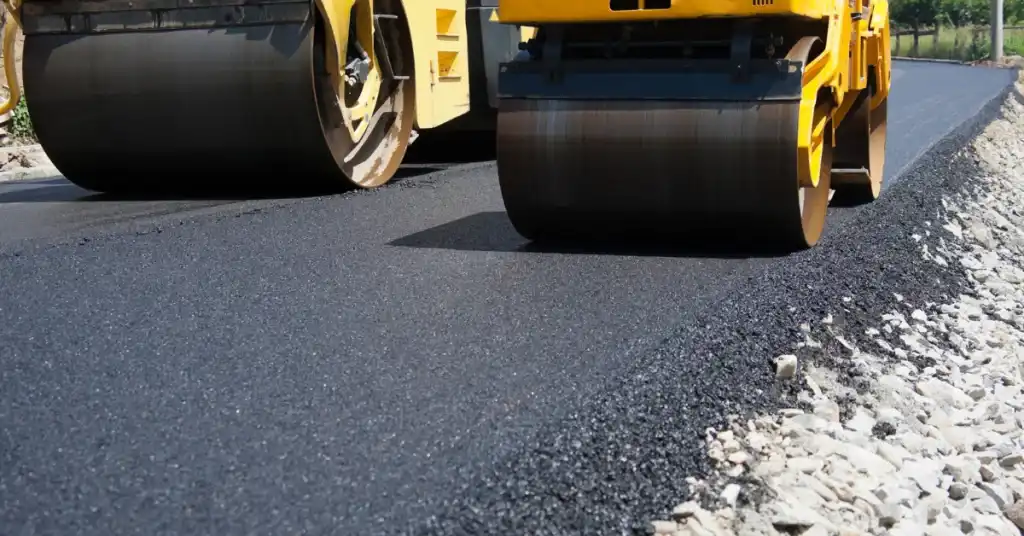
Asphalt driveways, on the other hand, use a blend of aggregate (like gravel) and bitumen (a sticky, black petroleum product). The result is the dark, flexible surface commonly seen on roads and parking lots.
Durability and Lifespan
Lifespan is another major factor when comparing a concrete driveway vs asphalt.
Concrete Driveway vs Asphalt: Lifespan: With good installation and upkeep, a concrete driveway can serve you well for 30 to 40 years or more.
Asphalt Driveway Lifespan: Asphalt generally lasts about 15–25 years, depending on climate and care.
Driveway durability depends on factors like weather, drainage, soil conditions, and how well you maintain the surface.
Maintenance Needs: What to Expect
Both surfaces need some level of care to stay in good shape, but the type and frequency of driveway maintenance varies.
Asphalt Driveway Maintenance: Asphalt should be sealed every 3–5 years to protect it from water, UV rays, and cracks. It’s important to repair small cracks quickly so they don’t develop into bigger potholes.
Concrete Driveway Maintenance: Concrete requires less routine upkeep, but cracks can be harder to repair and may require professional help. Avoid de-icing chemicals in winter, as they can damage the surface.

Installation Process
The installation timeline might also influence your choice when deciding between a concrete driveway vs asphalt.
Asphalt installation is generally faster. It can often be driven on within a few days of paving.
Concrete paving takes longer to cure — you’ll need to wait about a week before using it, and up to a month for the surface to reach full strength.
Climate Considerations
Your local climate plays a big role in choosing between a concrete driveway vs asphalt.
Cold Climates: Asphalt is better suited for freezing temperatures because it can expand and contract more easily than concrete.
Hot Climates: Concrete stays cooler in extreme heat and holds up better under high temperatures. Very hot weather can cause asphalt to soften and feel sticky underfoot.
Appearance and Curb Appeal
When it comes to looks, concrete tends to offer more design flexibility. You can stamp, stain, or tint a concrete driveway for a custom look. Asphalt is more limited — most homeowners stick with the classic blacktop finish.
However, fresh asphalt has a sleek, clean appearance that works well for many modern homes.
Concrete Driveway vs Asphalt: Eco-Friendly Options
Sustainability matters for many homeowners. When comparing concrete driveway vs asphalt, both have pros and cons.
Asphalt: It can be recycled, allowing old surfaces to be repurposed for fresh paving work.
Concrete: Concrete production emits CO₂, but it reflects more sunlight (higher albedo) than asphalt, which can help reduce urban heat.
Permeable or porous options are available for both, helping with drainage and reducing runoff.

Resale Value and Long-Term Investment
Keeping your driveway in good condition enhances both curb appeal and home value. Homebuyers typically value concrete for its durability and minimal maintenance needs. However, a freshly sealed asphalt driveway can also boost your home’s appearance and value.
FAQs
What is the difference between a concrete driveway and an asphalt driveway?
Concrete driveways are made of cement, sand, gravel, and water, offering a smooth, durable surface with long lifespan. Asphalt driveways use a mix of aggregate and bitumen, creating a flexible, dark surface suitable for colder climates.Which driveway material lasts longer, concrete or asphalt?
Concrete driveways typically last 30–40 years with proper care, while asphalt driveways usually last 15–25 years depending on climate and maintenance.What are the maintenance requirements for concrete and asphalt driveways?
Asphalt should be sealed every 3–5 years and cracks repaired promptly, while concrete requires less routine maintenance but cracks can be harder to fix and may require professional repair.How does climate affect the choice between concrete and asphalt driveways?
Asphalt performs better in cold climates due to its flexibility, whereas concrete is more suitable for hot climates as it stays cooler and withstands high temperatures.Which driveway material offers better design options and curb appeal?
Concrete provides more design flexibility, allowing stamping, staining, or tinting for a customized look. Asphalt has a classic black finish but can give a sleek, modern appearance when freshly paved.
Final Thoughts: Which Should You Choose?
Deciding between a concrete driveway vs asphalt ultimately comes down to your budget, climate, style preferences, and how much time you’re willing to spend on driveway maintenance.
Choose Asphalt If:
- You need a budget-friendly option.
- You live in a cold region with frequent freeze-thaw cycles.
- You’re okay with routine sealing and minor repairs.
Choose Concrete If:
- You want a long-lasting driveway with minimal maintenance.
- You prefer design flexibility for colors and patterns.
- You live in a warm climate and want a cooler surface.
Before making your final decision, get quotes from local paving contractors and compare warranties, materials, and installation methods. A driveway is an investment — choose wisely so you can enjoy a safe, smooth surface for decades to come.
Ready to Upgrade Your Driveway?
Whether you go with concrete paving or asphalt installation, a well-installed driveway boosts your home’s curb appeal and value. Take time to weigh your options, consult local experts, and pick the surface that suits your needs best.