A new concrete driveway adds beauty and value to any home. But after a few months, some homeowners notice small holes or rough patches forming on the surface. These spots are signs of new concrete driveway pitting, a common issue that weakens the surface and ruins the smooth finish. When this problem appears early, it can make your driveway look old and neglected. Understanding what causes it, how to fix it, and ways to stop it from happening again will save you time and money.
What Causes Pitting in a New Concrete Driveway
There are many reasons why new concrete driveway pitting starts to appear. One main cause is using too much water during the concrete mix, which makes the surface weak. When heavy vehicles or weather changes stress the surface, small holes begin forming. Freezing and thawing cycles can also cause concrete to expand and contract, leading to pitting. Another factor is poor finishing or curing methods used during installation. Chemicals, salts, and harsh cleaning agents can make the top layer wear away faster. Once that layer breaks down, pits form easily. Using low-quality materials or not sealing the surface properly can also make the problem worse.
Common Signs That Your Driveway Is Pitting
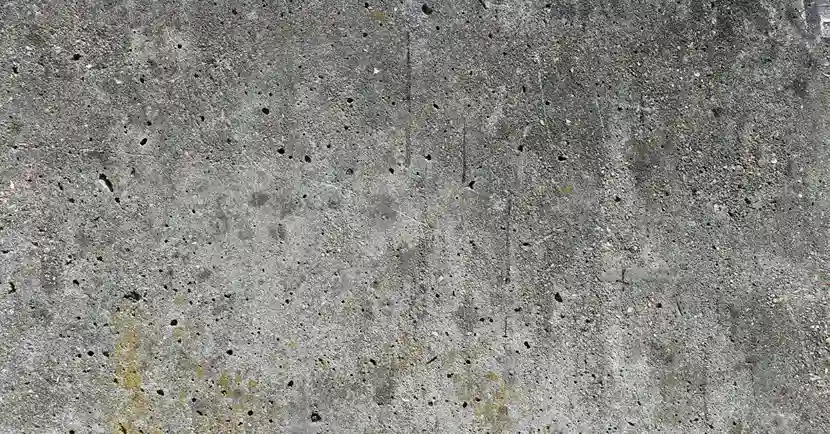
You can easily notice concrete driveway pitting when small, round holes appear across the surface. These holes may start small but gradually grow deeper and wider over time. The once-smooth driveway turns rough and uneven. Sometimes, water collects inside the pits after rain, making the surface slippery and unattractive. This pitting usually begins near the edges or in the middle where cars are parked often. If left untreated, it can lead to cracks and structural damage. Regular inspection helps you identify early signs before the problem becomes serious. Always act quickly when you first notice these changes to prevent costly repairs later.
Effective Ways to Fix Pitting Problems
You can fix pitted concrete driveway surfaces in several ways depending on the damage level. For minor pits, use a patching compound or concrete resurfacer to restore the surface. Clean the area well before applying any product so it bonds properly. For deeper pits, resurfacing is the best choice. A new layer of concrete or polymer mix gives your driveway a smooth, fresh look again. If you’re unsure how to handle it, call professionals who can guide you through the process. When maintained properly, these repairs can stop future concrete driveway pitting and extend the driveway’s life.
How to Prevent Future Pitting Problems
Prevention is better than repair when dealing with new concrete driveway pitting. The best way to stop it is by ensuring your concrete is mixed correctly with the right amount of water and cement. After installation, seal the driveway using a quality concrete sealer to protect it from moisture, chemicals, and weather. During winter, avoid using salt-based deicers, as they eat away at the concrete’s surface. Instead, use sand or other safe materials for traction. Clean your driveway regularly to prevent buildup of dirt and oil that can weaken it. For expert installation and maintenance, trust quality you can stand on: Mouton Concrete Services!
Best Methods to Repair a Pitted Concrete Driveway
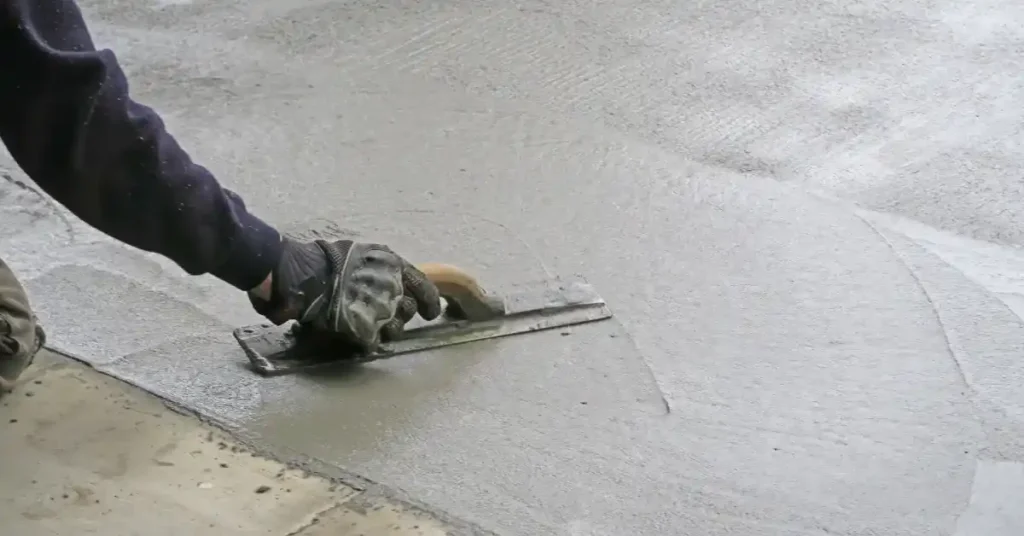
If your new concrete driveway pitting becomes worse, professional help is worth it. To repair pitted concrete driveway, professionals usually clean the surface, fill in the pits with patching compounds, and then resurface the area. This process smooths the surface and strengthens it against future damage. Always ensure proper curing time before using the driveway again. Once repaired, seal the surface to add extra protection. Regular maintenance checks and timely sealing can help prevent pitting from coming back. The right materials and workmanship make a big difference in keeping your driveway looking like new.
Professional vs DIY Pitted Driveway Repairs
Choosing between professional and DIY repair depends on the level of damage. For small areas, a pitted concrete driveway repair kit works fine. It’s easy to use and budget-friendly. However, if large areas of new concrete driveway pitting appear, hiring experts ensures longer-lasting results. Professionals use high-grade materials that resist moisture and weather better. They also apply the correct curing methods, which most DIY repairs can’t match. Investing in professional work saves money over time by preventing repeat repairs. Properly done resurfacing will keep your driveway smooth, safe, and attractive for many years to come.
FAQs
Q1. Why does my new driveway develop pits so quickly?
Ans. Pitting usually occurs from poor concrete mixing, excess water, or harsh weather exposure.
Q2. Can I repair the pitting myself at home?
Ans. Yes, small pits can be filled using DIY repair kits, but deep pitting requires professional work.
Q3. How often should I seal my driveway to prevent pitting?
Ans. It’s best to seal your driveway every two to three years for better protection.
Q4. What’s the most effective way to prevent future pitting?
Ans. Avoid salt deicers, use quality materials, and reseal your driveway regularly.
Q5. How long do professional repairs for driveway pitting last?
Ans. A professional resurfaced driveway can last up to 15 years with proper care.
Conclusion
New concrete driveway pitting can make your fresh driveway look old and weak in no time. By learning the causes, applying effective repair methods, and using good maintenance habits, you can easily prevent this issue. Whether you repair pitted concrete driveway areas yourself or hire professionals, the key is early action and regular care. Keep your driveway sealed, clean, and protected from harsh chemicals. When maintained properly, your driveway will stay smooth, strong, and beautiful for many years. Invest a little time today to save costly repairs tomorrow and enjoy a perfect, pit-free driveway for life.