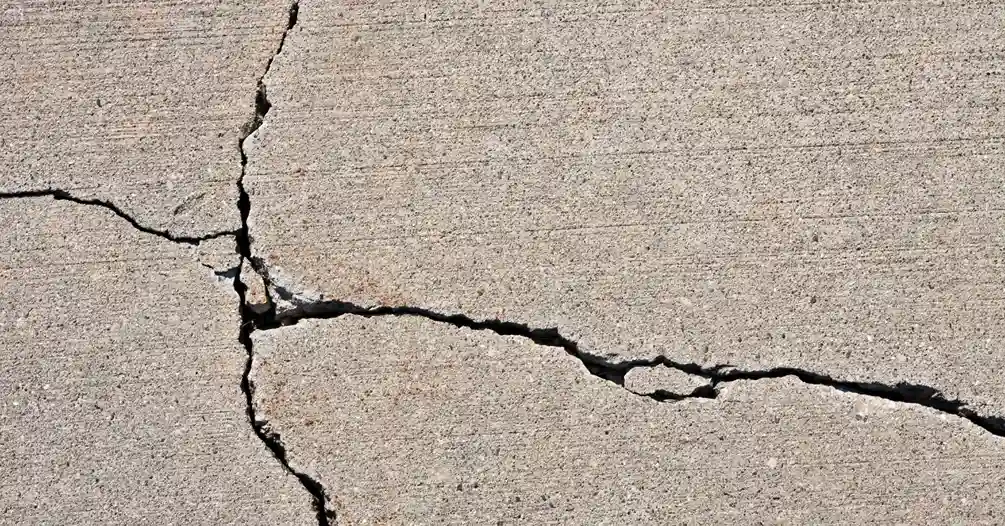
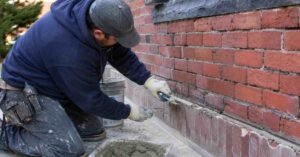
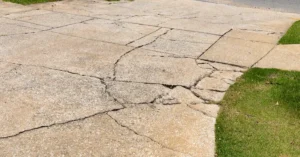
A well-maintained driveway adds value and curb appeal to any home. However, many homeowners face issues with cracks in concrete driveway that worsen over time. These cracks not only affect the appearance but can also lead to expensive repairs if ignored. Understanding the mistakes that make these cracks worse helps prevent further damage. Often, people unknowingly use improper methods or materials when trying to fix their driveways. Some common errors involve ignoring small cracks, applying wrong sealants, or using DIY fixes without proper knowledge. By identifying these mistakes, homeowners can take better steps to maintain a smooth and safe driveway surface, ensuring it lasts for decades without major issues.
Common Mistakes That Make Driveway Cracks Worse
Ignoring Small Cracks
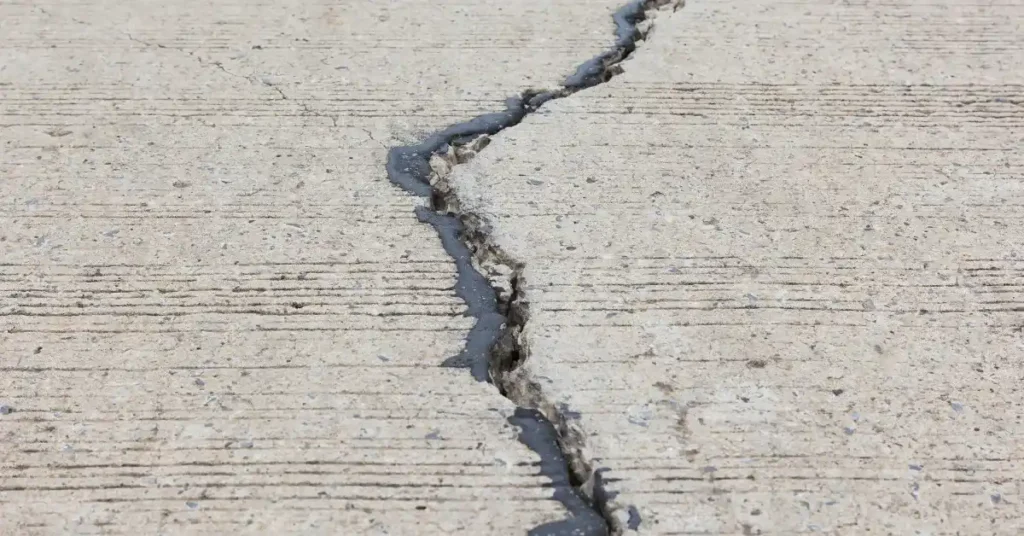
Many homeowners make the mistake of ignoring minor cracks in their driveway. Small cracks may seem harmless initially, but they often expand due to weather changes and heavy vehicles. Water can seep into the cracks and freeze during winter, causing expansion and further damage. Ignoring these cracks can lead to larger structural problems that are costly to repair. Early detection is key to preventing worsening damage. Regular inspection of your driveway can save time and money. Even hairline cracks should be addressed promptly. Preventive care includes cleaning, sealing, and monitoring these areas to avoid severe issues. Fixing small cracks early ensures the driveway remains functional and visually appealing.
Using Wrong Repair Materials
Another common mistake is using improper materials for repairing cracks in concrete driveway. Many DIY enthusiasts select products that are not compatible with the original concrete. Using incorrect fillers or sealants can lead to poor adhesion and cracks returning quickly. Some products expand or contract differently than concrete, causing stress and new fractures. It is crucial to choose materials specifically designed for driveway repairs. Professional-grade repair compounds or sealers provide long-lasting results. Always follow the manufacturer’s instructions when applying these materials. Proper preparation of the crack, including cleaning and drying, is equally important. Avoiding cheap or unsuitable materials ensures repairs are effective and durable.
Poor Surface Preparation
Repairing cracks in driveway concrete requires proper surface preparation. Many homeowners skip this step, thinking it is unnecessary. Failing to clean debris, dirt, or loose concrete particles reduces repair effectiveness. Moisture trapped in the crack can weaken the repair material, leading to failure. Using a wire brush or air blower ensures the surface is clean before applying filler. Some people also forget to widen the crack slightly for better adhesion. Correct preparation allows the repair compound to bond firmly with the surrounding concrete. Neglecting this step is one of the main reasons repairs fail quickly. Taking time for proper preparation guarantees longer-lasting repairs and a smoother driveway surface.
Overlooking Sealant Application
Sealing cracks in concrete driveway is essential to prevent water and debris from causing further damage. Many homeowners skip this step or apply sealant incorrectly. Sealants create a protective barrier that extends the life of repaired cracks. Without sealant, water can enter and freeze during winter, expanding the crack. Applying sealant too thinly or unevenly also reduces its effectiveness. Use a high-quality concrete sealant suitable for outdoor surfaces. Follow instructions carefully, ensuring all cracks are fully covered. Regular resealing helps maintain the driveway and prevents new cracks from forming. Neglecting sealant application makes even repaired cracks prone to recurring damage over time.
DIY Fix Without Proper Knowledge
Attempting to fixing cracks in concrete driveway without adequate knowledge is risky. DIY fixes can worsen the problem if techniques or materials are incorrect. Many homeowners misjudge the depth or size of cracks, leading to improper repair. Some try patching cracks without removing loose concrete, which reduces adhesion. Others fail to allow proper curing time, causing the repair to fail prematurely. Learning the correct methods or consulting a professional ensures the driveway is properly restored. Avoid shortcuts or rushed repairs, as they often result in recurring cracks. Investing time and effort in proper repair prevents expensive damage later.
Frequently Asked Questions
Q1. How do I identify cracks in new concrete driveway?
Ans. Look for hairline fractures or small surface lines forming after curing.
Q2. Can I repair cracks in driveway concrete myself?
Ans. Small cracks can be repaired, but larger ones may need professional help.
Q3. What is the best material for repairing cracks in concrete driveway?
Ans. Use epoxy or polymer-based fillers designed for concrete surfaces.
Q4. How often should I seal my driveway cracks?
Ans. Every two to three years, depending on weather and crack size.
Q5. Can ignoring small cracks cause major damage?
Ans. Yes, water and freeze-thaw cycles can enlarge minor cracks quickly.
Conclusion
Preventing cracks in concrete driveway from worsening requires proper care and attention. Homeowners should avoid ignoring small cracks, using wrong materials, and skipping preparation steps. Applying sealants correctly and seeking professional advice when needed extends the driveway’s lifespan. Regular inspection and maintenance are the best ways to protect investment. By understanding common mistakes, you can repair cracks effectively and maintain a smooth, attractive surface. Taking proactive steps today prevents costly repairs tomorrow, ensuring your driveway remains durable and safe for all vehicles and foot traffic. For professional guidance or repair services, contact us to get expert help and advice.
For trusted driveway repair services near you, check out our Google My Business profile for reviews and contact details.