Concrete demolition is a task that requires careful planning and execution to ensure safety and prevent damage to surrounding property. Whether you are renovating your driveway, removing an old concrete patio, or replacing a foundation slab, understanding the proper techniques and hiring the right professionals can save time, money, and stress. In this guide, we will explore the key steps for safe concrete removal, the tools and methods involved, and tips to protect your property throughout the process.
Understanding Concrete Demolition
Breaking down existing concrete structures is more than just smashing them with a sledgehammer. Proper planning and the right tools are crucial to minimize hazards and achieve efficient results.
Types of Concrete Removal
There are several approaches depending on the project scope:
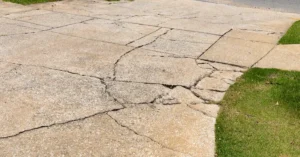
- Residential Concrete Demolition often focuses on driveways, patios, or small slabs. Safety is critical, as these areas are near homes and landscaping.
- Concrete Slab Demolition typically involves breaking thick or reinforced slabs and may require heavy machinery.
- Commercial Projects usually involve industrial equipment for larger-scale tasks, such as parking lots or warehouse floors.
Understanding the type of concrete project needed helps determine the equipment, labor, and cost involved.
Tools and Techniques for Safe Removal
Using the right tools is essential for minimizing risk during demolition. Safety and efficiency go hand in hand when choosing your approach.
Manual Tools
For smaller projects, manual tools like sledgehammers, chisels, and pry bars may suffice. These tools are ideal for residential demolition or minor slab removal. Manual removal is slower but allows for more control and less risk of damaging surrounding areas.
Power Tools and Machinery
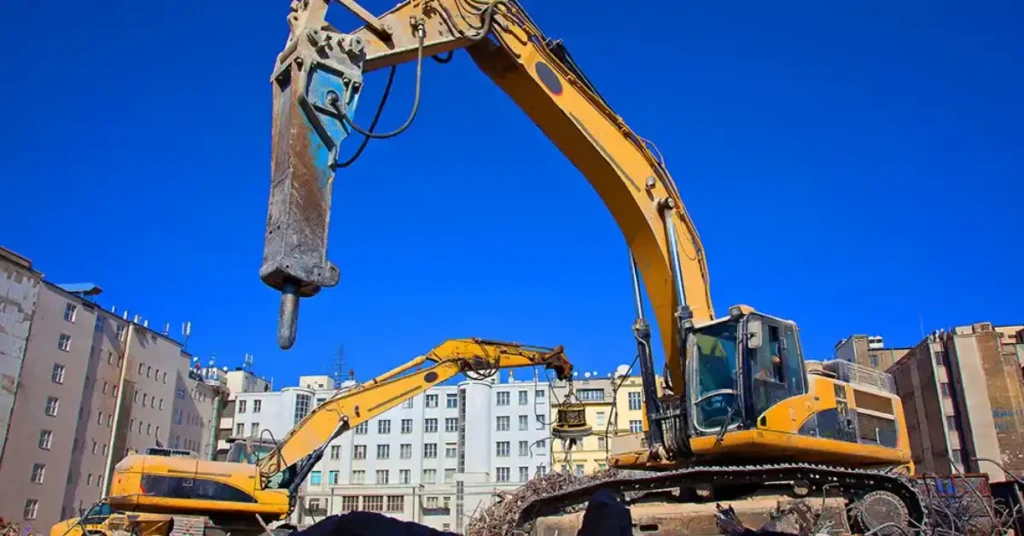
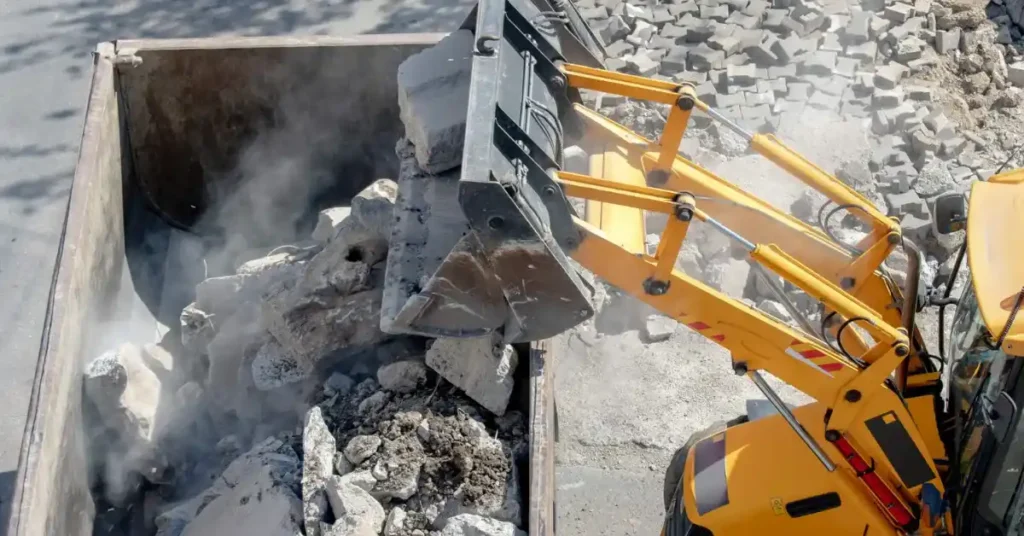
For larger slabs or reinforced concrete, power tools such as jackhammers, concrete saws, and pneumatic drills are more effective. Heavy machinery like excavators or skid steers can expedite the process but should be operated by experienced professionals.
Safety Considerations
- Always wear personal protective equipment including gloves, goggles, and steel-toed boots.
- Mark off the demolition area to prevent accidental injury.
- Ensure electrical lines and plumbing are identified before breaking concrete.
Preparing Your Property for Concrete Demolition
Proper preparation is key to avoiding property damage. Taking time before starting demolition can save costly repairs later.
Site Inspection
Examine the area for obstacles such as underground pipes, sprinkler systems, or landscaping that could be affected. A professional concrete demolition contractor can conduct a thorough assessment to prevent accidental damage.
Protective Measures
- Use plywood or mats to protect driveways and surrounding surfaces from heavy machinery.
- Move outdoor furniture, planters, or vehicles away from the demolition site.
- Consider erecting temporary barriers to control dust and debris.
Permits and Regulations
Certain demolition projects may require permits. Check local regulations before beginning to ensure compliance and avoid fines.
Estimating the Cost of Concrete Demolition
Understanding the cost of demolition helps plan your budget and prevents unexpected expenses. Costs vary depending on factors such as project size, complexity, and equipment needs.
Factors Affecting Costs
- Project Size Larger slabs require more labor and machinery.
- Type of Concrete Reinforced concrete is harder to break and may increase labor costs.
- Disposal Fees Concrete debris must be hauled away, which adds to the overall expense.
Budgeting Tips
Hiring a reliable demolition contractor can streamline the process and provide a clearer estimate. Request multiple quotes and check for services included in the cost, such as debris removal and site cleanup.
Environmental Considerations
Concrete removal can produce significant dust, debris, and waste. Minimizing environmental impact should be a priority for any project.
Recycling Concrete
Many contractors offer recycling options for broken concrete, which can be reused in new construction or as gravel. This reduces landfill waste and supports sustainable building practices.
Dust and Noise Control
- Wet cutting or misting can reduce dust.
- Schedule demolition during hours that minimize noise disturbance to neighbors.
- Proper disposal of debris keeps your property safe and clean.
Choosing the Right Contractor
Hiring a skilled contractor ensures that your concrete removal is done efficiently and safely. A reputable contractor will have experience with various types of projects, the right tools, and proper safety measures.
Qualities to Look For
- Proven track record in residential and commercial projects.
- Licensed and insured for liability protection.
- Transparent pricing and detailed estimates.
- Positive customer reviews and professional references.
Working with a professional service, like Mouton Concrete Services, can make the process smoother while protecting your property from damage.
FAQ
1. What is the difference between concrete slab demolition and residential projects
Concrete slab demolition typically involves larger, reinforced slabs, often for commercial or industrial projects. Residential projects usually focus on smaller areas like driveways, patios, and walkways.
2. How much does concrete demolition cost
The cost depends on slab size, thickness, reinforcement, and disposal needs. On average, residential projects may range from $3 to $8 per square foot.
3. Can I demolish concrete myself
Small projects can be done manually, but large or reinforced slabs require professional tools and expertise to avoid injury or property damage.
4. Do I need a permit for concrete demolition
Permit requirements vary by location. It is important to check with your local authorities before starting any demolition work.
5. How do I choose the right contractor
Look for a licensed, insured contractor with experience, positive reviews, transparent pricing, and knowledge of safe demolition practices.
Conclusion
Concrete demolition is a complex process that requires careful planning, proper tools, and skilled execution. Whether you are tackling a residential patio, a driveway, or a large slab, following safe removal practices ensures that your property remains intact while the project moves forward efficiently. By understanding the different techniques, preparing your site properly, and hiring the right contractor, you can complete your project with confidence. For reliable and professional service, Mouton Concrete Demolition Services provides expert guidance and ensures a safe, thorough, and efficient approach to all concrete removal projects.