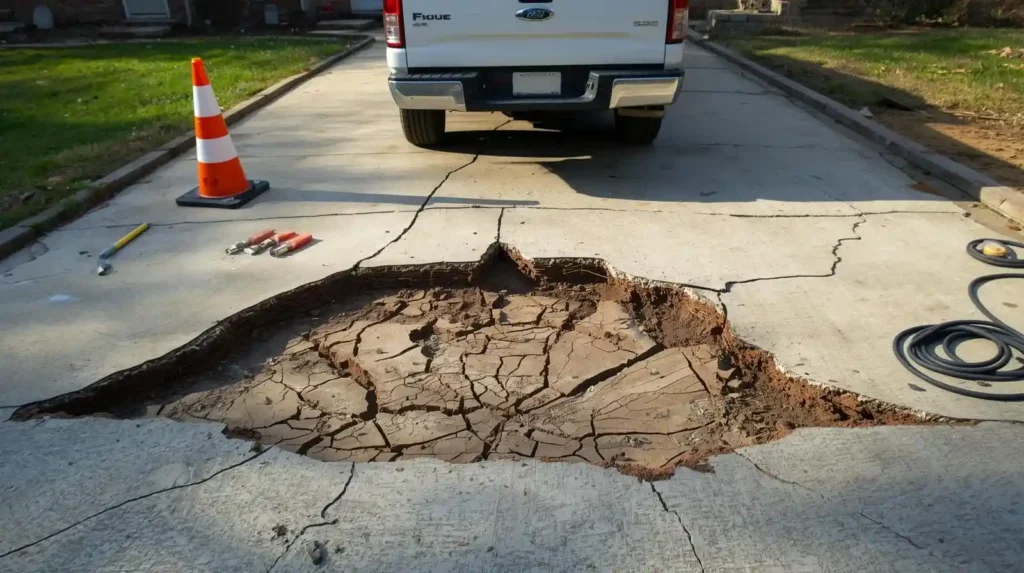
Weather across the United States can shift quickly, and those changes often take a toll on outdoor surfaces, especially driveways. Sun, rain, snow, and temperature swings constantly test the strength of concrete. Over time these conditions can create cracks, surface wear, or uneven settling that homeowners eventually have to deal with. This is why many people end up needing driveway concrete repair at some point. Understanding how different climates affect concrete can help you prevent the kind of problems that grow costly if ignored.
How Extreme Temperatures Affect Concrete
Freezing and Thawing in Winter
In colder regions, winter is one of the biggest stress points for concrete. When water slips into tiny pores and freezes overnight, it expands and pushes at the walls inside the slab. When the sun comes out or temperatures rise a little, everything thaws and contracts again. That expansion and contraction cycle repeats all season and slowly creates small internal fractures. I once watched a hairline crack in my old driveway stay harmless one winter, only to double in length the next year after a brutal series of icy nights.
Heat and Expansion in Hot States
In warm climates the problem is completely different. Concrete absorbs heat throughout the day and expands. When nighttime temperatures cool down, it shrinks. Those repeated movements eventually weaken the slab, especially if heavy vehicles are parked on the same spot every day. That constant pressure makes concrete more vulnerable to long term damage. As the surface grows brittle, homeowners sometimes turn to driveway concrete repair to stop the problem from spreading.
Rainfall, Moisture, and Drainage Issues
Water Settling Under the Slab
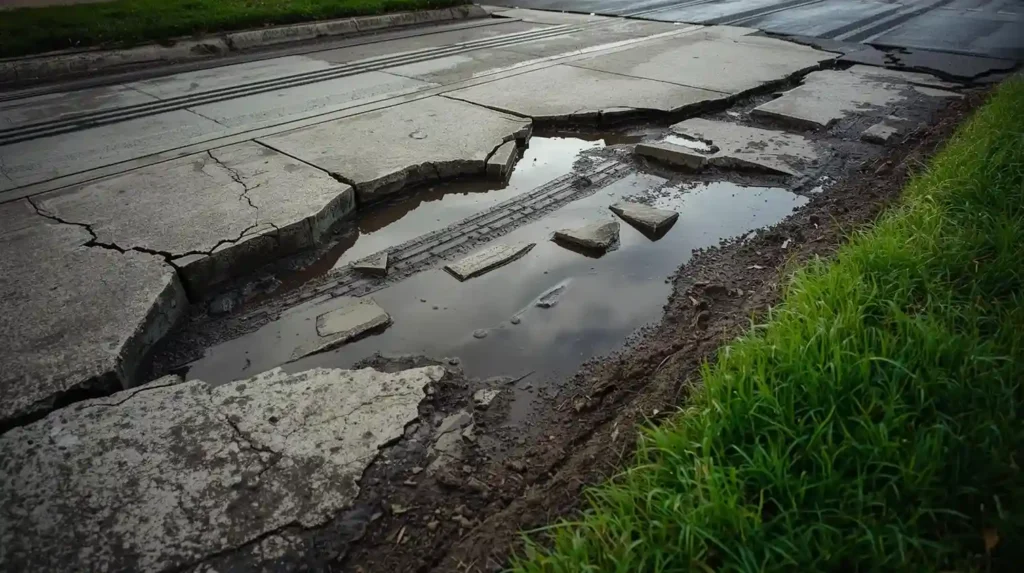
Rain itself might seem harmless, but the water that settles beneath the concrete can be surprisingly destructive. If the soil underneath your driveway holds moisture, the base becomes soft. A soft base cannot support the weight of vehicles or foot traffic evenly. This leads to dips, sinking, and eventually cracking. I have seen homes where the driveway looked perfect on top but had already begun to sink on one side because water kept collecting under the slab.
High Humidity and Slow Degradation
Homes in humid or coastal areas face their own challenges. Moisture from the air gradually seeps into the surface and weakens the top layer. Over time that moisture leads to scaling, discoloration, or soft patches. These problems do not appear overnight, but they slowly build for years. Many homeowners only notice them after washing their driveway and seeing uneven color or texture. At that point it may be time to consider driveway concrete repair to stop deeper deterioration.
Winter Hazards Beyond Temperature
Scraping From Snowplows
In snowy regions, snowplows help keep driveways usable but can also harm the surface. The metal blade can scrape away the top layer of concrete if the operator sets it too low. Even small scrapes create weak points where water collects and eventually forms pits or peeling. After a few winters of plowing, a driveway can look worn even if it was originally in good condition.
Effects of Salt and Ice Melt Products
Ice melt products make winter safer but not all of them are concrete friendly. Strong salt mixes can erode the finish and speed up cracking. When these chemicals sink into the pores, the surface becomes coarse and brittle. Repeated use over several winters often leads homeowners to schedule driveway concrete repair to undo the accumulated damage.
How Weather Varies by Region in the United States
Northern States and Harsh Cold
Northern states like Michigan, Wisconsin, and Minnesota deal with some of the toughest winters in the country. The constant freeze and thaw cycle is relentless. Driveways in these regions age faster than those in mild climates. Without regular sealing and maintenance, cracking becomes inevitable. Many homeowners practice yearly inspections just to stay ahead of the damage.
Southern States and Intense Heat
Southern areas face long periods of extreme heat. States like Arizona and Texas can see triple digit temperatures for weeks. Sun exposure dries out concrete and weakens its surface. Extended heat builds internal stress that slowly leads to visible cracks. In these conditions, homeowners often consider driveway concrete repair earlier than they expected simply because the climate works on the slab every day.
Coastal Regions With Moisture Rich Air
Coastal regions combine humidity, salty air, and stormy seasons. Salt in the air might not be visible, but it settles onto the surface and gradually eats away at the concrete. Moisture creates stains and soft areas, and heavy storms push water into the soil under the slab. When all three combine, even well built driveways need earlier attention.
Ways to Protect Your Driveway From Weather Damage
Consistent Maintenance
A few simple habits go a long way toward protecting a driveway. Helpful steps include
- Applying a quality sealer every two or three years
- Cleaning off standing water whenever possible
- Filling small cracks before they expand
- Avoiding harsh chemicals during cleaning
These routine steps reduce the chance of needing sudden driveway concrete repair and help extend the life of the surface.
Identifying Warning Signs Early
Driveways rarely fail overnight. Early signs usually show up long before major damage appears. Look for surface flaking, small cracks, uneven color, pooling water, or slight sinking in one corner. Catching these issues early can prevent much larger repair bills later.
FAQ
What causes cracks during winter in the northern states
Frozen water expands inside the concrete, pushing it apart and forming cracks that may eventually require driveway concrete repair.
How often should a driveway be sealed
Most experts recommend sealing every two or three years depending on your climate.
Can heat really damage concrete
Yes. Extreme heat causes expansion and contraction that slowly weakens the slab.
Are ice melt products safe for concrete
Some are safer than others, but strong salts can erode the surface over time.
When should a homeowner call a professional
If cracks widen, dips grow deeper, or water pools regularly, professional help is a good idea.
Conclusion
Weather affects concrete in every region of the country, and each climate brings its own challenges. From winter freezing to summer heat and coastal humidity, driveways handle a lot of stress. Keeping an eye on early signs and acting quickly helps protect your property. When the problems go beyond simple maintenance, driveway concrete repair becomes the smartest move for long lasting results. For dependable service and expert guidance, you can reach out to Mouton Concrete Repair Services.