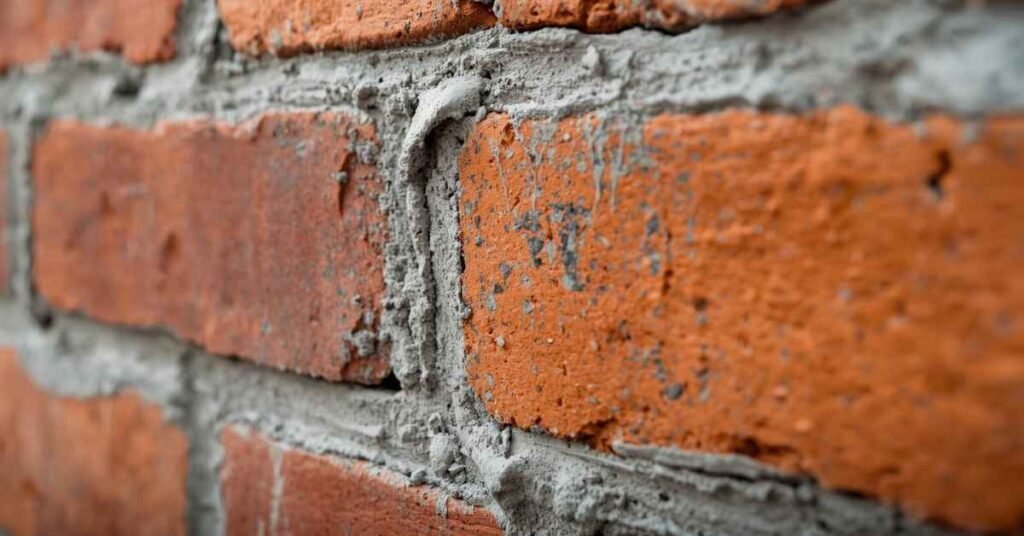
Bricks may seem solid and everlasting, but the mortar holding them together is vulnerable. Over time, weather, settling, and general wear can lead to cracked brick mortar, and ignoring it can create serious problems for your home. Understanding the importance of timely brick mortar repair can save you money, protect your property, and keep your home looking its best.
Why Cracked Brick Mortar Should Not Be Ignored
Structural Integrity at Risk
The mortar between bricks is not just decorative; it is essential for maintaining the stability of your walls. When mortar cracks or crumbles, bricks can loosen, creating gaps that compromise your home’s structure. Small cracks might seem harmless, but over time, they can grow, potentially leading to wall bowing, sagging, or even partial collapse in extreme cases. Addressing brick repair mortar early ensures your walls remain strong and secure.
Water Damage and Moisture Problems
Cracked mortar allows water to seep into walls, which can lead to a host of issues such as mold, mildew, and wood rot. Moisture intrusion can weaken both interior and exterior walls, damage insulation, and create an unhealthy living environment. Using proper mortar for brick repair acts as a barrier against these problems, making it essential to address cracks before they worsen. Even a minor leak can escalate into a major repair project if left unattended.
Common Causes of Brick Mortar Damage
Weather and Temperature Fluctuations
Bricks and mortar expand and contract with temperature changes. Over time, this natural movement can lead to cracks. Freeze-thaw cycles in colder climates are particularly damaging. Water that enters small cracks can freeze, expand, and push the mortar apart, accelerating the deterioration. Regular inspections can help you catch these issues early.
Settling of the Foundation
As homes settle, even slightly, the pressure on brick walls changes. Shifts in the foundation can cause mortar joints to crack or loosen, especially in older homes. Identifying these signs early can prevent more serious structural problems down the line.
Poor Original Construction or Materials
Sometimes the original mortar mix wasn’t ideal for the local climate or type of brick used. Inferior materials or improper application can result in premature cracking. Knowing the quality of your brick repair mortar and using the right mixture for repairs is crucial for long-lasting results.
How to Repair Brick Mortar
Preparing the Area
Before any repair, the damaged mortar must be cleaned and removed. Use a chisel or mortar rake to carefully take out the loose material, making sure not to damage the surrounding bricks. Cleaning the joint ensures the new mortar adheres properly and fills gaps effectively.
Mixing and Applying Mortar
Mix the mortar according to manufacturer instructions. For smaller repairs, pre-mixed options are convenient, but larger projects often require custom blends for strength and color matching. Use a pointing trowel to pack the mortar into the joints, ensuring each gap is completely filled. Smooth the surface with a jointing tool to match the surrounding mortar texture.
Curing and Finishing
Allow the mortar to cure slowly by keeping it slightly damp for a few days. Rapid drying can lead to cracking and weak bonding. Once cured, inspect the wall for any missed spots and touch up as needed. Properly applied mortar for brick repair not only strengthens your walls but also maintains the aesthetic appeal of your home.
Maintenance Tips to Prevent Future Cracks
- Inspect your brickwork annually, especially after heavy rain or freezing conditions
- Keep gutters and downspouts clean to prevent water from running down walls
- Seal any small cracks early to prevent them from expanding
- Avoid using harsh chemicals or pressure washers that can damage mortar
- Schedule professional brick mortar repair inspections every few years
Regular maintenance can extend the life of your mortar and prevent costly repairs later. Simple preventative steps often save homeowners time, money, and stress.
When to Call a Professional
While some small mortar repairs can be handled by handy homeowners, extensive damage requires a skilled professional. Signs that it’s time to call an expert include large cracks, crumbling walls, or signs of moisture infiltration. A professional can assess the extent of the damage, recommend the proper mortar mix, and complete repairs efficiently. Mouton Concrete Contractors and Masonry specialize in precise, long-lasting brick mortar repair solutions to protect homes and maintain their structural integrity.

Frequently Asked Questions
What is the best type of mortar for brick repair
The best mortar depends on your brick type and local climate. Typically, a pre-mixed or custom blend designed for masonry work ensures long-lasting results.
How do I know if my mortar needs repair
Look for cracks, crumbling sections, or gaps between bricks. Water leaks and uneven walls are also signs of deteriorating mortar.
Can I repair brick mortar myself
Small repairs are manageable with the right tools and materials. Larger projects or structural issues are best handled by a professional to ensure safety and durability.
How long does mortar for brick repair last
Properly applied mortar can last decades. Regular inspections and maintenance help extend its lifespan.
Is brick repair mortar expensive
Costs vary based on the extent of damage, materials, and labor. Early repair is always more affordable than waiting until damage worsens.
Conclusion
Cracked brick mortar is more than a cosmetic issue. Ignoring it can lead to structural problems, water damage, and costly repairs. Regular inspections, timely maintenance, and professional brick mortar repair can safeguard your home and preserve its beauty. Don’t wait for a small crack to become a major problem. Protect your investment and keep your walls strong by addressing mortar issues promptly. For reliable and expert solutions, Call us today at (409) 692-1638 to schedule an inspection or consultation.