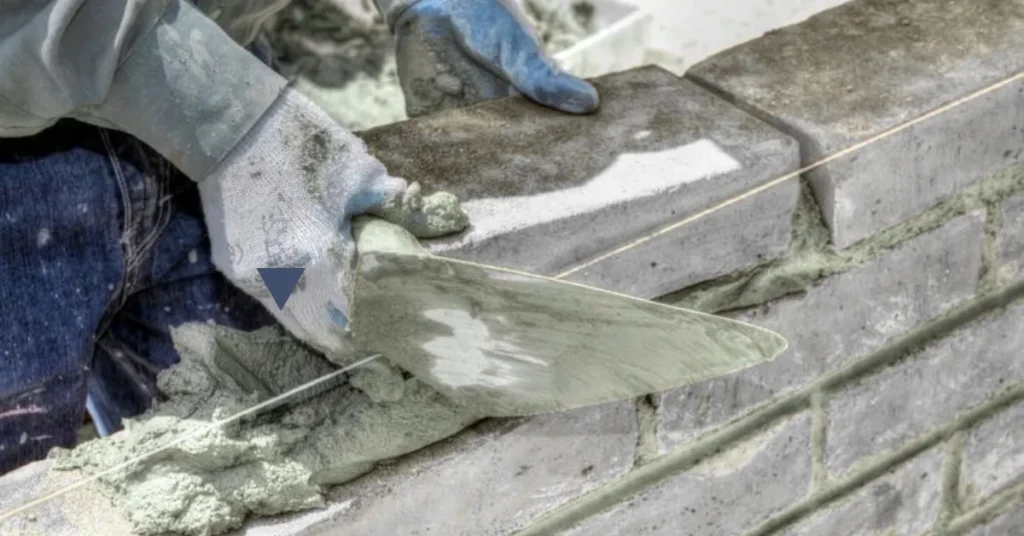
Maintaining the structural integrity of your home is crucial for safety and curb appeal. Walls are more than just partitions; they protect your property from the elements and maintain the aesthetic charm of your home. If you start noticing unusual cracks, crumbling surfaces, or moisture stains, it may indicate that professional brickwork repair services are necessary. Catching these issues early can prevent expensive damage down the line and ensure your walls remain strong and visually appealing.
Visible Cracks and Crumbling Surfaces
Small Cracks Can Be a Warning
Even minor cracks in bricks or mortar joints are not always harmless. Hairline fractures may seem superficial, but they can quickly widen over time due to settling foundations or shifting soil. Watch for cracks that appear in stair-step patterns, as these are often a clear sign of underlying structural stress.
Surface Deterioration
Bricks and masonry surfaces that start flaking or crumbling suggest long-term exposure to moisture or temperature fluctuations. When you notice powdery or uneven surfaces, it is essential to consider intervention before the damage spreads. This is particularly common in older homes where natural weathering gradually weakens the masonry.
Water Damage and Moisture Issues
Staining and Efflorescence
White, chalky deposits on brick surfaces, known as efflorescence, indicate that water is seeping into the walls. While it may not look dangerous at first, persistent moisture can compromise the structural integrity of your masonry. These stains often appear near windows, doors, or ground-level bricks where water accumulates.
Damp or Moldy Interiors
Moisture trapped inside walls can lead to mold growth or a damp smell indoors. If you notice peeling paint, warped wood, or musty odors, it may indicate that water has infiltrated the bricks. Timely attention can prevent more severe interior damage and health issues for your family.

Bulging or Shifting Walls
Bowing and Leaning
Walls that appear to bulge outward or lean slightly are experiencing pressure from within or from the foundation. Even a small outward bow can signal serious structural concerns that cannot be ignored. Regular observation of wall alignment helps in catching issues before they become dangerous.
Uneven Brick Patterns
When bricks or blocks start shifting from their original positions, it disrupts the uniform pattern of the wall. Gaps, misaligned rows, or visible separation between bricks indicate movement in the structure. This can be caused by soil movement, settling foundations, or prolonged exposure to harsh weather conditions.
Deterioration Around Openings
Window and Door Frames
Bricks and masonry around windows and doors are particularly vulnerable. Cracks radiating from these openings or gaps forming around frames are signs of stress in the wall. This happens because these areas bear more load and can be affected by foundation settlement or thermal expansion.
Loose or Missing Mortar
The mortar between bricks serves as the glue holding the structure together. If it begins to crumble or disappear, especially near high-stress areas like corners or lintels, the wall’s strength is compromised. Neglecting this can accelerate the weakening of the entire surface.
Signs of Aging and Weathering
Surface Erosion
Long-term exposure to rain, wind, and sunlight gradually erodes masonry surfaces. Bricks may lose their sharp edges, and the color can fade unevenly. While some natural aging is expected, rapid deterioration can indicate that walls are struggling to withstand environmental stressors.
Frost and Temperature Damage
In colder climates, water trapped inside bricks can freeze and expand, causing cracks and spalling. Similarly, extreme heat can dry out mortar and reduce its bonding strength. Both effects make walls more susceptible to damage and require attention to maintain their longevity.
Preventive Maintenance Tips
- Regularly inspect exterior walls for cracks, bulges, or discoloration.
- Keep gutters and downspouts clean to prevent water from seeping into bricks.
- Trim vegetation away from walls to reduce moisture buildup.
- Repoint mortar joints before they deteriorate too far to maintain stability.
- Apply water-repellent sealants if recommended for your masonry type.

Frequently Asked Questions
How can I tell if my bricks are failing?
Look for visible cracks, crumbling mortar, efflorescence, and bulging surfaces. Any combination of these signs can indicate that your walls need immediate attention.
What is the difference between brick and masonry restoration and general maintenance?
Brick and masonry restoration involves addressing structural issues, replacing deteriorated mortar, and stabilizing walls, whereas general maintenance focuses on cleaning, sealing, and minor touch-ups.
Can moisture damage affect interior walls?
Yes, water seeping through bricks can cause dampness, mold growth, peeling paint, and warped materials inside your home, which may require professional intervention.
Why do stair-step cracks appear in brick walls?
These cracks usually occur due to foundation movement, soil settling, or thermal expansion. Monitoring them early can prevent serious structural concerns.
How often should I inspect my masonry?
Regular inspection is recommended at least twice a year, preferably during spring and fall, to catch issues before they worsen.
Conclusion
Identifying the early warning signs of wall damage is essential for maintaining a safe and beautiful home. From small cracks and bulging surfaces to moisture infiltration and deteriorating mortar, each issue signals that professional attention may be needed. Prioritizing these observations ensures that your walls continue to provide both strength and aesthetic appeal. For trusted expertise in assessing and maintaining structural integrity, Mouton Masonry Repair Services can help protect your investment with comprehensive solutions in brick and masonry repair.