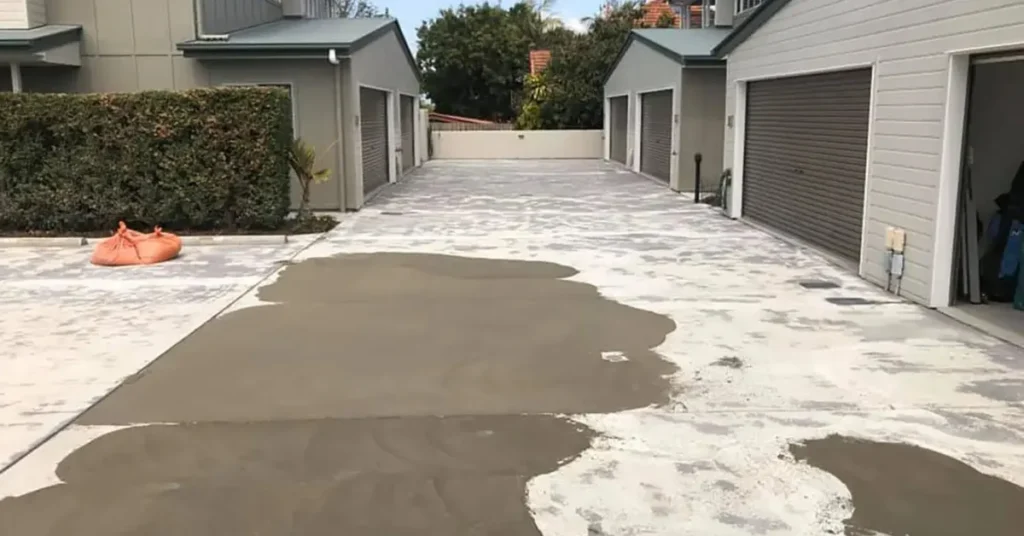
Concrete surfaces are built to last, yet they constantly battle the elements. From heavy rain to blazing sun, every season leaves its mark. Homeowners often overlook how climate conditions slowly break down their surfaces until they face costly driveway and sidewalk repair. When weather patterns shift year after year, driveway and sidewalk repair becomes more common than most people expect. Whether it is residential sidewalks and driveways or a single sidewalk and driveway in front of your home, understanding how weather affects concrete is essential for long term durability.
The Freeze And Thaw Cycle
One of the most damaging weather effects on a concrete driveway or walkway is the freeze and thaw cycle. In colder regions, water seeps into tiny pores in the concrete. When temperatures drop below 32 degrees Fahrenheit, that water freezes and expands. According to the National Ready Mixed Concrete Association, water expands by about 9 percent when it freezes. That expansion creates internal pressure, leading to cracking and surface scaling.
Repeated cycles weaken the structure over time. Small cracks grow larger, edges chip away, and uneven sections form. This is often when homeowners search for sidewalk and driveway repair services to restore stability and safety.
How Moisture Makes It Worse
Moisture alone can be destructive. Poor drainage around sidewalks and driveways allows water to pool. The longer water sits, the deeper it penetrates. If you notice puddles forming after rain, that is an early warning sign that driveway and sidewalk repair may be needed sooner than expected.
Heat And Sun Exposure
While cold weather gets much of the blame, heat is equally aggressive. Extended exposure to direct sunlight causes concrete to expand. Over time, repeated expansion and contraction lead to surface stress and hairline cracks.
In warmer states, concrete driveway surfaces can reach temperatures above 120 degrees Fahrenheit during peak summer. That kind of heat dries out the top layer, making it brittle. Without proper curing and sealing, sidewalks and driveways begin to fade, weaken, and lose their smooth finish.
UV Damage And Surface Breakdown
Ultraviolet rays gradually break down surface compounds in concrete. This results in discoloration and a rough texture. You might notice your sidewalk and driveway looking chalky or worn long before structural issues become visible.
When heat related damage is ignored, it often progresses to deeper cracks that require professional sidewalk and driveway repair to prevent further deterioration.
Heavy Rain And Poor Drainage
Rain may seem harmless, but over time it plays a major role in concrete damage. Consistent rainfall erodes the soil beneath a concrete driveway. When the base shifts, the slab above can sink or become uneven.
Uneven surfaces are more than cosmetic problems. They create tripping hazards and allow even more water to collect in low spots. This accelerates wear and increases the likelihood of needing sidewalk and driveway repair.
Soil Erosion And Settling
Soil composition matters. Clay heavy soil expands when wet and shrinks when dry. This constant movement stresses sidewalks and driveways. If the base was not properly compacted during installation, the movement becomes even more severe.
Homeowners often first notice minor settling near edges or joints. Addressing these early signs reduces the risk of major driveway and sidewalk repair in the future.
Snow, Ice, And Deicing Chemicals
Snow and ice introduce a different set of challenges. Beyond the freeze and thaw cycle, deicing products can damage concrete surfaces. Many traditional salts contain chemicals that accelerate surface scaling and spalling.
When deicers seep into porous concrete, they increase the rate of internal deterioration. The surface may begin to flake, exposing the aggregate beneath. Over time, this leads to structural weakness and a higher need for sidewalk and driveway repair.
Safer Winter Practices
To reduce winter damage, consider the following steps:
- Use sand instead of harsh chemical deicers
• Remove snow promptly to limit moisture absorption
• Apply a quality sealant before winter begins
• Ensure proper drainage around the concrete driveway
Taking preventive action can significantly delay the need for driveway and sidewalk repair.
Tree Roots And Seasonal Growth
Weather does not only affect concrete directly. Seasonal growth patterns also play a role. During spring and summer, tree roots search for moisture. If your sidewalk and driveway are close to large trees, roots can grow beneath the slab.
As roots expand, they push concrete upward. This creates raised sections and cracks. In many neighborhoods, uneven sidewalks and driveways are caused more by root pressure than by age alone.
Managing landscaping near a concrete driveway is crucial. Root barriers and strategic planting can help minimize structural movement and reduce long term sidewalk and driveway repair costs.
Preventive Maintenance Tips
Regular maintenance is the best defense against weather related damage. Small actions taken each year make a noticeable difference over time.
- Seal concrete every few years to reduce water penetration
• Clean surfaces to prevent buildup of debris and organic matter
• Inspect for small cracks and address them early
• Improve drainage by adjusting grading if needed
Proactive care not only protects your investment but also minimizes the frequency of driveway and sidewalk repair in the long run.
FAQs
How often should I schedule sidewalk and driveway repair services?
Most professionals recommend inspections every one to two years. If you notice cracking, sinking, or surface flaking, scheduling driveway and sidewalk repair promptly prevents more extensive damage.
Can weather alone cause damage to a concrete driveway?
Yes. Extreme heat, freeze and thaw cycles, and heavy rainfall all contribute to gradual deterioration. Even well installed sidewalks and driveways can suffer if exposed to severe climate conditions without maintenance.
Is sealing really necessary for a sidewalk and driveway?
Sealing helps reduce moisture penetration and surface wear. It is one of the most effective ways to delay sidewalk and driveway repair and extend the life of concrete surfaces.
What are early signs that driveway and sidewalk repair may be needed?
Look for small cracks, pooling water, discoloration, or uneven slabs. Addressing these issues early is more cost effective than waiting for major structural problems.
Does proper drainage reduce the need for sidewalk and driveway repair?
Absolutely. Good drainage prevents soil erosion and minimizes water infiltration, both of which are leading causes of concrete damage.
Protect Your Investment For The Long Term
The weather is relentless. It does not matter if you live in a cold northern climate or a hot southern region. Over time, the elements will challenge every concrete driveway and walkway. The key is recognizing early warning signs and taking action before minor issues become serious structural concerns.
If your sidewalks and driveways are already showing signs of wear, professional sidewalk and driveway repair can restore safety and appearance while preventing further damage. For reliable solutions tailored to your property, trust the experienced team at MoutonConcreteServices to help protect your investment and keep your concrete surfaces performing at their best for years to come.