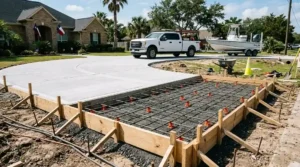
Concrete slabs form the base for many structures such as patios, garages, sheds, and home extensions. Homeowners often ask one simple question before starting a project: what is the cost to pour concrete slab for their property? The answer depends on several factors such as size, thickness, site preparation, labor, and local material prices.
Across the United States, the price can vary widely, but understanding the main cost drivers helps you plan your budget more accurately. Some homeowners only need a small slab for outdoor seating, while others require a large foundation for a garage or workshop. Each project has different requirements that influence the final price.
Knowing the typical pricing structure and the average cost to pour a concrete slab allows you to make informed decisions and avoid unexpected expenses. The sections below explain the most important factors that affect pricing and what you can expect when planning a slab installation.
Average Cost of a Concrete Slab
The average cost to pour a concrete slab typically ranges between five and ten dollars per square foot. This estimate includes materials, labor, and basic site preparation. However, the total cost to pour concrete slab can increase if the project involves thicker slabs, reinforced steel, or complex site conditions.
For example, a standard slab used for patios or walkways usually measures about four inches thick. A slab designed for a garage or driveway may require additional thickness and reinforcement, which increases the overall cost.
A typical 400 square foot slab might cost between two thousand and four thousand dollars depending on local labor rates and material availability. While these numbers provide a general guideline, every project is different. Soil conditions, accessibility, and finishing requirements all influence the final price.
Understanding these averages gives homeowners a realistic starting point when estimating the cost to pour concrete slab for their property.
Factors That Influence Concrete Slab Pricing
Several variables determine the final cost to pour concrete slab. Even small changes in project requirements can significantly affect the total budget.
Size and Thickness of the Slab
The most obvious factor is the total square footage. Larger slabs require more materials and labor. Thickness also matters. A four inch slab uses less concrete than a six inch slab designed to support heavy vehicles or structures.
Site Preparation and Ground Conditions
Before concrete is poured, the ground must be leveled and compacted. If the site has poor soil conditions or requires extensive grading, the cost to pour concrete slab will increase. Removing old materials or clearing vegetation may also add to the budget.
Reinforcement and Structural Requirements
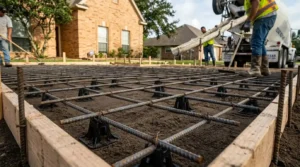
Many slabs include reinforcement such as rebar or wire mesh. This strengthens the concrete and helps prevent cracking over time. While reinforcement adds durability, it also raises the average cost to pour a concrete slab.
Labor and Material Costs
Concrete installation involves skilled labor, specialized equipment, and quality materials. These elements combine to shape the overall cost to pour concrete slab.
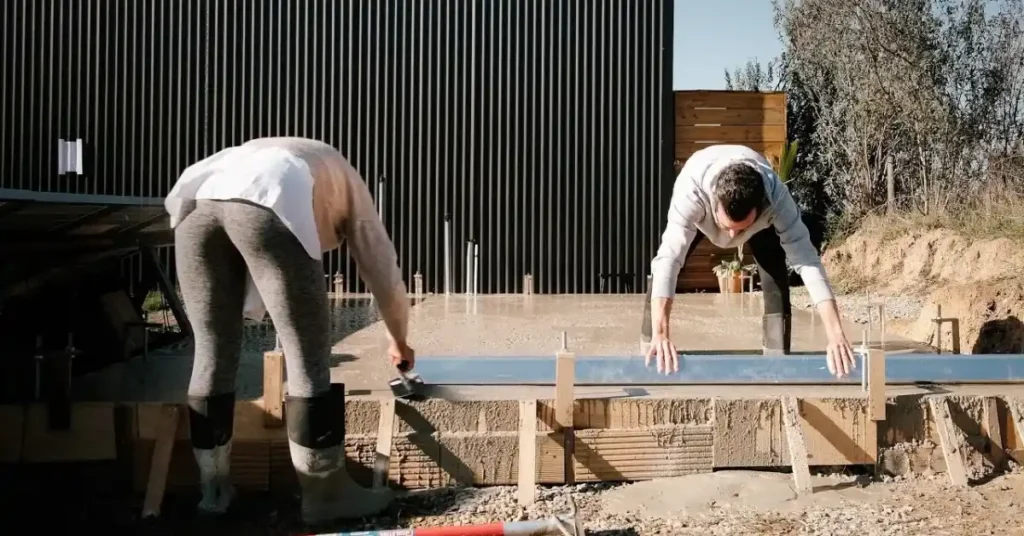
Concrete itself is priced per cubic yard, and the amount required depends on slab dimensions. Contractors must also factor in delivery fees, forming materials, finishing tools, and curing supplies. Labor costs often make up a large portion of the total project price.
Experienced crews typically complete slab installation quickly and efficiently. While hiring professionals may seem expensive at first, proper installation helps avoid structural problems later. When calculating the cost to pour concrete slab, it is important to consider both material quality and the expertise of the crew performing the work.
Regional pricing differences also play a role. In areas with higher labor demand or limited material supply, the average cost to pour a concrete slab can rise noticeably.
Additional Features That Increase Cost
Some projects include upgrades that enhance durability, appearance, or functionality. These extras can increase the cost to pour concrete slab, but they also add long term value.
Common additions include:
- Decorative finishes such as stamping or staining
- Thicker edges for structural support
- Drainage systems around the slab
- Integrated footings for load bearing structures
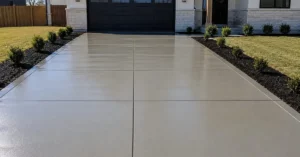
- Smooth polished surfaces for patios or outdoor living areas
Each feature requires additional time and materials. For example, decorative finishes involve extra steps during the pouring and curing process. These details can raise the average cost to pour a concrete slab, yet many homeowners choose them to improve aesthetics and durability.
Ways to Manage Concrete Slab Costs
Although concrete installation involves significant investment, there are practical ways to manage the cost to pour concrete slab without sacrificing quality.
Planning ahead often saves money. Accurate measurements help contractors order the correct amount of concrete, which reduces waste. Choosing a standard thickness and basic finish also keeps expenses under control.
Homeowners sometimes schedule projects during slower seasons when contractor availability is higher. This can occasionally reduce labor costs. Clear communication with your contractor about project expectations also prevents unnecessary changes that could raise the cost to pour concrete slab.
In many cases, investing in proper preparation and quality materials upfront prevents structural issues later. That approach often proves more economical in the long run.
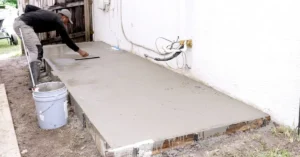
Frequently Asked Questions
How much does a concrete slab cost per square foot?
Most projects range from five to ten dollars per square foot. This range represents the typical average cost to pour a concrete slab for residential projects.
What affects the cost to pour concrete slab the most?
Slab size, thickness, reinforcement, and ground preparation are the biggest factors that influence the cost to pour concrete slab.
Is a thicker concrete slab more expensive?
Yes. A thicker slab requires more concrete and reinforcement materials, which increases the average cost to pour a concrete slab.
How long does it take to pour a concrete slab?
Most residential slabs are completed within one or two days depending on size, weather conditions, and site preparation requirements.
Can decorative finishes change the price?
Yes. Decorative surfaces, textured finishes, or polishing can increase the overall cost to pour concrete slab because they require additional labor and materials.
Conclusion
Understanding the cost to pour concrete slab begins with knowing the variables that influence pricing. Size, thickness, site preparation, reinforcement, and finishing choices all contribute to the final cost. While the average cost to pour a concrete slab provides a helpful guideline, every project is unique and requires careful planning.
Homeowners who take time to evaluate their needs and consult experienced professionals often achieve better results and more accurate budgets. If you are planning a new slab for a patio, garage, or outdoor space, professional guidance can make the entire process smoother and more predictable.
For dependable workmanship and clear pricing, consider reaching out to Mouton Concrete Services to discuss your project and receive a detailed estimate.