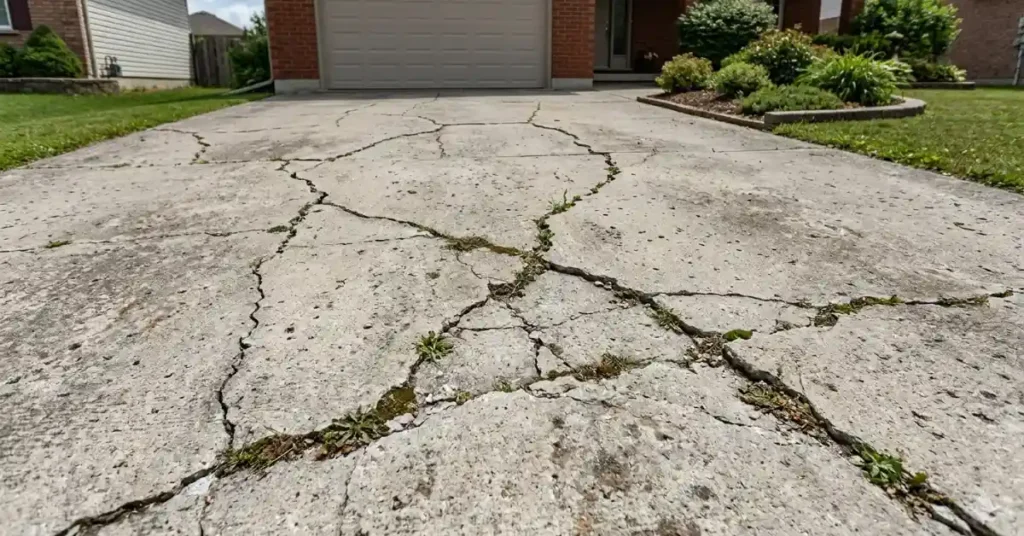
Nothing ruins your home’s curb appeal faster than visible cracks in concrete driveway surfaces that keep getting worse with every passing season. You probably noticed a small line forming last summer and figured it would stay that way. Then winter came, water seeped in, froze, expanded, and suddenly that little line turned into something you cannot ignore anymore. The good news is that most driveway crack repair situations are completely manageable when you understand what you are dealing with and take action at the right time. Whether the damage is minor or starting to look serious, knowing the best approach saves you money, protects your property value, and keeps your concrete driveway looking sharp for years to come.
Why Cracks Form in Your Concrete Driveway
Weather and Temperature Shifts
Wisconsin winters alone are enough to test any concrete surface. When water seeps into tiny pores and freezes overnight, it expands by roughly nine percent. That repeated freeze and thaw cycle creates internal pressure that eventually forces cracks to appear. Over several seasons, what started as a hairline fracture becomes a noticeable split that collects more water and worsens faster.
Poor Installation and Ground Movement
Sometimes cracks in concrete driveway surfaces have nothing to do with weather at all. Improper base preparation, insufficient curing time, or the wrong concrete mix can create weaknesses from the very beginning. Soil settling beneath the slab also contributes significantly. When the ground shifts unevenly, it creates stress points that the concrete simply cannot absorb without cracking.
Identifying the Type of Crack You Are Dealing With
Hairline and Surface Level Cracks
These thin, shallow lines are incredibly common and usually cosmetic. They often result from rapid drying during the curing process or minor temperature fluctuations. While they do not pose an immediate structural threat, ignoring them allows moisture to penetrate deeper over time. Addressing cracks in concrete driveway surfaces at this early stage is always the smartest and most cost effective approach.
Wider Structural Cracks
When cracks exceed a quarter inch in width or show signs of vertical displacement where one side sits higher than the other, you are looking at a more serious situation. These typically indicate underlying soil issues or significant freeze damage. Structural cracks in concrete driveway slabs require professional evaluation to determine the best course of action and prevent further deterioration.
Effective Methods for Fixing Concrete Driveway Cracks
Concrete Caulk for Minor Cracks
For hairline fractures and narrow surface cracks, flexible concrete caulk provides a quick and reliable solution. It bonds well to existing concrete, moves slightly with temperature changes, and prevents water from entering the crack. Clean the area thoroughly, apply the caulk, smooth it with a putty knife, and let it cure completely before driving over it.
Patching Compound for Medium Cracks
Cracks wider than a quarter inch but still relatively shallow respond well to vinyl concrete patching compound. This material fills the gap, bonds to both sides of the crack, and creates a durable surface that withstands traffic and weather. Properly applied patching compound can extend the life of your concrete driveway by several years when combined with regular sealing.
Professional Resurfacing for Extensive Damage
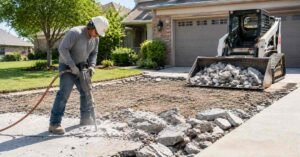
When cracks in concrete driveway surfaces are widespread and interconnected, individual patching becomes impractical. Full resurfacing involves applying a new concrete overlay across the entire surface, creating a fresh, uniform appearance. This approach addresses multiple problem areas simultaneously and gives your concrete driveway an essentially new life without the cost of complete replacement.
Preventing Future Cracks From Forming
Taking proactive steps after addressing existing damage dramatically reduces the chances of new cracks developing. Prevention is always cheaper and less stressful than dealing with problems after they appear.
- Apply a quality concrete sealer every two to three years to block moisture penetration
- Keep your concrete driveway clean and free of standing water, especially near edges
- Avoid using deicing salts during winter as they accelerate surface deterioration
- Fill small cracks immediately before they have the chance to grow larger
- Ensure proper drainage around your concrete driveway so water flows away from the slab
These simple maintenance habits protect your investment and keep cracks in concrete driveway surfaces from becoming recurring headaches season after season.
When Professional Help Makes the Most Sense
Some homeowners enjoy tackling small concrete projects themselves, and there is nothing wrong with that for minor surface cracks. However, certain situations clearly call for professional expertise. If you notice cracks wider than half an inch, sections of your concrete driveway sinking or heaving, or patterns suggesting foundation level movement, calling in an experienced contractor is the right move.
Professionals bring specialized tools, commercial grade materials, and the knowledge to diagnose underlying causes that are not visible on the surface. They also ensure that the solution addresses the root problem rather than just masking symptoms temporarily. Investing in professional work for significant cracks in concrete driveway slabs protects your property value and avoids costly complications down the road.

Frequently Asked Questions
What causes cracks in concrete driveway surfaces?
The most common causes include freeze and thaw cycles, soil movement beneath the slab, heavy vehicle loads, tree root pressure, and improper installation. Understanding the specific cause helps determine the most effective solution for your situation.
Can I fix small cracks in concrete driveway myself?
Yes. Hairline and narrow cracks respond well to concrete caulk or patching compound available at most hardware stores. Clean the area thoroughly before applying any filler for the best adhesion and longest lasting results.
How often should I seal my concrete driveway?
Most experts recommend applying a quality concrete sealer every two to three years. Regular sealing blocks moisture penetration, which is the primary driver behind most cracks in concrete driveway surfaces, especially in colder climates.
Will cracks in my concrete driveway get worse over time?
Almost always, yes. Water enters the crack, freezes during cold months, and expands the gap further. What starts as a hairline fracture can become a significant structural issue within just a few seasons if left unaddressed.
When should I consider full concrete driveway replacement instead of patching?
If cracks are widespread, the slab is significantly uneven, or the concrete is more than 25 to 30 years old with extensive surface degradation, full replacement may be more practical and cost effective than attempting multiple individual fixes.
Take Action Before Small Problems Become Big Ones
Cracks in concrete driveway surfaces are not just cosmetic nuisances. They are warning signs that deserve timely attention. The sooner you address them, the less they cost to fix and the longer your concrete driveway continues to serve your home beautifully. Whether you are handling a simple crack filling project or need professional evaluation for more serious damage, taking that first step today saves you real money and frustration tomorrow. Mouton Concrete Repair brings the expertise and dedication needed to restore your concrete driveway to its best condition. Reach out now, get a professional assessment, and give your home the solid, clean surface it deserves.