Buildings that last decades without shifting, cracking, or failing usually have one thing in common. A well designed concrete masonry unit wall. Walk past warehouses, schools, hospitals, or even older homes that still feel rock solid, and chances are you are looking at masonry doing its job quietly and reliably. A concrete block masonry wall brings together strength, fire resistance, and long term value in a way few other systems can match.
Understanding the Basics of Concrete Masonry Unit Walls
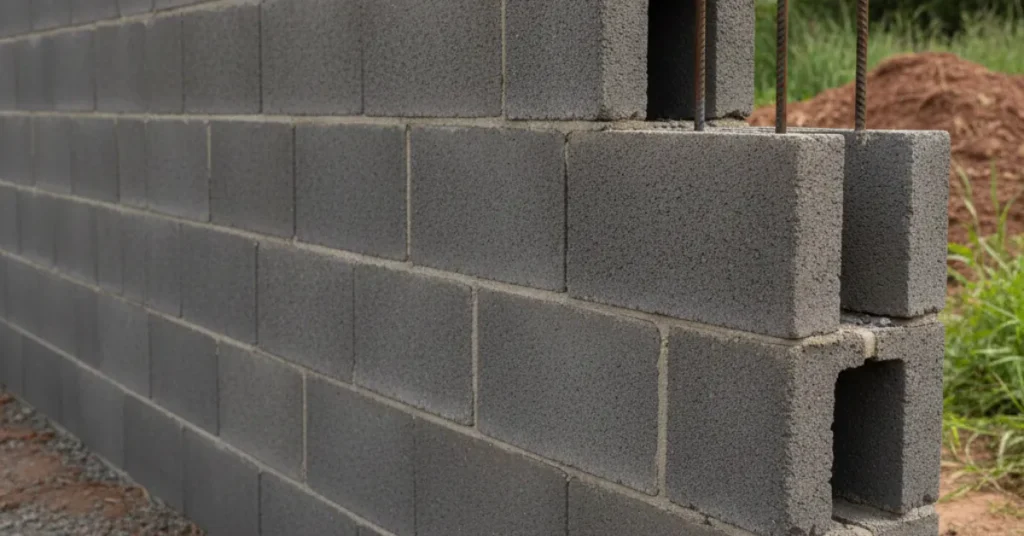
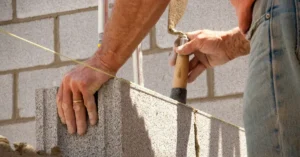
A concrete masonry unit wall is built using concrete blocks that are stacked, aligned, and bonded with mortar to form a unified structure. These blocks are manufactured under controlled conditions, which means consistent strength and predictable performance on site. That reliability is why CMU wall construction is common in both commercial and residential projects.
Concrete masonry units come in various sizes and configurations, allowing flexibility in design without sacrificing durability. When installed correctly, they distribute loads evenly and resist cracking better than many alternative materials. Builders appreciate them because they are straightforward to work with, while owners appreciate the feeling of permanence they provide.
Structural Strength That Holds Up Over Time
One major reason engineers trust masonry is its ability to handle heavy loads. A structural masonry wall is designed to support floors, roofs, and even additional stories without excessive movement. The compressive strength of concrete blocks allows walls to carry weight efficiently from top to bottom.
Over time, materials like wood can warp or rot, especially in humid or pest prone environments. Masonry does not have that problem. Properly built walls maintain their shape and integrity year after year. This long term stability reduces repair costs and prevents the gradual weakening that leads to expensive structural issues.
The Role of Reinforcement in Masonry Walls
A reinforced masonry wall takes strength to another level by combining concrete blocks with steel reinforcement and grout. Steel rebar placed inside the hollow cores of blocks increases tensile strength, helping the wall resist bending and lateral forces.
This approach is especially valuable in areas prone to high winds or seismic activity. Reinforcement allows the wall to flex slightly under stress instead of cracking or collapsing. Many modern building codes require reinforced CMU wall construction for safety reasons, and for good cause. The combination of concrete and steel creates a system that performs reliably under both everyday loads and extreme conditions.
Resistance to Fire, Weather, and Impact
Concrete masonry unit walls offer natural resistance to fire, which is a major advantage in both residential and commercial settings. Concrete does not burn, melt, or release toxic fumes when exposed to heat. This makes masonry walls a preferred choice for schools, medical facilities, and multi family buildings.
Weather resistance is another strength. Masonry stands up well to heavy rain, strong winds, and temperature swings. In coastal areas, concrete block walls resist moisture damage better than many other materials. They also provide solid impact resistance, which matters in high traffic areas or locations exposed to storms.
Energy Efficiency and Sound Control Benefits
Beyond strength, a concrete masonry unit wall contributes to energy efficiency. The thermal mass of concrete helps regulate indoor temperatures by absorbing heat during the day and releasing it slowly at night. This can reduce heating and cooling demands over time.
Sound control is another benefit that often goes unnoticed until people experience it. Masonry walls block noise effectively, creating quieter interior spaces. Anyone who has worked inside a busy facility built with concrete block masonry walls knows how much calmer the environment feels compared to lightweight construction.
Longevity and Low Maintenance Appeal
Masonry walls are known for their longevity. Many buildings constructed with CMU decades ago are still performing well with minimal maintenance. Unlike siding or framing materials that require frequent upkeep, concrete masonry unit walls mainly need occasional inspection and sealing.
Maintenance tasks are simple and infrequent. This long lifespan translates into lower ownership costs and fewer disruptions over the life of the building. Owners who prioritize durability often choose masonry because it reduces long term headaches.
Real World Performance You Can Trust
There is a reason municipal buildings, schools, and industrial facilities rely on masonry. These structures face constant use, heavy loads, and strict safety requirements. A reinforced masonry wall provides confidence that the building will perform as expected under pressure.
Even in residential settings, homeowners appreciate the sense of security that comes from solid masonry construction. It is the difference between a wall that feels temporary and one that feels permanent when you lean against it.

Frequently Asked Questions
What makes a concrete masonry unit wall stronger than other wall systems?
Concrete blocks have high compressive strength, and when combined with mortar and reinforcement, they create a unified system that distributes loads efficiently and resists cracking.
Is CMU wall construction suitable for homes?
Yes. Many homes use CMU wall construction for foundations, garages, and even full exterior walls because of its durability and fire resistance.
How does a reinforced masonry wall improve safety?
Steel reinforcement inside the blocks helps the wall resist bending and lateral forces from wind or seismic activity, reducing the risk of structural failure.
Are concrete block masonry walls energy efficient?
They can be. The thermal mass of concrete helps stabilize indoor temperatures, which may lower heating and cooling costs over time.
How long does a structural masonry wall typically last?
With proper construction and minimal maintenance, a structural masonry wall can last many decades, often outlasting other building components.
Conclusion and Call to Action
Strength, reliability, and longevity are not marketing buzzwords when it comes to masonry. They are proven characteristics backed by decades of real world performance. A well built concrete masonry unit wall delivers stability, safety, and peace of mind in a way few systems can match. Whether planning a commercial project or upgrading a residential structure, choosing masonry is an investment in durability and long term value. For expert guidance and skilled craftsmanship tailored to your project, reach out to Mouton Concrete and Masonry Services and take the first step toward building something that truly lasts.