Creating a durable, smooth sidewalk starts long before the concrete hits the ground. It begins with proper planning and forming a sidewalk for concrete. Without a solid base and well-constructed forms, even the highest-quality concrete can crack or shift over time. Concrete sidewalk forms act as the guide, shaping the sidewalk and ensuring it stays level, aligned, and attractive for years to come. Understanding the techniques and best practices behind these forms can save both time and money while giving your property a polished, professional look.
Why Proper Concrete Sidewalk Forms Matter
When most people think about sidewalks, they picture the finished surface, but the real secret lies in the forms. These forms act as molds, keeping the concrete in place while it cures. Without them, concrete can spill, slump, or form uneven edges.
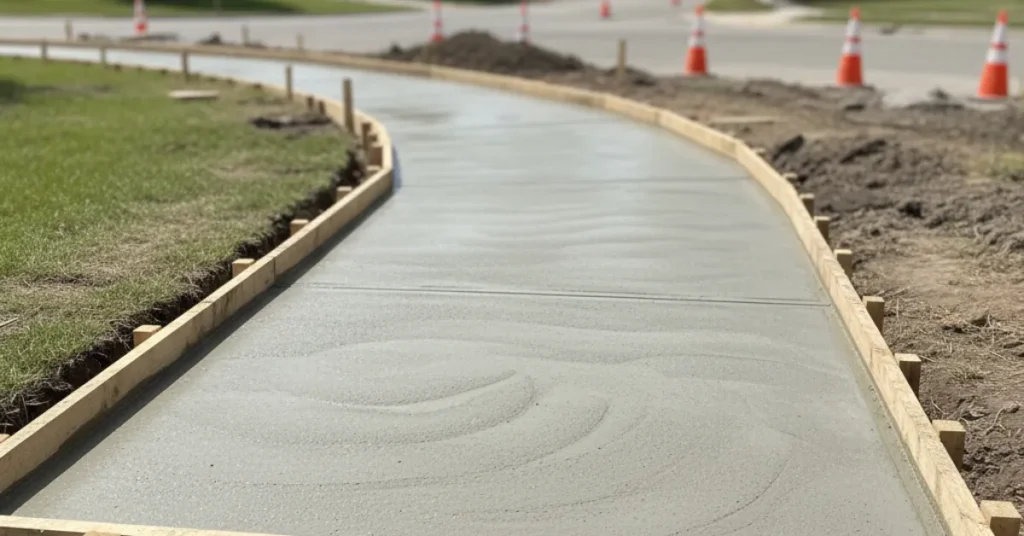
Key reasons to invest in proper concrete sidewalk form installation include:
- Accuracy: Forms ensure consistent width, thickness, and straight lines.
- Durability: A properly formed sidewalk is less prone to cracking or shifting.
- Efficiency: Proper forms speed up installation, reducing labor costs.
- Aesthetics: Smooth edges and uniform curves make the sidewalk look professionally done.
Even small mistakes at this stage can lead to costly repairs later, so taking time to create sturdy, precise forms is crucial.
Materials and Tools for Forming a Sidewalk
Before you pour any concrete, you need the right tools and materials to set up your concrete sidewalk forms. Using subpar materials might save a few dollars initially, but it often results in uneven surfaces or broken forms.
Essential Materials:
- Wood or metal forms: Pressure-treated lumber is standard, though aluminum forms are ideal for repeated use.
- Stakes: Secure forms firmly into the ground to withstand the weight of wet concrete.
- Form oil: Helps prevent concrete from sticking to the forms, making cleanup easier.
- Measuring tape and level: Precision tools are key to straight, level sidewalks.
Key Tools:
- Hammer or mallet
- Screed board for leveling
- Trowel for finishing edges
- String line for alignment
By gathering all materials beforehand, the process becomes smoother, and you minimize the risk of errors during the pour.
Step-by-Step Guide to Setting Up Concrete Sidewalk Forms
Forming a sidewalk for concrete may seem intimidating, but breaking it into steps makes it manageable even for first-timers.
1. Plan Your Path
Map out the sidewalk path, considering curves, slopes, and connection points. A garden hose can act as a flexible guide for curves.
2. Prepare the Base
Remove grass and debris, then level the soil. Add a layer of compacted gravel to improve drainage and prevent settling.
3. Build the Forms
Secure wood or metal forms along the edges, using stakes for support. Check for level at multiple points to ensure a flat surface.
4. Pour and Smooth Concrete
Once the forms are in place, pour concrete carefully, filling all corners. Use a screed to level the surface, then smooth with a trowel.
5. Allow Curing Time
Concrete requires proper curing to reach full strength. Keep it moist for several days and avoid heavy traffic until fully set.
Following these steps ensures the sidewalk looks professional and lasts for decades.
Common Mistakes to Avoid
Even experienced DIYers and contractors make mistakes with concrete sidewalk forms. Avoid these pitfalls to maintain quality and durability:
- Skipping base preparation: Uneven or poorly compacted soil leads to cracks.
- Weak or poorly aligned forms: Forms that shift during pouring cause uneven edges.
- Ignoring expansion joints: These small gaps prevent cracking as concrete expands.
- Rushing curing time: Walking on concrete too soon can create permanent marks or damage.
Being meticulous at each stage can prevent headaches and expensive fixes later.
Maintenance Tips for Your Sidewalk
A well-formed sidewalk is only half the battle. Proper maintenance keeps it looking new and extends its lifespan.
- Sweep debris regularly to prevent surface wear.
- Wash with mild detergent and water to remove stains.
- Seal cracks promptly to prevent water damage.
- Apply a concrete sealer every few years to protect against weathering.
- Avoid harsh chemicals like deicers that can corrode concrete edges.
Simple, consistent care ensures your sidewalk remains functional and attractive for decades.

FAQs About Concrete Sidewalk Forms
What is a concrete sidewalk form
A concrete sidewalk form is a temporary mold, usually made of wood or metal, that shapes and supports concrete until it hardens.
How do you form a sidewalk for concrete
Start by clearing and leveling the soil, setting stakes, and placing forms along the edges. Once aligned and secured, you pour and smooth the concrete.
What materials are best for sidewalk forms
Pressure-treated lumber is common for one-time use, while aluminum forms are durable for repeated projects. Using form oil prevents sticking.
Why are expansion joints necessary in sidewalks
Expansion joints accommodate concrete movement caused by temperature changes, preventing cracks and prolonging the sidewalk’s life.
Can I reuse concrete sidewalk forms
Yes, metal or high-quality wood forms can be reused for multiple projects if handled carefully and cleaned properly.
Conclusion
Mastering concrete sidewalk forms is about more than just pouring cement; it’s about precision, planning, and attention to detail. From selecting the right materials to carefully setting forms and maintaining your finished sidewalk, every step impacts longevity and appearance. Whether you’re creating a simple straight path or a curved decorative walkway, investing time in proper form setup pays off. For expert guidance and professional installation, Mouton Concrete Custom Sidewalks delivers durable, beautifully finished sidewalks that stand the test of time. Don’t settle for uneven, cracked paths, focus on quality forms first, and your sidewalk will shine for years to come.