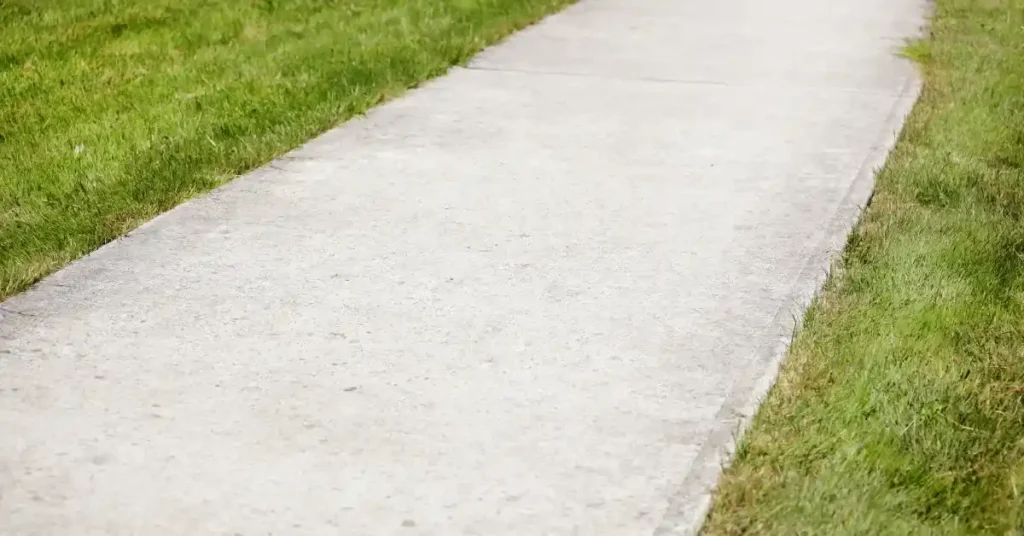
A well-constructed sidewalk can significantly enhance the curb appeal of any property while providing a safe, durable surface for walking. However, many homeowners face challenges such as cracking, uneven surfaces, or costly repairs when sidewalks are not properly planned or maintained. With the right concrete sidewalk ideas, you can create a long-lasting and attractive pathway that resists common issues. This article will explore practical design techniques, materials, and maintenance tips to help prevent cracks and ensure your sidewalk remains functional and appealing for years.
Understanding Sidewalk Concrete and Common Issues
Concrete is one of the most popular materials for sidewalks due to its durability, versatility, and relatively low maintenance requirements. However, like all materials, it has vulnerabilities. Sidewalk concrete expands and contracts with changes in temperature, which can create stress on the surface and lead to cracks if proper joints or reinforcement are not used.
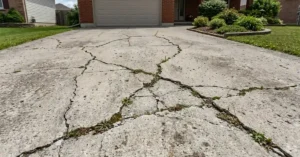
Another common problem is soil movement. If the base beneath the sidewalk is not compacted correctly, or if drainage is inadequate, the concrete can settle unevenly, causing dips, cracks, or even large sections to fail over time. By understanding these issues, homeowners can adopt the right concrete sidewalk ideas to avoid problems and maintain a smooth, durable path.
Creative Concrete Sidewalk Ideas for Longevity
Decorative Concrete Finishes
One of the most effective ways to combine durability with aesthetics is through decorative concrete. Stamped concrete, colored concrete, and exposed aggregate finishes can enhance the appearance of your sidewalk while hiding minor surface imperfections. Decorative textures also increase traction, which is especially beneficial in areas with heavy foot traffic or rainy conditions. Using patterns or subtle color variations not only improves curb appeal but also helps prevent early visible wear and cracking.
Using High-Quality Concrete Sidewalk Forms
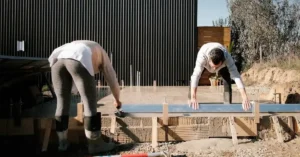
Concrete sidewalk forms are essential for creating a strong and uniform path. These forms hold the concrete in place during pouring and curing, ensuring the correct thickness and alignment. Properly installed forms, reinforced with supports and integrated with control joints, allow concrete to expand naturally. This reduces the risk of stress cracks in large sections and ensures a more durable walkway. Choosing durable materials for forms and proper reinforcement techniques is an important aspect of professional concrete sidewalk ideas.
Planning and Building a Concrete Sidewalk
Site Preparation
Successful sidewalk construction begins with careful planning and site preparation. First, evaluate the area for proper drainage, slope, and soil stability. Grading the area ensures water flows away from the sidewalk, preventing erosion, standing water, and freeze-thaw damage. Remove any debris and compact the soil base to create a stable foundation. Proper site preparation minimizes settling and cracking and provides a solid base for a long-lasting sidewalk.
Pouring and Curing Concrete
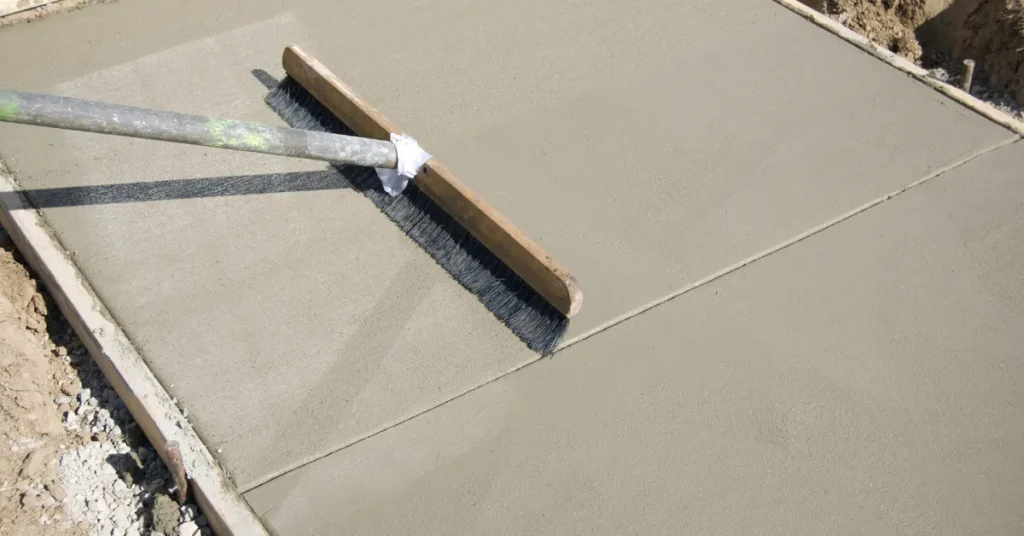
Once the site is ready, pour the concrete using recommended mixing ratios. Smooth the surface with a screed and trowel, ensuring even thickness throughout. Proper curing is crucial for preventing cracks. Keeping the concrete moist for at least seven days allows it to achieve maximum strength. Proper curing, combined with well-placed joints, ensures that your sidewalk is sturdy, functional, and visually appealing for decades. Following these steps is essential when considering how to build a concrete sidewalk that lasts.
Repairing and Maintaining Concrete Sidewalks
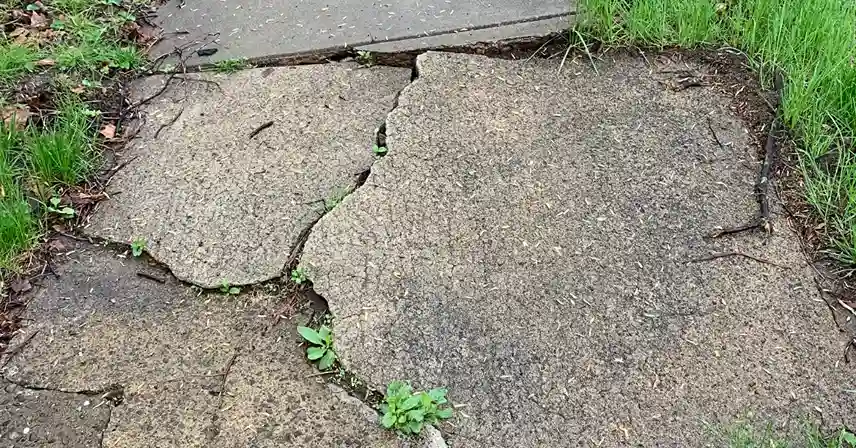
Even with careful planning, sidewalks can develop cracks over time. Prompt repair can prevent small issues from turning into major problems. Minor cracks can be filled with patching compounds or concrete sealants, maintaining a smooth surface. For larger cracks or structural issues, partial replacement or professional repair may be necessary.
Maintenance Tips for Longevity
Maintaining your sidewalk can significantly extend its lifespan. Follow these tips:
- Sweep regularly to remove dirt, leaves, and debris
- Seal concrete every few years to protect against water and chemical damage
- Avoid harsh chemicals and de-icing salts
- Inspect landscaping to ensure tree roots or soil erosion do not damage the sidewalk
Routine maintenance not only preserves appearance but also prevents costly repairs over time. It’s an important part of any effective concrete sidewalk ideas plan.
Sustainable and Modern Sidewalk Ideas
Sustainability has become a key consideration in modern construction. Using recycled materials such as crushed concrete or fly ash reduces environmental impact while maintaining durability. Permeable concrete sidewalks allow water to seep through, reducing runoff and minimizing erosion-related damage.
Combining Function and Design
Modern sidewalks can be both practical and visually appealing. Adding gentle curves, planting strips, or contrasting colors defines walkways while improving safety. Consider integrating lighting or textured surfaces for better traction, especially in high-traffic areas. These design elements create a welcoming and accessible path while helping to prevent cracking and wear. Integrating eco-friendly materials with thoughtful design ensures your sidewalk is durable, sustainable, and stylish, a perfect example of innovative concrete sidewalk ideas.
Frequently Asked Questions
1. How can I prevent cracks in a concrete sidewalk
Use proper concrete sidewalk forms, control joints, and reinforcement techniques. Adequate site preparation and proper curing also play a key role.
2. How do I repair a cracked concrete sidewalk
Small cracks can be sealed with patching compounds, while larger cracks may require partial replacement or professional repair.
3. Can I build a concrete sidewalk myself
Yes, homeowners can build a sidewalk with proper site preparation, pouring, and curing techniques. Following guidelines carefully ensures a strong, durable surface.
4. What decorative options are available
Stamped patterns, exposed aggregate, and colored concrete add visual interest while maintaining durability.
5. How often should a sidewalk be maintained
Regular maintenance, including sweeping, inspections, and sealing every few years, helps prevent cracks and prolongs the sidewalk’s life.
Conclusion
Constructing a crack-resistant, durable sidewalk requires thoughtful planning, quality materials, and ongoing maintenance. By applying these concrete sidewalk ideas, you can prevent common problems, extend the life of your sidewalk, and enhance your property’s overall appeal. Whether you choose decorative finishes, sustainable materials, or modern design techniques, these strategies ensure your sidewalk is both functional and visually pleasing. For professional installation and expert guidance, consider trusting Mouton Concrete Driveways and Sidewalks to bring your vision to life with high-quality results.