Concrete slabs are the backbone of many homes and commercial spaces, forming the foundation for floors, driveways, and patios. But over time, even the sturdiest slabs can develop cracks. Identifying these issues early can save you from expensive repairs and prevent structural damage. Understanding the signs of wear and knowing when to act is crucial for any property owner. Whether it’s small surface hairline cracks or deeper structural issues, catching them early ensures longevity and safety. For serious problems, professional concrete slab repair is the most reliable solution.
Common Causes of Concrete Slab Cracks
Shrinkage and Settling
Concrete naturally shrinks as it dries and cures. In many cases, small cracks are a result of this process. Uneven settling of the soil beneath the slab can also create stress points. If you notice cracks that are wider on one side or running along edges, it may indicate the ground beneath is shifting. Ignoring these signs can lead to uneven floors, sticking doors, or even foundation issues.
Environmental Factors
Weather changes play a significant role in concrete slab damage. Freezing and thawing cycles can expand cracks over time, while prolonged exposure to sunlight may dry out the slab unevenly. Heavy rainfall and water pooling near the foundation can weaken the concrete as well. Recognizing these environmental triggers early helps prevent costly repairs.
Structural Stress
Slabs bear the weight of everything above them. Excessive load from heavy machinery, vehicles, or even poorly distributed furniture can create stress cracks. Cracks appearing near support points or along frequently used areas should be taken seriously. They may signal the need for professional concrete slab repair to prevent further deterioration.
Early Signs of Cracking You Should Watch For
Hairline Cracks
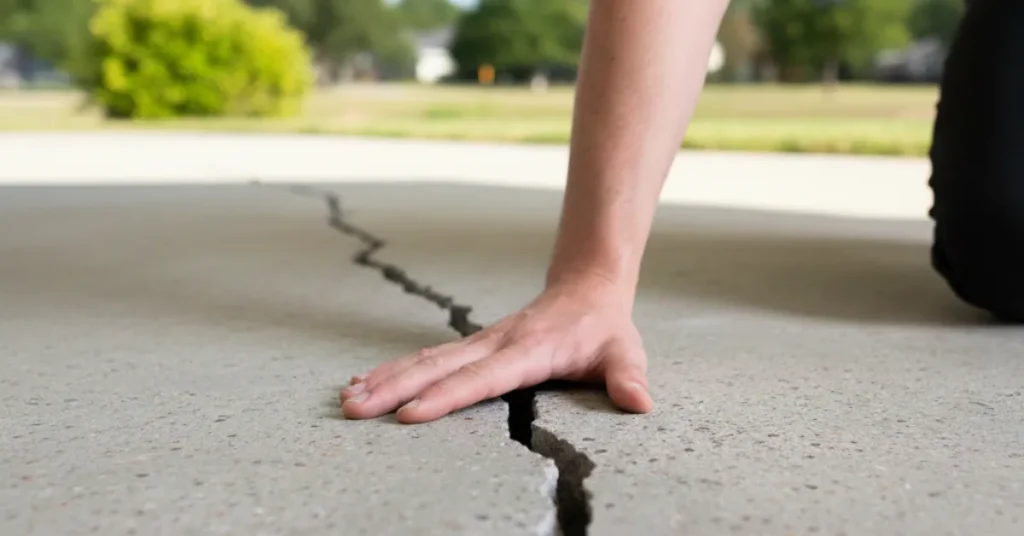
These tiny lines often appear first and may seem harmless. Hairline cracks are usually cosmetic, but they can widen over time if not monitored. They typically appear in new constructions as the concrete cures or in older slabs due to minor settling. Keeping track of these cracks ensures you notice any rapid growth.
Uneven Surfaces and Sinking Areas
When parts of the slab start to sink or feel uneven underfoot, it’s a red flag. Even minor dips can lead to pooling water, increasing the risk of damage. Uneven floors often indicate soil erosion, improper compaction during construction, or water issues beneath the slab.
Stains or Moisture Pockets
Water damage is a common culprit behind slab deterioration. If you spot dark stains, damp patches, or mold forming near cracks, this could indicate moisture seeping under the concrete. Moisture not only accelerates cracking but can also lead to structural instability if left untreated.
Maintenance Tips to Prevent Cracks from Worsening
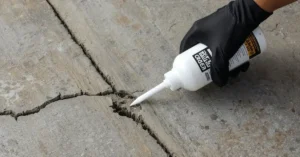
- Seal small cracks promptly with high-quality concrete sealant
- Ensure proper drainage around the slab to prevent water accumulation
- Avoid placing extremely heavy objects on the slab unnecessarily
- Conduct routine inspections, especially after harsh weather conditions
- Consider professional assessment if multiple cracks appear or if they widen quickly
Proactive maintenance extends the lifespan of your concrete and keeps repair costs manageable.
When to Seek Professional Concrete Slab Repair
Persistent or Expanding Cracks
If cracks continue to grow despite minor repairs, it’s time to call in the experts. Persistent cracking often points to structural issues that require professional intervention. Concrete slab repair specialists can assess whether leveling, reinforcement, or full replacement is necessary.
Cracks Near Foundation or Load-Bearing Areas
Cracks in areas supporting significant weight demand immediate attention. Ignoring these could compromise the foundation or even the structural integrity of the building. Professional concrete slab repair ensures safety and prevents further damage.
Signs of Water Damage or Mold
Visible mold or recurring damp spots near cracked slabs indicate water infiltration, which is difficult to address with DIY solutions alone. Professionals have the tools and expertise to properly seal, repair, and prevent further water-related damage.
Tips for Choosing a Reliable Concrete Repair Service
- Look for licensed and insured companies with strong customer reviews
- Ask about experience with both residential and commercial slabs
- Request a detailed assessment and written estimate before starting work
- Ensure they use quality materials and modern repair techniques
Hiring a reputable service guarantees long-lasting repairs and peace of mind.

Short FAQ Section
What causes concrete slabs to crack so quickly?
Rapid cracking is often due to poor installation, insufficient curing, soil movement, or heavy loads. Environmental factors like freezing temperatures and water pooling also contribute. Professional concrete slab repair can address underlying structural problems.
Can hairline cracks lead to bigger issues?
Yes, hairline cracks may seem minor but can expand over time due to stress, moisture, or environmental factors. Monitoring and early sealing can prevent the need for extensive repairs.
How much does concrete slab repair usually cost?
The cost varies depending on the extent of damage, slab size, and repair method. Minor surface repairs are more affordable, while structural issues require more extensive work. A professional assessment provides an accurate estimate.
How often should I inspect my concrete slabs?
Regular inspections are recommended at least twice a year, especially after harsh weather or heavy use. Early detection of cracks can save money and prevent safety hazards.
Are DIY concrete slab repairs effective?
DIY solutions work for small, superficial cracks but are not reliable for structural issues. Professional concrete slab repair ensures proper assessment, materials, and long-lasting results.
Conclusion
Concrete slabs are durable, but cracks are an inevitable part of aging and environmental stress. Spotting early warning signs such as hairline cracks, uneven surfaces, and water damage can prevent expensive repairs and safety risks. Routine maintenance, proper drainage, and monitoring ensure your concrete stays strong and stable. When cracks persist or appear in critical areas, professional concrete slab repair is essential for lasting results. For reliable and thorough service, Mouton Concrete Slab Services can assess, repair, and protect your slabs, keeping your property safe and solid for years to come.