When it comes to building a home, the foundation is everything. A weak foundation can lead to uneven floors, cracks in walls, and costly issues down the line. That is why a professionally engineered slab foundation is increasingly popular among homeowners and builders alike. Using an engineered concrete slab provides superior strength, durability, and stability for residential construction, ensuring your home stands the test of time. Unlike traditional concrete slabs, engineered slabs are designed with precise calculations to handle soil conditions, load-bearing requirements, and environmental factors.
What is an Engineered Concrete Slab?
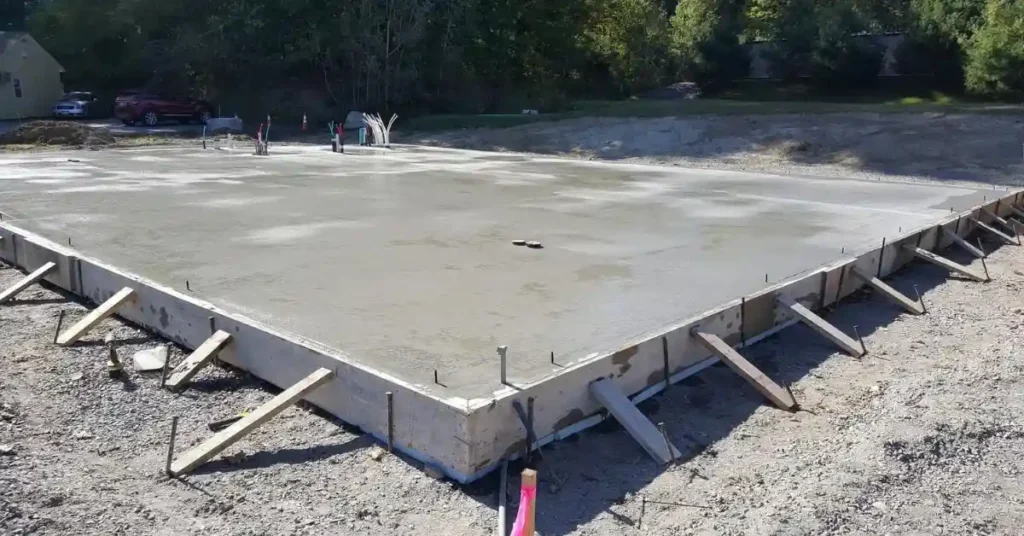
An engineered concrete slab is more than just poured concrete. It is a structural system designed specifically for the building it supports. Engineers consider soil composition, load distribution, and climate conditions before creating a slab that meets the exact needs of the house. The reinforcement within these slabs, such as steel mesh or rebar, is strategically placed to resist cracking, settling, or shifting over time.
Key Features of Engineered Slabs
- Load-bearing precision: Each slab is tailored to carry the expected weight of the structure and furniture.
- Durability: Resistant to moisture, temperature changes, and natural settling.
- Reduced maintenance needs: A well-designed slab minimizes uneven floors or stress on the walls.
- Versatility: Suitable for a variety of soil types and home designs.
Using an engineered slab foundation for houses ensures long-term stability and peace of mind. It is not just concrete; it is a system designed to protect your investment.
Benefits of Choosing an Engineered Slab Foundation
Building on a standard slab may seem cost-effective, but it often comes with risks. A professionally engineered slab foundation mitigates those risks and offers multiple advantages.
Enhanced Structural Integrity
Engineered slabs are designed to distribute weight evenly across the foundation. This reduces the likelihood of cracks or shifts over time. Homes built on these slabs can withstand heavier loads, including modern construction elements like large kitchen islands, multiple bathrooms, and second-story additions.
Adaptability to Soil Conditions
Not all soil is created equal. Clay, sand, and loam each behave differently under pressure. Engineered concrete slabs are tailored to compensate for soil movement, ensuring your foundation remains level even in challenging conditions.
Faster Construction with Reliability
While standard foundations may require additional inspections and adjustments, engineered slabs are calculated in advance, allowing for quicker installation. Contractors can confidently build knowing the foundation has been optimized for performance.
Cost Efficiency Over Time
Although engineered slabs may have a higher upfront cost, they reduce the need for corrective adjustments later. The stability and longevity of these slabs protect your home and investment.
How Engineered Slabs Improve Safety
Safety is not just about avoiding accidents during construction. A solid foundation also impacts the structural safety of your entire home.
Minimizing Cracks and Settling
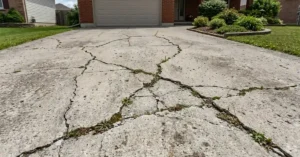
Cracks in walls or floors are often caused by uneven settling. Engineered slab foundations for houses are designed to counteract this, providing uniform support across the entire footprint of your home.
Earthquake and Weather Resilience
In regions prone to earthquakes, flooding, or shifting soil, engineered slabs offer superior resilience. Their precise reinforcement and load distribution reduce the chances of structural failure, giving homeowners peace of mind.
Reducing Moisture and Pest Issues
Properly designed slabs include vapor barriers and drainage considerations. This prevents moisture buildup under the home, which can attract pests or cause mold growth.
Materials and Techniques in Engineered Concrete Slabs
The strength of an engineered slab comes from both materials and installation methods.
Reinforcement Options
- Steel rebar: Commonly used to strengthen the slab against tensile stress.
- Wire mesh: Distributes stress more evenly across the concrete surface.
- Fiber reinforcement: Adds extra durability and reduces cracking.
Pouring and Curing Process
An engineered concrete slab is carefully poured to precise dimensions. Engineers ensure proper compaction and curing times, allowing the slab to reach maximum strength without premature cracking.
Integration with Utilities
Modern slabs are often designed with pre-planned channels for plumbing and electrical systems. This reduces the need for intrusive modifications later and ensures everything is properly supported.
Maintenance Tips for Longevity
Even the best-engineered slab benefits from some care. Simple steps can extend its lifespan:
- Ensure proper drainage around the foundation to prevent water accumulation.
- Avoid planting large trees too close to the house to reduce soil movement.
- Inspect visible edges of the slab for minor cracks and address them promptly.
- Keep heavy machinery or equipment off the slab during construction of landscaping or external structures.
These steps, combined with the inherent strength of an engineered slab, help maintain a safe and stable home for decades.

Common Questions About Engineered Concrete Slabs
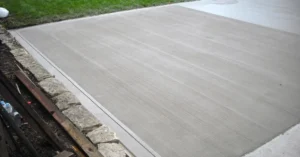
What makes an engineered slab foundation different from a standard slab?
An engineered slab foundation for houses is specifically designed by engineers to match soil conditions, weight requirements, and environmental factors, unlike a standard slab which is more generic.
Are engineered slabs suitable for all types of soil?
Yes, engineered concrete slabs are tailored to accommodate various soil types, including clay, sandy, or loamy soil, ensuring stability in any condition.
How long does it take to install an engineered concrete slab?
Installation is relatively quick since the slab is designed in advance. Most residential foundations can be completed in a few days with proper planning.
Do engineered slabs prevent cracks completely?
While no slab is entirely immune, professionally engineered slab foundations significantly reduce cracking and settling by distributing loads evenly.
Is an engineered slab foundation more expensive than a standard slab?
The initial cost may be higher due to customization and reinforcement, but the long-term benefits in durability and reduced structural issues make it cost-effective over time.
Conclusion
Investing in an engineered concrete slab is investing in the stability, safety, and longevity of your home. From precise load distribution to adaptability to soil conditions, these slabs outperform standard foundations in almost every aspect. Choosing an engineered slab foundation for houses ensures your home remains solid, safe, and comfortable for years to come. For homeowners looking to combine strength with peace of mind, trusting professionals like Mouton Concrete Patios guarantees expert design, quality materials, and reliable installation. A well-engineered foundation is the cornerstone of a strong home, and starting with the right slab makes all the difference.