
Concrete scaling is one of the most common issues for homeowners. It happens when the surface of the concrete peels or flakes away. Scaling often results from freeze and thaw cycles during cold weather seasons. Deicing salts used on driveways and walkways also make the problem worse. This leads to weakened surfaces that are unsafe and unattractive. Many homeowners wonder how to fix concrete scaling in the most effective way. It is important to know the exact cause before taking steps. Identifying whether scaling is shallow or deep will guide your repair method. Without repair, the damage may spread and require complete replacement soon. Professional techniques help restore a smooth, durable surface that lasts for years.
Professional Help with Concrete Scaling
When you first notice scaling issues, it is smart to act. Delaying repairs usually causes the damage to expand and become harder. Many homeowners turn to local experts for dependable and lasting results. Companies like Mouton Concrete Services & Contracting provide trusted solutions for scaling damage. They bring skills equipment and tested methods that homeowners cannot easily achieve. Experts quickly check the extent of damage and suggest the best repair options. They will also tell you if patching or resurfacing is needed. This saves time and money and gives peace of mind with safe work. Getting professional help means the job is done right and lasts. But if you want to learn how to fix concrete scaling yourself, there are steps to follow.
Causes Behind Scaling on Concrete Driveways
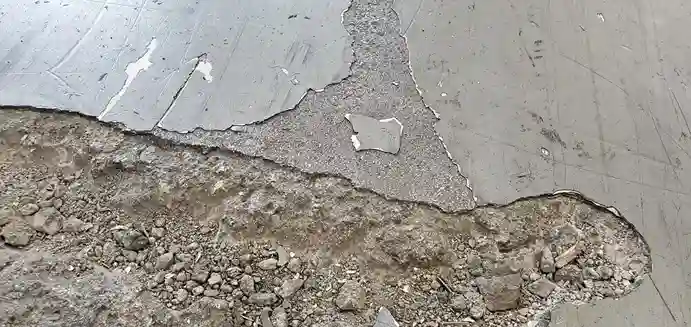
Concrete scaling does not happen overnight but develops over long periods. The most common cause is moisture that enters the surface layers. During cold seasons this moisture freezes and then expands under pressure. This cycle repeats and makes the surface peel and break apart. Another reason is using a low-quality concrete mix during installation stages. Poor finishing methods or not curing properly will also create weak areas. Excessive use of deicing chemicals during snow adds stress to the driveway. Heavy traffic from vehicles can worsen small cracks and scaling spots quickly. Knowing these reasons helps you decide how to fix concrete scaling effectively. Prevention always begins with a better understanding of what created the initial issue.
Step One: Cleaning the Damaged Area
The first step when learning how to fix concrete scaling is cleaning. Remove loose particles and debris with a stiff brush or pressure washer. Cleaning ensures the repair material bonds well with the original concrete surface. Dirt grease and old sealers block the new overlay from sticking properly. Make sure the surface is free of dust before applying repair compounds. If you skip this step, the new layer may peel again soon. A clean surface also helps you see the depth of existing damage. Once the area is ready, you can apply patching or resurfacing material. Proper preparation often makes the difference between a lasting or failing repair. Spend enough time on this step to secure long-term driveway results.
Step Two: Applying a Bonding Agent
The next important step on how to fix concrete scaling is bonding. Concrete patching products require a bonding agent to hold firmly to surfaces. This material acts as glue between the old and new concrete layers. Without it the repair may not last through weather and traffic pressures. Brush or spray the bonding agent evenly across the cleaned damaged surface. Wait until it becomes tacky but not fully dry before applying the patch. This ensures the patch sticks strongly and prevents further peeling in the future. Many bonding agents are easy to apply and dry quickly within minutes. Always follow product instructions carefully for best outcomes and durable driveway strength. Once complete, you are ready for adding resurfacing mix or patch product.
Step Three: Resurfacing the Concrete Driveway
Resurfacing is a common method for how to repair concrete scaling issues. It involves spreading a thin layer of special concrete resurfacer on top. This layer fills damaged areas and creates a fresh, smooth new surface. Mix the resurfacer according to the directions and keep the consistency uniform. Use a long-handled squeegee to spread the material evenly everywhere. Work quickly because the resurfacer starts setting within about twenty minutes. Be sure to cover all damaged spots while keeping a smooth, level finish. Once applied, keep the driveway damp for proper curing of the new surface. This prevents cracks and makes the new layer stronger over the years. Resurfacing restores the driveway’s appearance and increases its durability under heavy use.
Sealing for Future Protection
The final step for how to repair concrete scaling is sealing protection. A quality sealer prevents water salt and chemicals from damaging surfaces again. Sealers act as a barrier that blocks harmful elements from entering concrete pores. Apply sealer with a roller or sprayer evenly across the repaired driveway. Most sealers need at least two coats for complete and lasting coverage. Allow each coat to dry before adding the next one carefully. Regular sealing every two or three years maintains strong and smooth concrete. This step is simple and affordable and protects your investment for the future. Without sealing, the repaired driveway may face the same scaling problems soon. Consistent maintenance saves homeowners from expensive replacements and major structural repair needs.
Preventing Scaling in New Concrete
Knowing how to repair concrete scaling is valuable, but prevention is better. When pouring new driveways, make sure the concrete mix is high quality. Proper curing for at least seven days ensures strong, durable finished surfaces. Avoid using deicing chemicals during the first winter after the installation process. Instead, use sand for traction because it is safer for concrete surfaces. Keep the driveway clean by removing snow or water quickly in winters. Regular sealing also helps prevent moisture and salts from entering easily. Choose experienced contractors who follow correct mixing finishing and curing standards closely. This prevents weak layers that usually cause peeling and flaking problems later. Prevention methods cost less and give you many years of safe driveways.
For trusted and professional concrete repair services, visit our Google Business Profile to learn more or schedule an appointment.
FAQs
1. What causes concrete scaling on driveways?
Scaling usually happens when moisture gets into the concrete and freezes during winter. Freeze-thaw cycles, deicing salts, poor curing, and low-quality concrete mixes all contribute to surface peeling.
2. Can concrete scaling be repaired without replacing the whole driveway?
Yes. If the damage is shallow, cleaning, bonding, and resurfacing can restore the surface. Deep or widespread scaling may require professional evaluation, but replacement is not always necessary.
3. How do I fix concrete scaling myself?
Start by cleaning the area, apply a bonding agent, and then use a resurfacing mix to rebuild the damaged surface. Finish by sealing the driveway to protect it from future moisture and chemical exposure.
4. How can I prevent concrete scaling in the future?
Use a high-quality mix during installation, ensure proper curing, avoid harsh deicing chemicals, and apply a protective sealer every few years. Good maintenance greatly reduces future scaling.
5. When should I call a professional for concrete scaling repair?
If scaling covers large areas, if the damage is deep, or if you’re unsure about the cause, contacting a professional is the safest choice. Experts can assess the issue accurately and provide long-lasting repair.