A masonry wall is one of the most durable and versatile elements in construction. From residential homes to commercial buildings, these walls provide stability, fire resistance, and aesthetic appeal. However, without proper reinforcement, even the sturdiest masonry wall can develop cracks or weaken over time. Reinforcing masonry walls ensures long-term durability, safety, and protection against environmental stressors.
Understanding the Basics of Masonry Wall Construction
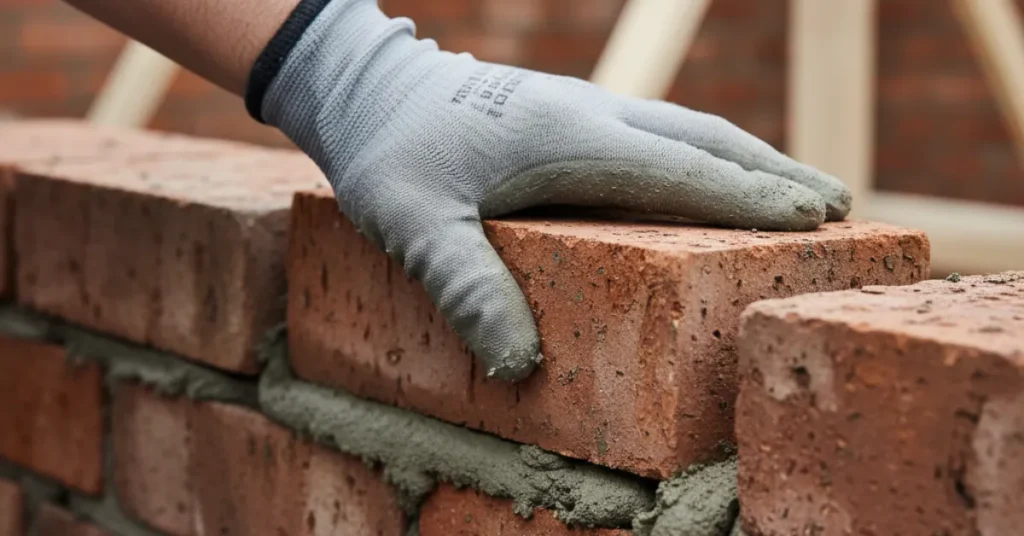
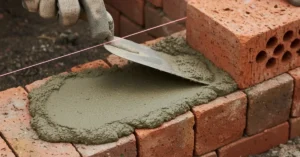
Masonry wall construction involves assembling individual units like bricks, blocks, or stones with mortar to create a solid structure. The quality of materials and craftsmanship directly impacts the wall’s strength. Brick masonry walls, for example, rely on both the interlocking of bricks and the adhesive strength of mortar to resist pressure. Masonry wall blocks offer another option, allowing for quick construction while maintaining structural integrity. Proper construction techniques, such as staggered joints and correct curing of mortar, play a critical role in reducing cracks and preventing long-term damage.
Reinforcement starts at the planning stage. Engineers and builders must consider load-bearing requirements, environmental conditions, and expected lifespan. Even small lapses, like improper alignment or using low-quality mortar, can lead to early deterioration. Incorporating reinforcement from the start ensures the wall remains solid and functional for decades.
Common Causes of Masonry Wall Damage
Identifying why a masonry wall develops problems is the first step in reinforcement. Cracks, bulging, or moisture penetration can compromise a wall’s structural integrity.
Structural Stress and Settling
Buildings naturally settle over time, and uneven foundation movement can cause brick masonry walls to crack. Load-bearing walls are particularly vulnerable if they are not reinforced properly with steel or mesh.
Environmental Factors
Moisture, freeze-thaw cycles, and exposure to harsh weather conditions can erode mortar joints and weaken masonry wall blocks. Over time, water infiltration can lead to severe cracks and potential collapse if not addressed.
Poor Construction Practices
Substandard masonry wall construction, such as using irregular bricks, inconsistent mortar application, or inadequate curing, often results in structural weaknesses. Reinforcement techniques help compensate for these issues and enhance durability.
Effective Techniques to Reinforce Masonry Walls
Reinforcing a masonry wall requires a combination of modern methods and practical strategies.
Steel Reinforcement
Steel bars, commonly known as rebar, are embedded within masonry wall blocks to increase tensile strength. Vertical and horizontal reinforcement ensures the wall can withstand heavy loads and resist cracking caused by structural stress.
Mesh and Wire Reinforcement
Galvanized wire mesh or welded wire fabric can be incorporated into mortar joints or plaster layers. This technique distributes pressure evenly across the wall and reduces the risk of hairline cracks.
Concrete Grouting
Filling masonry wall cavities with high-strength concrete grout improves stability and prevents voids that weaken the structure. Grouting is particularly effective in hollow block walls or areas prone to seismic activity.
Epoxy Injection for Cracks
For existing walls with damage, masonry wall crack repair using epoxy injection is a reliable method. It bonds the cracked surfaces, restoring both strength and aesthetic appearance. Epoxy ensures that walls remain safe and functional without requiring complete reconstruction.
Maintenance Tips to Extend Masonry Wall Life
Maintaining reinforced masonry walls is just as important as the initial construction. Regular inspections can catch minor issues before they become major problems.
- Inspect mortar joints annually and repair any erosion or gaps.
- Seal external brick masonry walls to prevent water penetration.
- Monitor for signs of bulging, leaning, or unusual cracks.
- Clear vegetation or debris that may trap moisture against the wall.
- Reapply protective coatings on masonry wall blocks as needed.
Consistent maintenance not only extends the life of masonry walls but also reduces long-term repair costs.
Modern Innovations in Masonry Wall Reinforcement
Construction technology continues to evolve, offering new ways to strengthen masonry walls. Fiber-reinforced polymers, for example, are increasingly used to enhance wall flexibility without adding significant weight. These materials are particularly effective in regions with seismic activity.
Engineers also integrate advanced adhesives and mortars with high bonding capacity to reduce the risk of cracks. Combining these innovations with traditional methods like steel reinforcement and grouting ensures walls remain durable under extreme conditions.
Choosing the Right Professionals
The best results come from hiring skilled contractors who understand both traditional and modern masonry techniques. Professionals ensure that every step, from masonry wall construction to reinforcement and maintenance, follows industry standards. Expert guidance helps prevent common mistakes like improper alignment, low-quality materials, or inadequate curing that could compromise wall strength.

Frequently Asked Questions
How can I tell if my masonry wall needs reinforcement?
Signs include visible cracks, bulging areas, leaning walls, or water damage. A professional inspection can determine the best reinforcement approach.
What is the most durable type of masonry wall?
Brick masonry walls and reinforced masonry wall blocks are highly durable. Combining these with steel or mesh reinforcement improves longevity.
Can I repair cracks in a brick masonry wall myself?
Minor cracks can be filled with masonry sealant, but significant damage requires professional masonry wall crack repair to ensure structural integrity.
Are reinforced masonry walls resistant to earthquakes?
Yes, especially when reinforced with steel bars, mesh, or fiber-reinforced polymers. Proper reinforcement improves flexibility and load distribution during seismic activity.
How often should I maintain my masonry wall?
Regular inspections should be done annually, with maintenance like mortar repair, sealing, and debris removal as needed. Proper upkeep prevents deterioration and costly repairs.
Conclusion
Reinforcing a masonry wall is essential for ensuring long-term strength, safety, and durability. Whether constructing a new brick masonry wall or repairing existing masonry wall blocks, integrating steel reinforcement, mesh, and modern grouting techniques guarantees better performance under stress. Routine maintenance, coupled with professional assessment, extends the life of your walls and prevents costly future repairs. For reliable guidance and expert reinforcement solutions,Call Mouton Concrete Services Experts to ensure your masonry walls stand strong for decades.