Maintaining a smooth, safe sidewalk can feel like a daunting task, especially when cracks and uneven surfaces appear. Whether it’s a minor chip or a more serious break, repairing concrete sidewalk areas not only improves safety but also enhances your home’s curb appeal. From small fixes to more extensive concrete sidewalk repairs, following a step-by-step approach ensures long-lasting results and prevents further damage over time. In this guide, we’ll explore how to address your sidewalk issues confidently and efficiently.
Assessing the Condition of Your Sidewalk
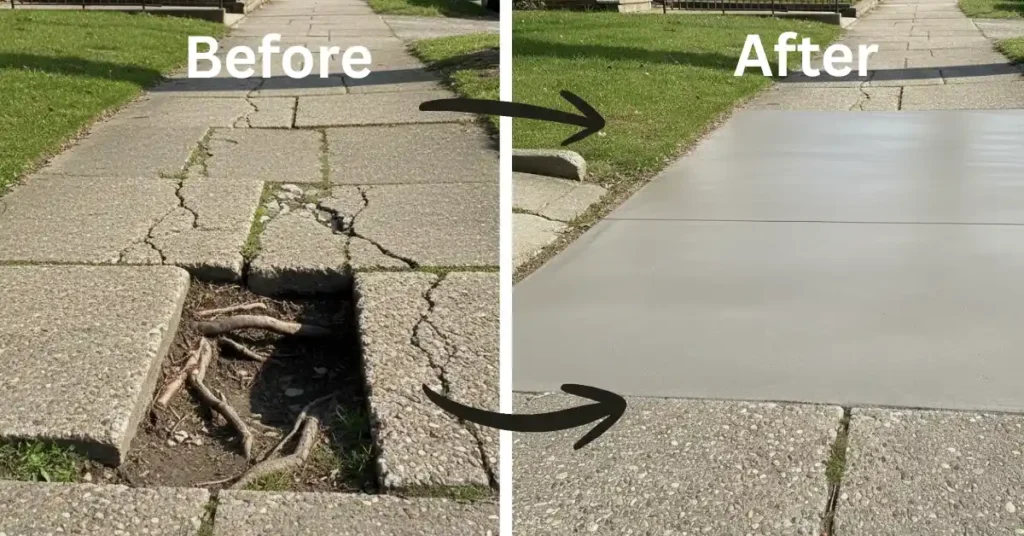
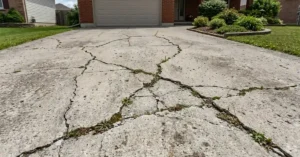
Before any project begins, carefully evaluating the sidewalk is crucial. Look for visible cracks, chipped edges, or uneven slabs. Repairing a broken concrete sidewalk usually starts with identifying problem areas and understanding what caused them.
Common issues include:
- Tree roots lifting the concrete
- Soil erosion beneath the sidewalk
- Heavy traffic or vehicles stressing the surface
- Weather effects like freeze-thaw cycles
Noticing these issues early can help you prioritize repairs and reduce long-term costs. Taking the time to assess the sidewalk properly is the first step in repairing concrete sidewalk surfaces effectively.
Gathering Tools and Materials
Having the right tools ensures a smoother process and professional-looking results. Essential items include:
- Safety gloves and eye protection
- Chisel and hammer to remove loose concrete
- Concrete mix or patching compound
- Trowel and float for smoothing
- Brush for finishing touches
Choosing a high-quality concrete mix is important for concrete repairs home sidewalk projects. Some quick-set mixes work well for minor cracks, while larger areas require standard concrete. Proper tools and materials reduce mistakes and make repairing sidewalk concrete more efficient.

Preparing the Sidewalk Surface
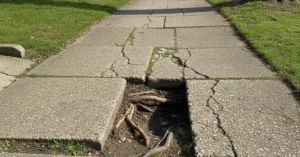
Preparation is often overlooked, but it determines the success of your work. Clean the sidewalk thoroughly to remove dirt, debris, and loose pieces. A stiff brush or pressure washer works well.
Next, remove any crumbling edges around cracks using a chisel and hammer. Undercutting the sides slightly for deep cracks creates a stronger bond. Moistening the area before applying the concrete mix helps prevent premature drying. These steps ensure the best results when repairing concrete sidewalk.
Applying the Concrete Mix
After preparation, it’s time to fill in the damaged areas. Small cracks can be filled with patching compound, while larger slabs may need fresh concrete.
When applying the mix:
- Press the material into the crack or damaged section using a trowel
- Smooth the surface to match surrounding concrete
- Feather edges for a natural look
Work carefully and follow the curing instructions. Proper application is key for repairing concrete sidewalk areas that will endure foot traffic and weather conditions for years.
Finishing Touches and Maintenance
Once the concrete sets, finishing touches improve appearance and durability. Lightly brushing the surface adds a non-slip texture. Applying a sealant protects against water, dirt, and weather damage.
Regular maintenance is also essential:
- Clear debris and leaves
- Avoid harsh de-icing chemicals
- Inspect the sidewalk after heavy rains or winter freeze
These small actions help prevent future concrete sidewalk repairs and maintain a smooth, attractive walkway.
Safety Tips While Working
Handling concrete requires caution. Always wear gloves, eye protection, and a dust mask. Ensure good ventilation when working in enclosed areas.
Be careful moving heavy slabs or tools, as slips can cause injury. Following safety precautions makes repairing concrete sidewalk safer and ensures a smooth, uninterrupted workflow.
FAQs
How do I fix small cracks in my sidewalk concrete?
For minor cracks, clean the area and use a patching compound designed for repairing sidewalk concrete. Smooth it to match surrounding surfaces.
Can I replace a section of my sidewalk myself?
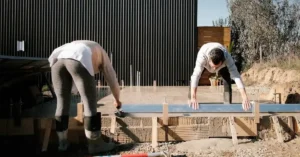
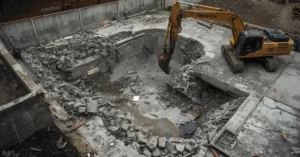
Yes, with proper tools, you can remove damaged slabs and pour fresh concrete. This is common for concrete repairs home sidewalk projects where larger sections are uneven or broken.
How long does concrete take to set after filling cracks?
Most concrete mixes are set enough for foot traffic within 24 to 48 hours. Full curing may take up to 7 days, depending on weather and product instructions.
What causes sidewalks to crack or sink?
Cracks and sinking often result from soil erosion, tree roots, heavy vehicles, and freeze-thaw weathering. Knowing the cause helps prevent recurring damage when repairing a broken concrete sidewalk.
Should I seal my sidewalk after filling cracks?
Sealing is recommended to protect the sidewalk from water, ice, and dirt, ensuring long-lasting results after repairing concrete sidewalk projects.

Conclusion
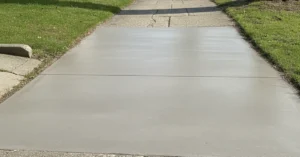
Maintaining a smooth, safe sidewalk doesn’t need to be overwhelming. By assessing the damage, preparing the surface carefully, applying the correct materials, and following proper finishing steps, you can restore your walkway to a safe and attractive condition. Consistent maintenance ensures durability and prevents frequent concrete sidewalk repairs.
For professional guidance or more extensive work, Mouton Concrete Sidewalks Repair Services offers expert solutions to keep your sidewalk durable, safe, and visually appealing. Start today to protect your sidewalk and improve your home’s exterior.