Concrete demolition and removal work is tough, gritty, and far from simple. Beyond the obvious physical labor, there are a host of risks that professionals face every day. Whether it’s handling heavy machinery, dealing with dust, or managing unstable structures, knowing the dangers can save time, money, and even lives. Understanding these risks isn’t just about safety regulations, it’s about practical preparation for anyone involved in the industry.
Physical Injuries from Heavy Equipment
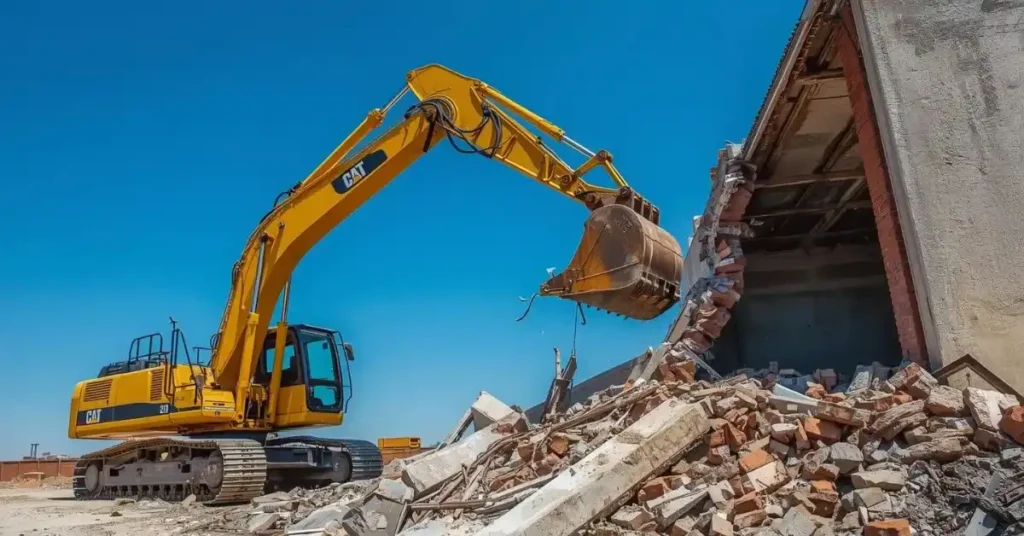
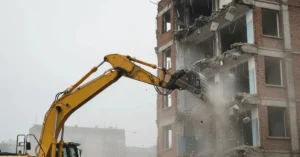
One of the most immediate risks in concrete demolition and removal jobs comes from the machinery itself. Jackhammers, hydraulic breakers, and excavators may look harmless when you watch videos online, but operating them is physically demanding and potentially dangerous.
Strains, Sprains, and Muscle Fatigue
Workers often lift, carry, and maneuver heavy concrete pieces. Even with proper technique, repetitive motion can lead to chronic back problems, sprains, and torn muscles. For instance, moving a single slab without assistance might seem trivial, but repeated over hours, it can take a serious toll.
Accidents with Power Tools
Misuse or malfunction of power tools can result in cuts, bruises, or even broken bones. Safety gloves, steel-toed boots, and eye protection are non-negotiable. Regular inspections and proper training reduce these hazards significantly.
Exposure to Dust and Hazardous Materials
Concrete dust isn’t just annoying, it’s a major health risk. Tiny particles can linger in the air, posing long-term dangers if inhaled consistently.
Respiratory Issues
Silica dust, present in most concrete, can lead to lung diseases such as silicosis and chronic bronchitis. Wearing high-quality respirators and ensuring proper ventilation during demolition is essential.
Chemical Exposure
Some older concrete contains additives like asbestos or lead-based compounds. Encountering these materials without proper precautions can lead to serious illness. Testing and careful removal protocols are crucial to avoid contamination.
Structural Instability and Falling Debris
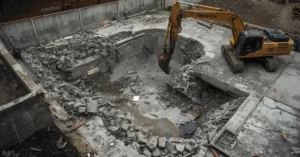
Working around partially demolished structures introduces the constant danger of unexpected collapses. Even a small shift in a wall or beam can send concrete chunks hurtling toward workers.
Unstable Surfaces
Walking on uneven slabs or debris piles increases the risk of slips and falls. Non-slip footwear, safety harnesses, and constant awareness of your surroundings are vital.
Falling Objects
Tools, equipment, or broken concrete can fall from height without warning. Hard hats, barricades, and secure storage for loose items help reduce injuries. Mouton Concrete Demolition Services emphasizes planning and securing all areas before any heavy demolition begins.
Noise and Vibration Hazards
Concrete demolition is loud. Beyond the immediate annoyance, constant exposure to high-decibel environments can lead to permanent hearing loss.
Hearing Damage
Prolonged exposure to machinery like jackhammers can damage hearing if protective earmuffs or plugs are not worn consistently.
Vibration-Related Injuries
Operating vibrating tools for long periods can cause hand-arm vibration syndrome, resulting in numbness, pain, and reduced grip strength. Scheduling regular breaks and rotating tasks can prevent these issues.
Environmental and Site-Specific Risks
Every demolition site has its own unique challenges. Weather, terrain, and nearby structures all play a role in risk assessment.
Weather Conditions
Rain, ice, or extreme heat can make surfaces slippery or machinery harder to control. Planning demolition around favorable conditions improves both safety and efficiency.
Confined Spaces
Demolishing concrete in basements, tunnels, or tight urban areas introduces limited escape routes in emergencies. Workers must follow strict protocols and have clear evacuation plans in place.
Fatigue and Human Error
Even the most experienced workers are susceptible to mistakes when overworked or distracted. Fatigue can impair judgment, slow reaction times, and increase the likelihood of accidents.
Long Shifts and Physical Exhaustion
Extended work hours can lead to careless handling of tools or overlooking safety procedures. Breaks, hydration, and realistic scheduling are critical.
Mental Focus
Concrete demolition and removal requires constant attention. Misjudging a slab’s stability or mishandling machinery can have serious consequences. Training and team communication reduce these errors significantly.

FAQs
What protective gear is essential for concrete demolition and removal?
Workers should wear hard hats, steel-toed boots, high-quality respirators, safety glasses, gloves, and hearing protection to guard against the most common hazards.
How can I prevent dust inhalation during concrete removal?
Using wet cutting techniques, proper ventilation, and respirators helps minimize the inhalation of harmful silica dust.
Are there risks with old concrete structures?
Yes. Older concrete may contain asbestos, lead, or other hazardous materials. Testing and following proper removal protocols is necessary to prevent exposure.
How do machinery vibrations affect workers?
Prolonged use of vibrating tools can cause hand-arm vibration syndrome, leading to numbness, pain, and reduced hand function. Rotating tasks and scheduled breaks help prevent this.
Can weather affect demolition safety?
Absolutely. Rain, ice, or extreme heat can create slippery surfaces, affect machinery operation, and increase accident risks. Scheduling work in favorable conditions is recommended.
Conclusion
Concrete demolition and removal jobs are physically demanding and carry a variety of risks, from heavy machinery injuries to hazardous dust exposure. Understanding these dangers and taking proactive safety measures is not just wise, it is essential. Planning, training, protective gear, and team coordination significantly reduce accidents and improve efficiency on every job site. For businesses and property owners seeking professional support, partnering with a trusted company like Mouton Concrete Demolition Services ensures the work is done safely, efficiently, and with a focus on minimizing risks for everyone involved.