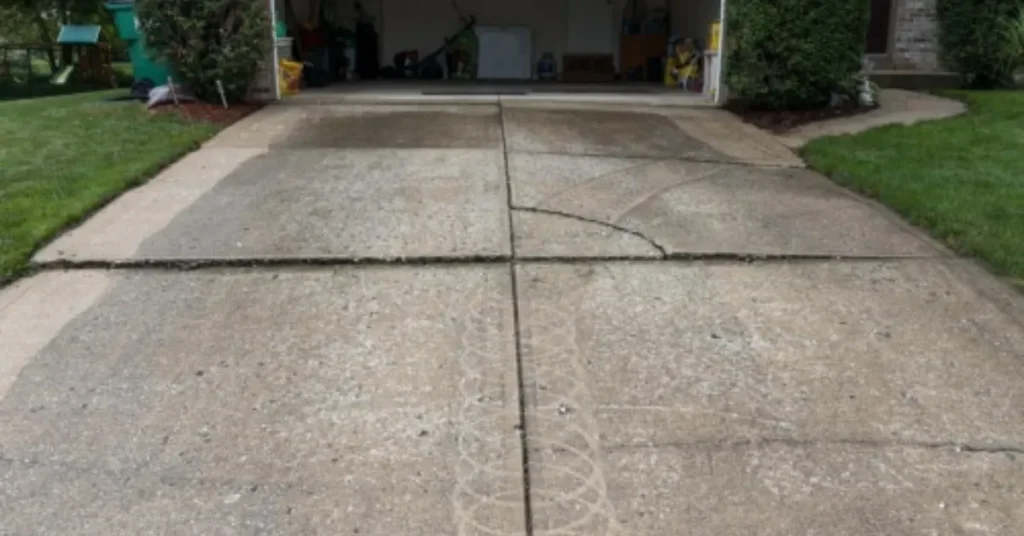
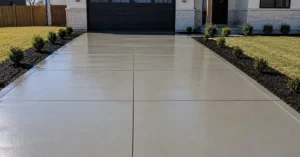
A driveway cracked and sinking can quickly turn from a minor annoyance into a concern for your home’s safety and appearance. Maybe you notice a low spot near the garage, a widening crack, or rainwater collecting where it never used to. These changes deserve attention, especially in coastal areas where soil conditions and heavy rainfall can affect concrete surfaces. Homeowners looking for Sinking Driveway Repair in Taylor Lake Village TX should first understand what is happening beneath the slab. Finding the underlying cause helps determine whether leveling, drainage improvements, or a different solution makes the most sense.
Why Concrete Driveways Sink on Gulf Coast Soil
Gulf Coast soil conditions can create challenges for concrete surfaces. Depending on the property, the ground may contain clay, sandy material, or mixed soils that respond differently to moisture.
Expansive Clay and Changing Moisture Levels
Some clay soils expand when they absorb water and shrink as they dry. Repeated changes in soil moisture can affect the support beneath a concrete driveway. When certain areas lose support, sections of the slab may settle unevenly.
A driveway cracked and sinking may develop after long dry periods followed by substantial rainfall. However, not every settlement problem comes from expansive clay. Local soil composition, construction practices, and drainage patterns also matter.
Weak Soil Preparation
Concrete needs a properly prepared base. If the soil beneath the slab was not compacted adequately before installation, it may compress over time. Loose fill, disturbed ground, and poorly prepared subgrade conditions can contribute to uneven movement.
Understanding these factors helps homeowners look beyond surface cracks and consider the ground supporting the concrete.
Common Signs of Concrete Slab Settlement
Settlement does not always happen suddenly. Sometimes the changes are gradual, making them easy to overlook until the surface becomes noticeably uneven.
Cracks, Dips, and Uneven Sections
Watch for these common warning signs:
• Cracks that become wider or longer over time
• Low spots where rainwater collects
• Slab edges that sit at different heights
• Gaps near the garage entrance
• Concrete sections that appear tilted or sunken
A driveway cracked and sinking may also create an uncomfortable transition between adjoining concrete sections. This can make walking, moving bins, or rolling equipment across the surface more difficult.
When Surface Changes Deserve Attention
Not every crack indicates serious settlement. Concrete naturally changes with temperature and moisture, and some cracking can occur as it cures.
However, sudden movement, increasing height differences, or significant changes around the garage deserve professional assessment. If a slab shifts noticeably or creates a dangerous walking surface, keep people away from the affected area until it can be evaluated.
How Rainfall and Drainage Affect Concrete Settlement
Coastal weather can place additional stress on the soil surrounding a home. Heavy rainfall, poor grading, and water flowing beneath concrete may gradually weaken its support.
Water Erosion Beneath the Slab
When rainwater repeatedly flows toward concrete edges, it may carry fine soil particles away. Over time, this erosion can create empty spaces beneath the slab, leaving sections without consistent support.
A driveway cracked and sinking near a downspout or drainage path deserves a closer look. Water flowing from a roof can concentrate in one location, especially when gutters discharge directly beside the concrete.
Poor Grading and Standing Water
The ground surrounding a home should direct water away from the foundation and other vulnerable areas. Improper grading can cause runoff to collect beside concrete surfaces.
Homeowners can check for obvious drainage concerns, such as clogged gutters, blocked drainage outlets, and water pooling after rain. Correcting these conditions may reduce future soil movement, although drainage improvements alone will not necessarily lift an already settled slab.
Practical Solutions for a Sinking Concrete Driveway
The right approach depends on why the concrete moved, how extensive the settlement is, and whether the slab remains structurally sound.
Concrete Slab Leveling
Concrete leveling may be suitable when a slab is largely intact but has settled because its underlying support has weakened or disappeared.
Depending on site conditions, professionals may use polyurethane foam injection or mudjacking. These methods introduce material beneath the concrete to fill suitable voids and raise selected sections.
Polyurethane foam injection uses expanding material, while mudjacking typically uses a cement based slurry. Neither method is appropriate for every situation. A qualified professional should evaluate slab thickness, cracking, soil conditions, and access before recommending an approach.
When Concrete Replacement Makes More Sense
A driveway cracked and sinking with severe fragmentation, extensive damage, or substantial structural deterioration may not be a good candidate for leveling.
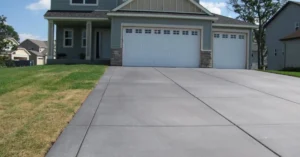
Replacement may be more appropriate when the slab cannot provide reliable performance, the base requires extensive correction, or settlement keeps recurring despite previous work.
The goal should be a stable surface supported by properly prepared ground, rather than simply making the concrete look level for the moment.
Preventing Future Concrete Settlement
Although homeowners cannot control every soil condition, practical maintenance can help reduce unnecessary moisture problems and surface deterioration.
Simple Maintenance Habits
Consider these useful steps:
• Keep gutters and downspouts clear and functional.
• Direct roof runoff toward suitable drainage areas.
• Maintain appropriate grading around concrete surfaces.
• Check for new cracks, dips, and standing water.
• Avoid directing concentrated water flow beneath slab edges.
• Address leaking outdoor water lines promptly.
A driveway cracked and sinking may continue moving if the original cause remains unresolved. Regular observation can help homeowners notice changes before they become more difficult to manage.
Plan for Local Soil Conditions
Soil behavior varies between properties, even within the same neighborhood. Nearby homes may experience different settlement patterns because of grading, soil preparation, drainage, landscaping, or previous construction.
Before major concrete work begins, ask how the proposed solution addresses the specific site conditions. Understanding the plan for water management and ground support is just as important as discussing the visible concrete surface.
Frequently Asked Questions
1. Why is my concrete driveway cracked and sinking?
Common causes include poorly compacted soil, soil erosion, changing moisture levels, expansive clay, and drainage problems. A professional assessment can help identify which conditions are affecting your concrete and determine an appropriate solution.
2. Can a sinking concrete driveway be leveled?
Yes, some settled concrete slabs can be raised using suitable leveling methods. The slab must be in appropriate condition, and the underlying cause should be evaluated before selecting a method.
3. Does heavy rain cause concrete driveway settlement?
Heavy rainfall can contribute to settlement when runoff erodes supporting soil, saturates weak ground, or exposes existing drainage problems. Rain alone does not automatically mean a concrete slab will sink.
4. Is concrete leveling better than replacement?
Concrete leveling may be practical for intact slabs with settlement issues. Replacement can be more suitable for badly damaged concrete or extensive base problems. The best option depends on the condition of the slab and soil.
5. How can I prevent my concrete driveway from sinking again?
Maintain proper drainage, keep gutters clear, correct water pooling, and monitor cracks or uneven areas. Addressing soil and moisture problems can help reduce recurring settlement, although no method guarantees that future movement will never occur.
Conclusion
A driveway cracked and sinking should not be treated as a surface problem alone. Gulf Coast soil conditions, water runoff, erosion, and poor ground preparation can all contribute to uneven concrete. Identifying the cause is the first step toward choosing a lasting solution, whether that means leveling, improving drainage, or replacing damaged sections.
If your concrete surface has developed cracks, dips, or noticeable settlement, take action before the problem becomes more disruptive. Talk to Mouton Concrete Services to discuss your concrete concerns, explore suitable options, and determine the next steps toward a more stable, functional concrete surface.