Brick walls are known for their strength, attractive appearance, and long service life. However, even sturdy masonry can develop visible damage as a property ages. Understanding the Causes of Cracks in Brick Walls helps homeowners recognize early warning signs and determine when professional attention is necessary. In coastal communities, changing moisture levels, shifting soil, and severe weather can affect masonry over time. Homeowners seeking dependable guidance can explore Masonry Repair Services in Manvel, TX when evaluating suitable solutions for damaged brickwork.
What Are the Common Causes of Cracks in Brick Walls?
Several conditions can cause brickwork to crack, and identifying the underlying problem is essential before choosing a solution. Some cracks develop gradually, while others appear after significant changes in soil moisture, weather, or structural loading.
Foundation Settlement and Soil Movement
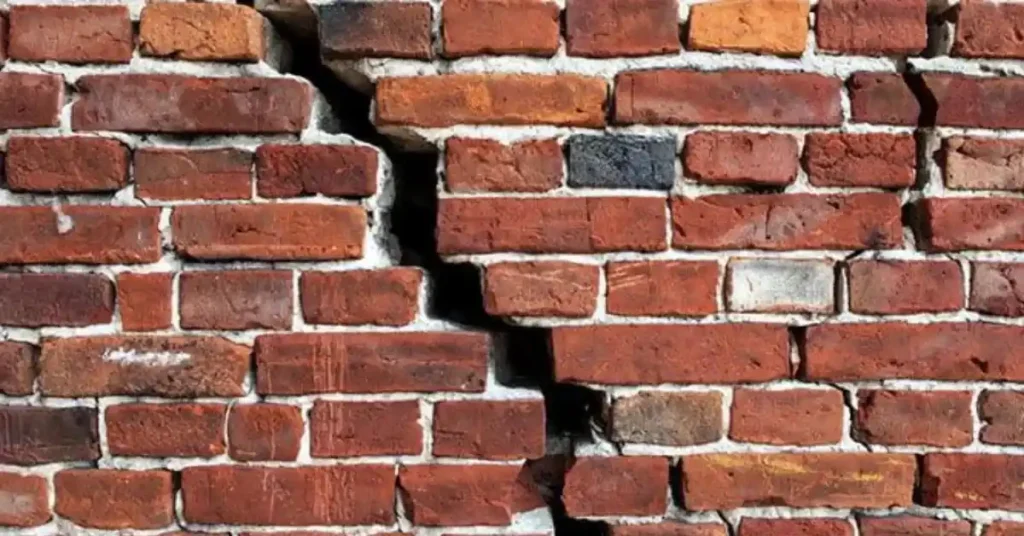
Foundation settlement is one of the most important causes to investigate. When soil beneath a building compresses unevenly or loses support, sections of the foundation may move at different rates. This movement places stress on brick walls, sometimes creating diagonal cracks near windows, doors, and building corners.
Galveston’s coastal environment makes soil and moisture conditions particularly important. Changes in groundwater levels, drainage patterns, and the composition of underlying soil can influence foundation stability.
Temperature Changes and Moisture
Brick and mortar expand and contract as temperatures and moisture conditions change. Over time, repeated movement can contribute to cracking, particularly around openings and joints. Water entering small gaps may also weaken mortar and worsen existing damage.
Recognizing these causes early helps property owners determine whether the problem is limited to the masonry surface or connected to a deeper structural concern.
How Galveston’s Coastal Weather Affects Brick Walls
Coastal weather presents several challenges for masonry buildings. Galveston experiences humidity, heavy rainfall, tropical storms, and exposure to salty air. Although brick is durable, the materials surrounding it can deteriorate when moisture repeatedly enters the wall.
Heavy Rainfall and Poor Drainage
When rainwater collects beside a foundation, the surrounding soil may become saturated. Depending on soil conditions, this can contribute to movement beneath the building. Clogged gutters, poorly positioned downspouts, and ground that slopes toward the property can increase the risk.
Water should drain away from the foundation rather than accumulate near exterior walls. Regularly checking gutters and drainage paths can help reduce unnecessary moisture exposure.
Salt Exposure and Mortar Deterioration
Salt carried by coastal air can contribute to masonry deterioration. Moisture moving through brickwork may transport dissolved salts, which can crystallize as water evaporates. Repeated crystallization can damage brick faces and mortar joints under certain conditions.
These environmental factors are important when evaluating the Causes of Cracks in Brick Walls in coastal neighborhoods. The visible damage may involve weathering, structural movement, or a combination of both.
How to Recognize Different Types of Brick Wall Cracks
Not every crack indicates a serious structural problem. Its direction, width, location, and progression provide useful clues about the underlying condition. However, appearance alone cannot establish a definitive diagnosis.
Hairline and Mortar Joint Cracks
Hairline cracks are narrow openings that may develop as materials age or experience minor movement. Small cracks along mortar joints can sometimes be associated with normal material changes. Nevertheless, continued growth or recurring moisture deserves attention.
Mortar that is crumbling, missing, or separating from adjacent bricks may indicate deterioration that allows additional water to enter the wall.
Diagonal, Stair Step, and Horizontal Cracks
Stair step cracks follow the mortar joints in a pattern resembling steps. They can be associated with differential foundation movement, although other factors may contribute.
Diagonal cracks near windows or doors may indicate localized stress. Horizontal cracks can be more concerning, especially when accompanied by bowing, bulging, or inward movement of the wall.
Homeowners should document changes with dated photographs and seek professional assessment when cracks widen, reappear, or occur alongside sticking doors and uneven floors.
What Solutions Are Available for Damaged Brick Walls?
The appropriate solution depends on the cause, severity, and location of the damage. Applying fresh mortar over a crack without addressing its underlying cause may only provide a temporary improvement.
Repointing Damaged Mortar Joints
Repointing involves removing deteriorated mortar from affected joints and replacing it with compatible new mortar. This can restore the appearance of brickwork and help reduce water penetration when deterioration is limited to the joints.
The replacement mortar should be suitable for the existing brick. Using an excessively hard mortar on older, softer bricks can contribute to damage instead of protecting the wall.
Replacing Damaged Bricks and Addressing Structural Movement
Individual bricks that are severely cracked, loose, or spalled may need replacement. When foundation movement is responsible, an assessment may identify drainage improvements, foundation stabilization, or other measures as necessary.
A qualified masonry professional can determine whether localized work is appropriate or whether a structural specialist should investigate further. Addressing the underlying cause is essential for achieving a durable result.
Understanding Brick Wall Crack Repair Cost
The brick wall crack repair cost depends on several factors, including the extent of the damage, accessibility, materials, labor, and the need for additional structural work. A small area of deteriorated mortar generally requires less work than a wall affected by continuing foundation movement.
Factors That Influence Project Pricing
The main considerations include:
- The number of damaged bricks and mortar joints.
- The height and accessibility of the affected wall.
- The compatibility of replacement materials with existing masonry.
- The amount of moisture damage and any necessary drainage improvements.
- Whether foundation assessment or stabilization is required.
A professional inspection can help establish a more accurate project estimate. Homeowners should request a clear explanation of the proposed work, materials, and any additional services that may be needed.
Why a Proper Assessment Matters
The lowest initial estimate may not represent the best long term value if the underlying problem remains unresolved. A suitable assessment helps distinguish cosmetic deterioration from structural movement and guides decisions about the appropriate scope of work.
Frequently Asked Questions
What are the most common Causes of Cracks in Brick Walls?
Common causes include foundation settlement, soil movement, temperature changes, moisture intrusion, deteriorating mortar, and structural stress around openings. In coastal areas such as Galveston, drainage problems and salt exposure can also contribute to masonry deterioration.
Are cracks in brick walls always a sign of foundation problems?
No. Some cracks result from aging mortar, temperature changes, or minor material movement. However, widening diagonal cracks, stair step patterns, bulging walls, or sticking doors may indicate structural movement and should receive professional evaluation.
How much does brick wall crack repair cost?
The cost depends on crack severity, damaged materials, wall accessibility, and whether foundation work is necessary. Minor mortar repairs usually involve less labor than extensive masonry replacement or structural stabilization. An on site assessment provides a more reliable estimate.
Can rain and humidity cause brick walls to crack?
Rain and humidity can contribute to masonry deterioration by allowing moisture to enter brickwork and weaken mortar over time. Poor drainage can also affect surrounding soil. These conditions may worsen existing cracks or contribute to other forms of wall damage.
When should a professional inspect cracked brickwork?
Arrange an inspection when cracks continue to grow, appear suddenly, or accompany bulging walls, displaced bricks, water intrusion, or uneven floors. Prompt evaluation helps identify the cause and determine whether localized masonry work or structural attention is necessary.
Conclusion
Cracked brickwork should never be judged by appearance alone. Understanding the Causes of Cracks in Brick Walls allows Galveston property owners to recognize possible warning signs, investigate moisture problems, and choose appropriate solutions. Regular drainage maintenance, timely inspections, and compatible masonry materials can help preserve the strength and appearance of brick walls for years to come.
For professional guidance on damaged concrete and masonry related concerns, Reach Out to Mouton Concrete Services Today to discuss your property’s needs and determine the next steps toward protecting your investment.