Driveway potholes are more than just an eyesore, they can signal deeper structural issues that, if ignored, may damage your Galveston property. Homeowners often overlook common driveway problems until they become a real headache. From cracked concrete to poor drainage, these issues not only affect your curb appeal but can also pose safety risks for vehicles and pedestrians. Understanding the causes, prevention, and repair options is essential for maintaining a smooth, durable concrete driveway.
Understanding the Causes of Concrete Driveway Problems
Concrete driveways are designed to last, but various factors can contribute to their deterioration. Weather extremes, heavy vehicles, and improper installation can all create weaknesses over time.
Cracks and Potholes
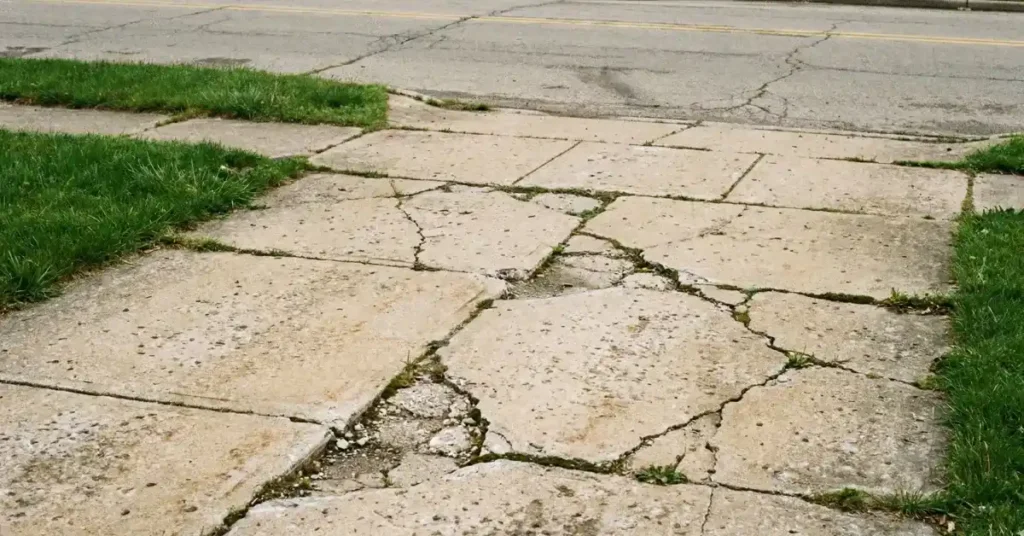
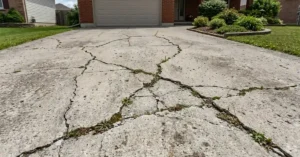
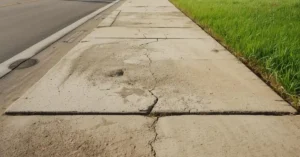
Cracks often develop first, sometimes as small hairline lines, which can quickly expand into potholes if water seeps in and freezes. Once a pothole forms, it accelerates the wear on surrounding areas, creating a domino effect of damage.
Crushed Concrete Issues
Some driveways use crushed concrete as a base, but poor compaction or erosion can cause uneven surfaces. When these crushed concrete layers shift, they compromise the stability of the entire driveway, making potholes and cracks inevitable.
Tackling Driveway Drainage Problems
Water is one of the biggest enemies of a concrete driveway. Poor drainage allows water to pool, weakening the surface and eroding the base.
How Drainage Problems Affect Driveways
Standing water seeps into cracks, expands in freezing temperatures, and gradually pushes the concrete apart. Even in Galveston’s milder winters, heavy rain can create similar erosion issues, especially in low-lying areas.
Solutions for Drainage Issues
- Install proper slopes to guide water away from the driveway
- Consider French drains or surface channels
- Seal cracks promptly to prevent water infiltration
Proper drainage maintenance is critical to avoiding costly repairs down the road.
Side by Side Driveway Problems: Shared Spaces
For homes with multiple vehicles or side by side concrete driveways, uneven wear can become a concern. Heavy vehicles parked in the same spot repeatedly cause depressions and stress points.
Managing Traffic Patterns
Rotating parking locations and avoiding overloading certain sections can prolong the driveway’s lifespan. If depressions already exist, a professional can resurface or patch the affected areas, restoring a smooth finish.
Preventive Measures
- Reinforce heavy-use areas with thicker concrete or additional rebar
- Regularly inspect for early signs of sinking or cracking
Addressing these issues early prevents minor depressions from turning into full-blown potholes.
Repairing Potholes Before They Spread
Potholes never fix themselves. Left unattended, they grow, compromise the concrete’s structural integrity, and increase repair costs.
DIY vs. Professional Repairs
For small, shallow potholes, homeowners can use patching compounds or ready-mix concrete. However, deeper or recurring potholes require professional attention. Experts can remove damaged sections, stabilize the base, and pour new concrete for a long-lasting repair.
Maintenance Tips
- Regularly sweep and wash the driveway to prevent debris accumulation
- Seal the driveway every few years to reduce water penetration
- Inspect after heavy rains or storms for early signs of damage
Preventive care significantly reduces the chance of severe common driveway problems.
Preventing Future Driveway Issues
Once a driveway is repaired, maintaining it properly ensures it stays strong and functional. Small preventive steps save both money and stress.
Routine Inspections
Check for new cracks, uneven spots, or areas where water pools. Catching issues early allows for quick fixes rather than costly overhauls.
Seasonal Considerations
Even in Galveston’s mild climate, summer heat can cause surface expansion, while heavy rainfall can create drainage issues. Keeping an eye on these seasonal stresses is key to a long-lasting driveway.
Quality Materials Matter
Investing in high-quality concrete and proper installation techniques prevents many of the common driveway problems homeowners face. Proper compaction, reinforcement, and surface finishing all contribute to durability.

FAQ Section
What are the most common driveway problems?
Common issues include cracking, potholes, drainage problems, and uneven surfaces caused by shifting crushed concrete bases.
How do crushed concrete driveway problems develop?
Crushed concrete can settle unevenly if not properly compacted, leading to dips, cracks, and eventually potholes that compromise the driveway’s stability.
Can driveway drainage problems be fixed without replacing concrete?
Yes, minor drainage issues can often be addressed by adding slopes, installing drains, or sealing cracks, avoiding the need for full replacement.
What should I do about side by side driveway problems?
Prevent uneven wear by rotating parking spots, reinforcing high-traffic areas, and repairing depressions early to maintain a smooth surface.
How often should I inspect my driveway for damage?
Inspect your driveway at least twice a year and after heavy storms to catch cracks, potholes, or drainage issues before they worsen.
Conclusion
Driveway potholes and related issues are more than a nuisance, they are signs that your concrete driveway may need attention. Understanding and addressing common driveway problems, from drainage concerns to crushed concrete instability, keeps your Galveston home safe and looking its best. Regular inspections, timely repairs, and proper maintenance prevent small cracks from turning into costly disasters. For comprehensive solutions and professional repairs, trusting a team like Mouton Concrete & Driveways ensures your driveway remains durable, functional, and attractive for years to come.