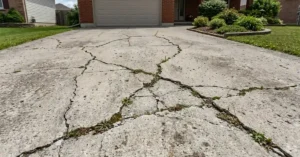
Planning a new concrete driveway is exciting, but it starts with proper groundwork. Driveway excavation and concreting are the foundation of a durable and long-lasting surface. Skipping steps or rushing through the excavation can lead to uneven surfaces, drainage problems, and costly mistakes. Whether you are replacing an old concrete driveway or installing a new one, understanding the process ensures safety, efficiency, and a smooth construction experience.
Assessing Your Property and Planning the Layout
Before picking up a shovel or renting heavy machinery, take time to evaluate your property. Understanding the terrain, slope, and drainage patterns is critical for a successful concrete driveway excavation. A poorly planned layout can result in water pooling or uneven settling, which impacts the longevity of your driveway.
Measuring and Marking
Start by measuring the area where the driveway will be installed. Use stakes, string, or spray paint to mark boundaries. Consider including extra space for landscaping edges or expansion joints. Accurate markings reduce the risk of errors during excavation and help contractors maintain a straight, level surface.
Checking Utilities
Safety comes first. Contact your local utility companies to ensure there are no underground pipes, cables, or gas lines in the excavation zone. Avoiding these hazards not only prevents damage but also keeps you and workers safe throughout the project.
Selecting the Right Equipment
Excavating a concrete driveway requires more than a shovel and elbow grease. Choosing the right tools makes the process faster and reduces strain.
Heavy Machinery
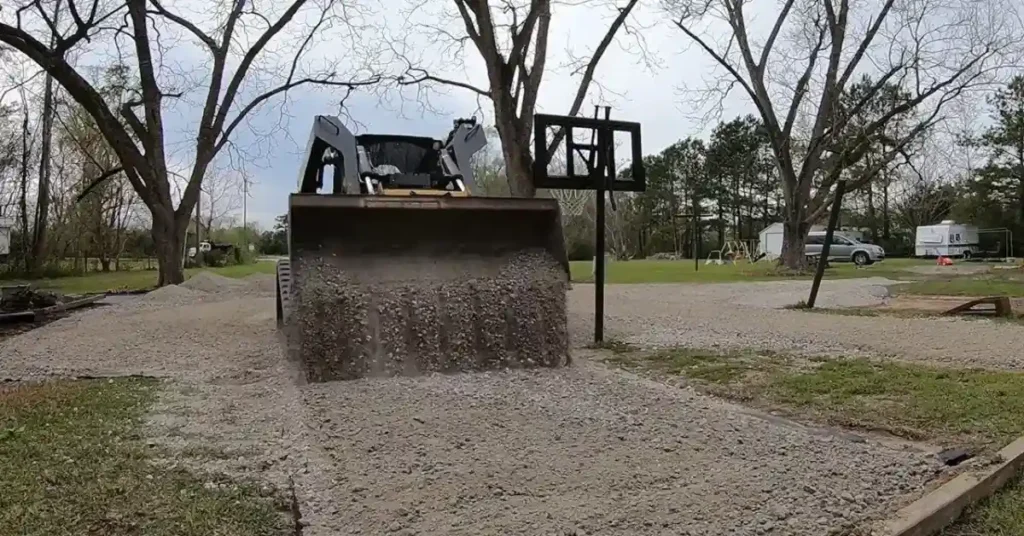
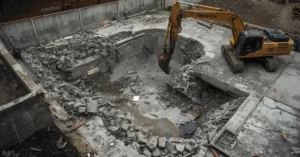
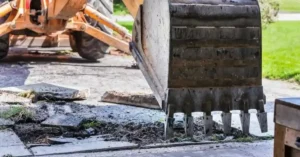
For larger driveways, renting an excavator or skid steer loader is often the most efficient approach. These machines handle soil removal quickly and create a consistent base depth, which is crucial for proper concrete installation.
Hand Tools
Even with machinery, hand tools like shovels, rakes, and wheelbarrows remain essential for detailed work around edges, slopes, and tight corners. Combining both heavy and hand tools ensures precision and efficiency.
Excavating the Site Safely
Once your plan is in place and equipment ready, begin the excavation process. Safety and methodical work are key.
Clearing Debris
Remove any grass, rocks, or existing concrete slabs. Clearing the area allows you to work without obstacles and prevents interference with the new base material.
Excavation Depth
For a standard concrete driveway, aim for a depth of six to eight inches, depending on soil type and load expectations. This depth allows for a stable sub-base and ensures your concrete will perform well under regular vehicle traffic.
Sloping for Drainage
Proper drainage is essential to prevent water pooling on your driveway. Slightly slope the excavation away from your home or structures. Even a small incline can make a significant difference in directing water runoff effectively.
Preparing the Sub-Base
After excavation, the sub-base provides the support your concrete driveway needs. Skipping this step often leads to cracking and uneven settling over time.
Compacting the Soil
Use a plate compactor or hand tamper to compact the soil. Firm soil ensures your driveway remains stable under weight and prevents future sinking or shifting.
Adding Gravel or Crushed Stone
Spread a layer of gravel or crushed stone over the compacted soil. This layer improves drainage and provides a solid foundation for pouring concrete. Level and compact the gravel to create a uniform surface.
Ensuring Safety During Excavation
Driveway excavation involves heavy equipment, deep holes, and potential hazards. Prioritizing safety protects everyone involved.
Personal Protective Equipment
Wear safety gear such as gloves, boots, helmets, and eye protection. Machinery accidents are more common than people realize, and proper equipment minimizes risks.
Secure the Work Area
Mark boundaries clearly and keep children, pets, and unnecessary personnel away from the excavation zone. Maintaining a controlled area prevents accidents and allows work to progress smoothly.
Monitoring Soil Conditions and Weather
The soil and weather conditions play a significant role in concrete driveway excavation success. Wet soil can be slippery, unstable, and difficult to compact, while extremely dry soil may require additional water for proper compaction.
Adjusting to Weather
Check the forecast and plan excavation during dry periods. Avoid working in heavy rain, which can create mud, reduce traction for machinery, and delay progress. Proper timing ensures a smooth, safe excavation.
Final Inspection and Readiness for Concreting
Before pouring concrete, inspect the excavation carefully. A level, compacted, and sloped site is critical for a long-lasting driveway.
Checking Measurements and Levels
Double-check width, depth, and slope against your initial plan. Small errors now can become major headaches once concrete is poured. Use a level and measuring tape for precise verification.
Preparing for Pouring
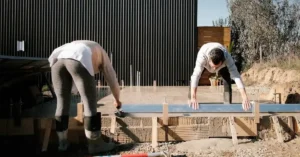
Ensure all sub-base material is compacted, and forms are in place. Once the inspection is complete, your site is ready for the next phase of driveway installation.

Frequently Asked Questions
What is the typical depth for a concrete driveway excavation?
Most concrete driveway excavations are between six and eight inches deep, allowing room for the sub-base and ensuring durability under regular vehicle use.
Can I perform driveway excavation without heavy machinery?
For small driveways, hand tools may suffice. However, machinery speeds up the process, provides consistent depth, and reduces physical strain, especially for larger projects.
Why is sub-base preparation important for a concrete driveway?
The sub-base stabilizes soil, enhances drainage, and prevents shifting. Properly compacted gravel or crushed stone is critical to avoid future cracking or uneven surfaces.
How do I slope my driveway excavation for proper drainage?
A slight incline of about half an inch per foot away from structures directs water runoff effectively. This prevents pooling and protects the driveway and surrounding areas.
Is safety a major concern during driveway excavation?
Yes. Excavation involves heavy equipment and deep holes. Wearing protective gear, securing the area, and checking for utilities significantly reduce the risk of accidents.
Conclusion
Concrete driveway excavation is the foundation for a strong, durable driveway. From planning and measuring to excavation, sub-base preparation, and safety precautions, every step matters. Careful attention during these stages reduces problems later and ensures your driveway looks and functions perfectly for years. Professional expertise can further streamline the process, saving time and effort. For a seamless driveway excavation experience backed by skilled workmanship, Mouton Concrete Services excavation is a trusted choice ready to handle your project from start to finish.