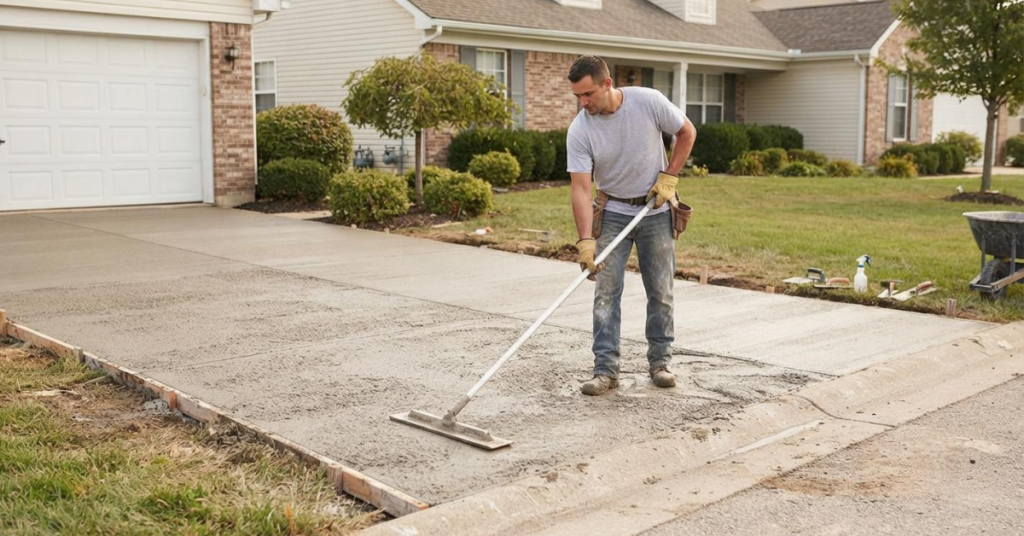
A new driveway can improve the look, value, and function of your property, but mistakes during planning or building can create long term concerns. Understanding the driveway construction process helps homeowners make better choices and avoid common setbacks. The concrete driveway installation process requires careful preparation, proper materials, and skilled workmanship to create a surface that handles daily use, weather changes, and heavy vehicles. From poor ground preparation to drainage concerns, many issues can affect the final result. Knowing what causes these problems and how professionals prevent them can help you get a strong and attractive driveway for your home or business.
Poor Ground Preparation Before Concrete Work
Why Soil Preparation Matters
One of the most common issues in the concrete driveway installation process is weak ground preparation. The soil under the driveway supports the entire surface, so it must be properly cleared, leveled, and compacted before concrete is placed. If the base is uneven or unstable, the driveway may develop cracks, sinking areas, or surface damage over time.
A quality driveway project starts with removing loose materials and creating a firm base layer. Professionals check soil conditions, improve the foundation when needed, and make sure the surface is ready for concrete placement. This step plays a major role in driveway durability and overall performance.
Many homeowners focus only on the visible concrete finish, but the strength of a driveway depends heavily on what is underneath. A properly prepared base allows the concrete driveway installation process to create better results and reduce future concerns.
Incorrect Concrete Mixing and Placement
Getting the Right Concrete Quality
The quality of concrete used during construction directly affects driveway strength. Using the wrong mixture, adding too much water, or rushing the placement can weaken the surface. The concrete driveway installation process depends on accurate measurements and proper handling from start to finish.
Concrete needs the right balance of cement, water, and aggregate to achieve good strength. Skilled contractors understand how local weather conditions and driveway usage affect the mixture. They also make sure the concrete is spread evenly and finished correctly before it sets.
Another common mistake is failing to provide enough thickness for the expected traffic. A residential driveway may need different support compared to an area used by larger vehicles. Careful planning helps create a surface that stays strong for years while maintaining a clean appearance.
Drainage Issues That Affect Driveway Life
Preventing Water Damage
Water management is an important part of any driveway project. Poor drainage can cause water to collect on the surface or near the edges, which may weaken the surrounding ground. The concrete driveway installation process should include proper slope planning so water moves away from the driveway and nearby structures.
A driveway without effective drainage may experience uneven areas and surface deterioration. Contractors consider the property layout, existing grading, and water flow patterns before starting work. This helps prevent moisture related concerns and keeps the driveway in better condition.
Homeowners in areas with changing weather should pay close attention to drainage planning. Rain, temperature changes, and regular vehicle use can place stress on concrete surfaces. Good drainage design supports a longer lasting driveway and improves safety around the property.
Weather Related Challenges During Construction
Choosing the Right Time for Installation
Weather conditions can impact the results of the concrete driveway installation process. Extreme heat, heavy rain, or cold temperatures may affect how concrete cures and gains strength. Experienced contractors plan projects based on local conditions to help achieve better results.
Hot weather can cause concrete to dry too quickly, while wet conditions may affect the surface finish. Proper scheduling, preparation, and curing methods help protect the new driveway during the early stages.
Homeowners should also consider seasonal changes when planning driveway work. A carefully timed project allows the materials to perform properly and reduces unnecessary stress on the surface. Professional planning is especially important for properties in coastal areas and locations that experience changing temperatures.
Poor Maintenance After Driveway Completion
Protecting Your Investment
Even a well built driveway needs regular care after completion. Simple maintenance habits can help preserve appearance and strength. The concrete driveway installation process creates the foundation, but ongoing attention helps maintain the surface over time.
Homeowners can protect their driveway by following these steps:
- Keep the surface clean from dirt and debris.
• Avoid placing extremely heavy loads on areas not designed for them.
• Address small surface concerns early before they become larger issues.
• Maintain proper drainage around the driveway edges.
Regular care helps prevent unnecessary wear and keeps the driveway looking fresh. A clean and well maintained surface also improves the overall appearance of your property.
Frequently Asked Questions
How long does a concrete driveway installation process take?
The concrete driveway installation process usually depends on driveway size, site conditions, and weather. Many residential projects can be completed within a few days when preparation is done correctly.
What causes driveway surfaces to become uneven?
Uneven areas often result from poor base preparation, drainage concerns, or soil movement. Proper grading and a strong foundation help create a more stable driveway surface.
How can homeowners choose a reliable driveway contractor?
Look for experienced professionals with knowledge of concrete work, local conditions, and proper construction methods. Good communication and quality workmanship are important factors.
Does weather affect new concrete driveways?
Yes, weather can influence concrete strength and curing. Planning the project during suitable conditions helps the concrete perform better.
Why is driveway maintenance important after installation?
Routine care helps protect the surface, improve appearance, and extend the useful life of the driveway.
Conclusion
A successful driveway project depends on careful planning, strong materials, and proper execution. Avoiding common mistakes during the concrete driveway installation process helps create a durable surface that supports daily use and improves your property. From preparing the ground to managing drainage and weather conditions, every step matters. Working with experienced professionals ensures your driveway receives the attention it needs from start to finish. Ready for a stronger driveway? Call Now Mouton Concrete Services.