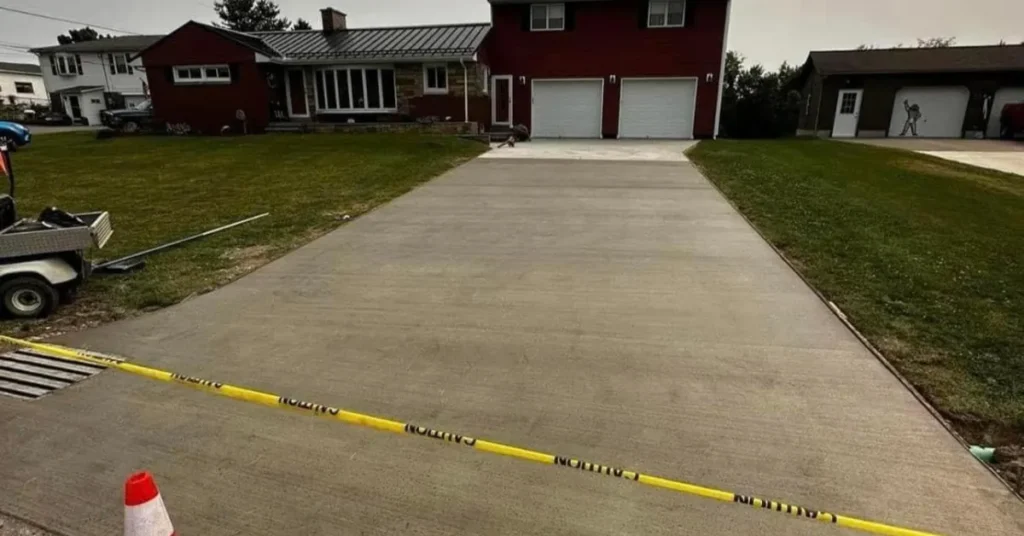
Installing a new concrete driveway for houses is an investment that can transform the look and functionality of your property. A concrete driveway offers durability, low maintenance, and a clean, modern appearance that enhances curb appeal. Before you jump into a concrete driveway installations service, it is essential to understand the process, costs, and factors that can affect the longevity of your driveway. Making informed decisions upfront ensures your project runs smoothly and gives you a driveway that stands the test of time.
Benefits of Choosing Concrete for Your Driveway
Concrete driveways have become the go-to option for many homeowners due to their strength and long-lasting performance. Unlike other materials, concrete can withstand heavy loads without cracking under normal conditions. With proper installation, concrete driveways offer a smooth, attractive surface that enhances the overall look of your property.
Concrete is also versatile, allowing for a variety of finishes such as exposed aggregate, stamped patterns, or even colored concrete. These options help homeowners create a driveway that matches the style of their home and landscaping. In addition, concrete’s resistance to erosion and weather conditions makes it a smart choice in areas with varying climates. Opting for a professional concrete driveway installations service ensures these benefits are maximized.
Planning and Preparing for Installation
Proper planning is crucial before scheduling a concrete driveway installations service. The first step is evaluating the layout and size of your driveway. Consider how many vehicles will use it, the type of traffic, and any future expansion possibilities. A well-planned driveway reduces the risk of uneven surfaces or drainage problems later on.
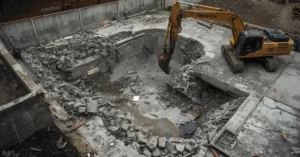
Site preparation involves removing grass, soil, and debris from the area, followed by grading the surface to ensure proper water runoff. Sub-base material, such as crushed stone, is added for stability. This foundation prevents settling and cracking over time. Homeowners often overlook this stage, but it is critical to a long-lasting concrete driveway. Consulting experts can help you choose the right thickness and reinforcement techniques for your driveway, making the investment worthwhile.
Choosing the Right Concrete Mix
The type of concrete used affects durability and performance. Standard mixes may work for most residential driveways, but adding fibers or using a high-strength formula can enhance resistance to cracking and heavy loads. Seasonal considerations, like temperature and humidity, can influence how the concrete cures.
Professional services will typically recommend concrete with proper slump and aggregate size for a smooth finish. Using the correct mix also reduces the chances of surface imperfections, such as scaling or discoloration. Discussing your needs with a concrete driveway installations service ensures that your project achieves both functional and aesthetic goals.
Installation Process
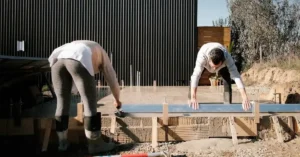
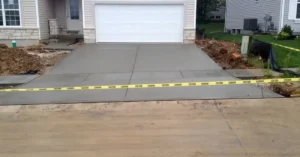
The installation process for a concrete driveway begins with forming the edges using wooden or metal forms. These forms guide the concrete placement and maintain clean, straight lines. Once the concrete is poured, it is leveled and smoothed using tools such as screeds and floats. Timing is critical at this stage, as concrete begins to set quickly.
After leveling, finishing techniques like brooming or stamping can be applied to achieve the desired texture. Expansion joints are strategically placed to accommodate temperature changes and reduce the risk of cracking. Finally, curing is essential to reach maximum strength. Curing typically involves keeping the concrete moist for several days. A professional concrete driveway installations service handles these steps efficiently, minimizing errors and ensuring a high-quality outcome.
Maintenance Tips for Longevity
Maintaining a concrete driveway is relatively simple compared to other surfaces. Regular cleaning to remove dirt and debris prevents stains and discoloration. Sealing the surface every few years can protect against water penetration and surface wear.
Other practical tips include:
- Avoiding heavy chemicals that can degrade concrete
- Using a snow shovel instead of a metal blade to prevent scratching
- Promptly cleaning spills to avoid stains
By following these steps, homeowners can keep their driveways looking fresh and functional for decades. Concrete driveways are built to last, but simple preventive care makes a significant difference.
Cost Considerations
Concrete driveway installations service costs vary depending on size, complexity, and material choices. On average, a standard driveway may cost between $5 and $12 per square foot, including labor. Features such as decorative finishes, curved layouts, or extra reinforcement increase the price.
Investing in professional installation may seem higher upfront but can save money in the long term. Properly installed concrete reduces the risk of costly corrections and adds resale value to your home. It is important to compare quotes, check references, and ensure the contractor follows local regulations and building standards.
Common Mistakes to Avoid
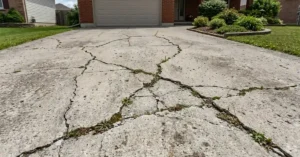
Even small mistakes can impact the performance and appearance of a concrete driveway. Common errors include:
- Skipping proper site preparation
- Choosing the wrong concrete mix for your climate or load
- Neglecting expansion joints and curing
Working with a skilled concrete driveway installations service prevents these issues. Experienced professionals understand the nuances of timing, mixing, and finishing techniques that make a driveway last.

Frequently Asked Questions
What is the ideal thickness for a residential concrete driveway?
The standard thickness ranges from four to six inches depending on vehicle weight and soil stability. Professional services will adjust the thickness for heavy trucks or unusual conditions.
How long does it take for a concrete driveway to cure?
Concrete typically reaches sufficient strength in about seven days, but full curing may take 28 days. Proper curing ensures maximum durability.
Can concrete driveways be customized?
Yes, options include stamped patterns, colored concrete, and exposed aggregate. Customization allows homeowners to match the driveway to their property style.
Is maintenance difficult for concrete driveways?
No, maintenance is straightforward. Regular cleaning, occasional sealing, and prompt attention to spills keep the surface looking new.
Are concrete driveways more expensive than other materials?
Initial costs may be higher than asphalt or gravel, but longevity, low maintenance, and improved property value make it a cost-effective choice over time.
Conclusion
Installing a concrete driveway requires careful planning, quality materials, and professional expertise. From evaluating your property to selecting the right mix and finishing techniques, each step influences durability and aesthetics. By avoiding common mistakes and following proper maintenance tips, homeowners can enjoy a functional, attractive, and long-lasting driveway.
For reliable results, choosing a trusted concrete driveway installations service is essential. Companies like Mouton Concrete Professionals bring experience, precision, and attention to detail to every project. Investing in professional installation ensures your driveway is not only visually appealing but also built to withstand years of use. Take the step today and transform your property with a beautiful, durable concrete driveway.