A concrete driveway may look simple on the surface, but what lies beneath determines how long it lasts. Concrete driveway thickness is one of the most important factors affecting strength, crack resistance, and overall performance. Too thin and it fails early. Too thick and you waste money without real benefit. Finding the right balance keeps your driveway solid for decades instead of years.
Homeowners often assume all concrete is the same. It is not. The thickness of driveway concrete must match how the driveway will be used, the soil underneath, and the local climate. Getting this wrong is one of the most common and expensive mistakes made during installation.
Why Concrete Driveway Thickness Matters
Concrete works best when it spreads weight evenly across the ground. If the slab is too thin, pressure concentrates in small areas and causes cracking, sinking, or edge failure. Proper driveway concrete thickness allows loads from vehicles to distribute across a wider surface area.
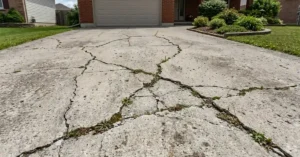
Daily use adds up faster than people realize. Garbage trucks, delivery vans, trailers, and even parked vehicles stress the slab over time. A driveway that looks fine during the first year may fail by year five if the thickness was underestimated.
Climate also plays a role. Freeze and thaw cycles cause soil to expand and contract. Thin concrete cannot flex enough to handle that movement. Adequate thickness helps the slab stay intact even when ground conditions shift seasonally.
Standard Thickness Guidelines for Concrete Driveways
So how thick is driveway concrete supposed to be? For most residential properties, four inches is the standard baseline. This works well for passenger vehicles and light use when paired with proper base preparation.
However, four inches is not universal. The driveway thickness concrete should increase when heavier vehicles are expected. Many contractors recommend five to six inches in areas where trucks or RVs may park regularly.
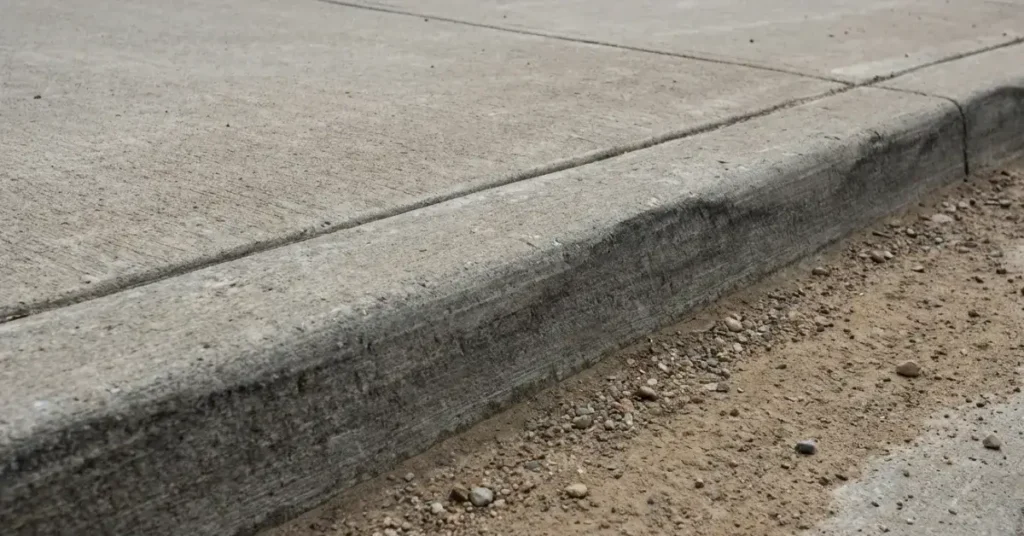
Thickness should be consistent across the entire slab. Thin edges are a common failure point. Reinforced edges or thickened borders help prevent cracking where vehicles enter or exit.
Local building codes may specify minimum thickness requirements. These rules exist for a reason and ignoring them often leads to premature repairs or full replacement.
Adjusting Thickness Based on Usage and Load
Not all driveways live the same life. A quiet household with one sedan needs less structural support than a busy home with multiple vehicles. Concrete driveway thickness should reflect real usage, not best case assumptions.
Consider these common scenarios:
- Passenger cars only. Four inches may be sufficient.
- Frequent truck or SUV traffic. Five inches offers better durability.
- Heavy equipment, trailers, or delivery vehicles. Six inches or more is often necessary.
Parking in the same spot every day increases stress in that area. Over time, thin slabs develop cracks exactly where tires rest. Increasing thickness helps resist this repeated pressure and reduces long term damage.
The Role of Base Preparation and Reinforcement
Thickness alone does not guarantee success. Even a thick slab can fail if the base underneath is poorly prepared. Compacted gravel creates a stable foundation that supports the concrete evenly.
A well prepared base typically includes several inches of crushed stone compacted in layers. This prevents settling and improves drainage. Water trapped beneath concrete weakens it faster than almost anything else.
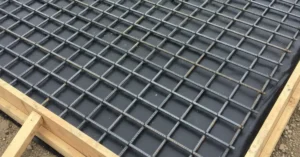
Reinforcement adds another layer of protection. Steel rebar or wire mesh helps control cracking by holding the concrete together when stress occurs. Reinforcement does not replace proper driveway concrete thickness but works alongside it.
Control joints are also essential. They guide cracking to specific locations instead of letting it spread randomly across the surface.
Common Thickness Mistakes That Shorten Lifespan
Many driveway failures come down to cutting corners. Pouring thinner slabs saves money upfront but costs far more in repairs later. One of the biggest mistakes is assuming residential driveways never see heavy loads.
Another issue is inconsistent thickness. Slabs poured unevenly develop weak spots that crack first. This often happens when grading is rushed or forms shift during the pour.
Ignoring soil conditions is equally problematic. Clay soils expand and contract significantly. Sandy soils drain well but may shift under load. Both situations demand careful planning of the thickness of driveway concrete.
Poor curing practices also weaken concrete. Even with correct thickness, concrete that dries too fast loses strength and becomes more brittle over time.
Maintenance Tips to Protect Proper Thickness
Once installed, maintenance helps preserve the benefits of proper thickness. Sealing the surface reduces water penetration and protects against freeze damage. Most professionals recommend resealing every two to three years.
Avoid heavy loads near the edges where concrete is most vulnerable. Parking large vehicles repeatedly on slab edges accelerates cracking.
Address small cracks early. Minor repairs prevent water intrusion that can undermine the slab from below. Keeping drainage systems clear also prevents water from pooling under the driveway.
These simple habits help the concrete driveway thickness perform as intended for the long haul.

FAQs About Concrete Driveway Thickness
How thick is driveway concrete for residential homes?
Most residential driveways use four inches of concrete. This works for standard passenger vehicles when the base is properly prepared.
Is thicker concrete always better?
No. Extra thickness increases cost without benefit if the driveway does not see heavy loads. Thickness should match usage, soil, and climate.
Can I pour thicker concrete at the edges?
Yes. Thickened edges are common and help prevent cracking where vehicles enter and exit the driveway.
Does reinforcement replace proper thickness?
No. Reinforcement supports the concrete but cannot compensate for slabs that are too thin.
How does climate affect driveway thickness concrete?
Cold climates with freeze and thaw cycles often require thicker slabs to handle soil movement and temperature changes.
Final Thoughts on Long Term Durability
Concrete driveway thickness is not a detail to guess or rush through. It determines whether your driveway lasts five years or thirty. Matching thickness to real world use, soil conditions, and climate protects your investment and avoids constant repairs. When installed correctly and maintained properly, a concrete driveway delivers long term performance and peace of mind. For homeowners who want results that last, working with experienced professionals like Mouton Concrete Driveway Specialists ensures the job is done right the first time.