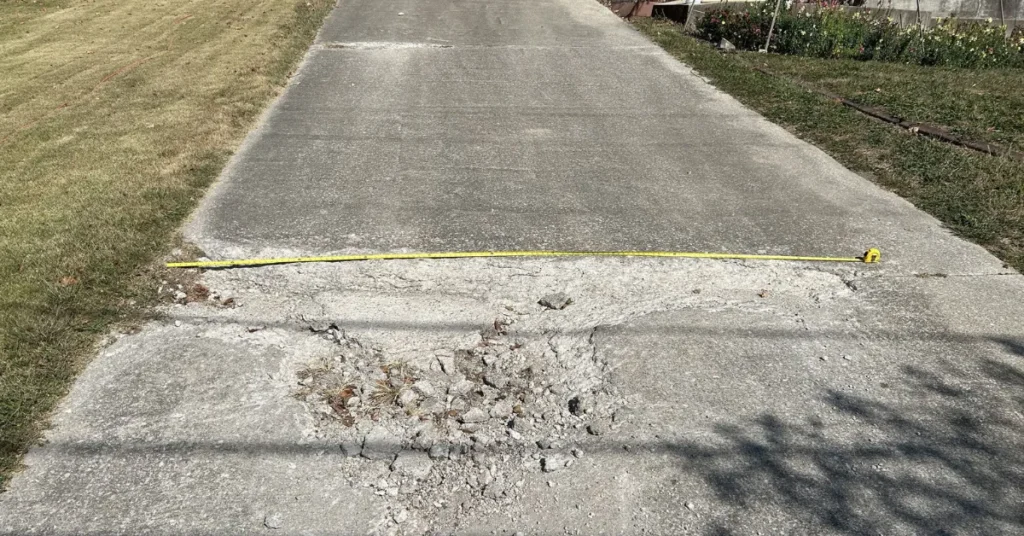
A solid concrete driveway serves as a resilient, attractive entrance to any property. Over time, exposure to severe weather, heavy vehicular traffic, and natural soil shifting can weaken even robust concrete structures. Understanding the underlying factors that contribute to concrete driveway surface damage allows property owners to take proactive steps to protect their investment. Recognizing early signs of degradation helps determine when standard patch solutions are insufficient to repair damaged concrete, making a complete, high-quality replacement necessary to restore both safety and visual appeal.
At Mouton Concrete Services, we believe that long-lasting driveways begin with proper installation techniques, high-grade material selection, and expert craftsmanship. When a damaged concrete driveway reaches the end of its functional life, replacing it with a professionally engineered structure is the most effective path forward. In this guide, we explore the primary causes of concrete driveway damage and explain how superior installation methods safeguard your new driveway for decades to come.
Freeze-Thaw Cycles and Moisture Penetration
Moisture is one of the most destructive elements affecting concrete surfaces. Concrete is inherently porous, containing microscopic capillaries that readily absorb water. During cold weather seasons, trapped water within the concrete matrix freezes and expands by approximately nine percent. This internal expansion places immense tensile stress on the surrounding concrete particles.
As temperature levels fluctuate repeatedly above and below freezing, the continuous cycle of expansion and contraction causes internal micro-fractures. Over time, these micro-fractures propagate toward the surface, resulting in scaling, spalling, and flaking. The surface layers begin to peel away, leaving behind a rough, pitted finish that readily collects even more water, further accelerating the cycle of decay.
Subgrade Settlement and Poor Base Preparation
The strength of any concrete slab depends heavily on the subbase beneath it. A major contributor to surface failure stems from improper ground preparation prior to pouring. If the underlying soil is insufficiently compacted, poorly drained, or contains high concentrations of clay, it will shift and settle unevenly over time.
When the soil foundation settles or washes away due to heavy rainfall, it creates hollow voids under the concrete slab. Without uniform structural support, the weight of standard passenger vehicles causes the unsupported concrete to flex and crack. These structural failures lead to uneven slabs, severe settlement, and widespread surface fracture that compromises the integrity of the entire driveway.
Excessive Weight and Structural Overloading
While concrete possesses high compressive strength, standard residential driveways are typically engineered for normal light-duty passenger vehicles, light trucks, and everyday residential use. Placing excessive loads on a residential slab causes localized stress points that exceed the structural tolerance of the material.
Heavy delivery trucks, construction equipment, large motorhomes, and commercial vehicles exert tremendous downward force. When these heavy loads pass over weak points, edge margins, or subgrade voids, they create significant concrete driveway cracks. Once cracks form, water enters the slab freely, creating a cascading sequence of structural breakdown that eventually necessitates full driveway re-installation.
Chemical Exposure and Deicing Compounds
Chemical exposure plays a substantial role in accelerating concrete driveway deterioration. Chemical deicers containing sodium chloride, calcium chloride, or ammonium nitrate are commonly applied to melt snow and ice during winter. While these compounds lower the freezing point of water, they also chemically react with the cement paste, weakening the mechanical bond within the concrete matrix.
Additionally, deicing chemicals increase the frequency of freeze-thaw cycles by keeping water in a liquid state at lower temperatures, allowing it to penetrate deeper into the porous surface. Motor oil, transmission fluids, and acidic chemicals leaking from parked vehicles also penetrate surface pores, breaking down the chemical bonds of the concrete paste and leaving unsightly, permanent stains alongside surface degradation.
Inadequate Concrete Mix and Improper Curing
The durability of a completed driveway is directly tied to the quality of the concrete mix and the curing process applied during installation. A mix containing excess water may be easier to pour, but high water-to-cement ratios drastically reduce the final compressive strength of the cured concrete, making it far more vulnerable to wear.
Proper curing is equally critical. If concrete dries too quickly due to high ambient temperatures, low humidity, or direct wind exposure, the chemical hydration process is cut short. Premature drying results in severe surface shrinkage, weak top layers, and premature dusting or crazing. Professional installation ensures exact water-to-cement ratios, proper air-entrainment additives, and meticulous curing routines to maximize structural strength.
Tree Root Intrusion and Environmental Forces
Large trees and aggressive shrubbery planted close to driveways present another serious threat to concrete surfaces. As mature tree roots expand beneath the surface, they exert tremendous upward hydraulic pressure against the underside of the concrete slab.
This localized upward force lifts sections of the driveway, causing uneven surface offsets, severe cracking, and structural displacement. Furthermore, organic debris such as decomposing leaves, seeds, and sap left on the surface for extended periods can produce mild organic acids that slowly erode top seal coats and discolor the concrete finish.
Restoring Durability Through Expert Installation
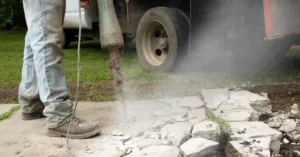
When surface degradation becomes extensive, temporary fixes often fail to deliver lasting results. Addressing root causes requires a fresh start with a completely new, engineered installation. By removing compromised slabs and preparing a dense, well-drained gravel subbase, you eliminate the foundational failures that caused original damage.
At Mouton Concrete Services, our experienced team specializes in top-tier residential and commercial concrete driveway installations. We utilize precise mix formulations, proper reinforcement practices, and meticulous finishing techniques designed to withstand harsh weather and heavy use, ensuring your new driveway retains its beauty and structural strength for decades.
Frequently Asked Questions
What is the leading cause of concrete driveway surface damage during winter?
Repeated freeze-thaw cycles combined with chemical deicer usage represent the leading cause of winter damage. Trapped water expands upon freezing, causing surface scaling, pitting, and top layer spalling.
How do concrete driveway cracks form under normal vehicle use?
Cracks typically form when subgrade soil beneath the slab settles unevenly or washes away. Without a solid, uniform foundation, the weight of standard vehicles causes the unsupported concrete to flex and fracture.
Can heavy vehicles accelerate concrete driveway deterioration?
Yes, heavy commercial trucks, RVs, and construction equipment exert weight far beyond residential design limits, leading to severe structural cracks, edge failure, and rapid surface breakdown.
Why is subgrade preparation so important for preventing future driveway damage?
Proper subgrade preparation involves compacting stable base soil and installing a dense aggregate foundation. This ensures even weight distribution, prevents water accumulation underneath, and eliminates ground settling.
How does professional installation from Mouton Concrete Services guarantee a longer lasting driveway?
Mouton Concrete Services utilizes engineered concrete mixes, optimal water-to-cement ratios, professional reinforcement, and controlled curing methods to deliver maximum strength, weather resistance, and long-term durability.
Upgrade Your Property with Premium Concrete Installation
If your driveway shows severe wear, surface scaling, or structural cracking, a brand-new installation provides the ultimate long-term transformation. Contact Mouton Concrete Services today at (409) 692-1638 to discuss your upcoming project, explore customization options, and request your free consultation with our expert team.