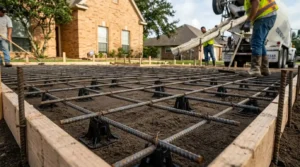
A well planned concrete driveway does more than provide a clean place to park your vehicle. It directs rainwater away from your home, supports everyday traffic, and adds lasting value to your property. However, even a strong concrete surface can experience problems when water has nowhere to go. Proper grading, drainage planning, and a suitable finish all contribute to dependable performance. Broom Finish Concrete is a popular choice for homeowners who want a practical surface with useful traction. Working with experienced professionals through Concrete Finishing Services Seabrook TX can also help you make informed decisions about slope, surface texture, and water management before construction begins. Understanding these details helps you avoid standing water, protect nearby landscaping, and enjoy a more functional outdoor space throughout the year.
Why Drainage Matters for a Concrete Driveway
Water management is one of the most important considerations when planning residential concrete work. Rainwater that collects near the garage, foundation, or walkway can create inconvenient puddles and contribute to soil erosion. During periods of heavy rainfall, poorly directed runoff may also flow toward entrances or neighboring properties.
Protecting Your Home and Surroundings
A properly designed concrete driveway encourages water to move toward suitable drainage areas instead of collecting beside your house. This is especially important in coastal Texas communities, where intense rainfall and humid conditions can make effective drainage essential.
Before construction begins, consider the direction of natural ground movement, nearby landscaping, and the location of downspouts. Water should have a safe route away from the foundation without creating problems elsewhere.
Avoiding Standing Water
Puddles often indicate that a surface needs better grading or that an existing drain is not managing runoff effectively. Consistent slopes and carefully planned transitions help water flow across the surface.
A professional assessment can identify potential trouble spots before concrete is poured. Addressing these details during initial planning is generally easier than making substantial changes after the surface has hardened.
Understanding the Right Concrete Driveway Slope
Slope refers to the gradual change in elevation across a surface. It determines how efficiently rainwater moves away from the garage and toward an appropriate drainage destination.
Choosing a Practical Gradient
Many concrete surfaces use a slope of approximately 1 to 2 percent for drainage, although the appropriate gradient depends on site conditions, accessibility requirements, local regulations, and the intended direction of runoff. A 1 percent slope means the surface changes elevation by approximately one inch over eight feet.
This measurement provides a useful starting point, not a universal construction rule. Garage elevations, property boundaries, local rainfall patterns, and available drainage routes can all influence the final design.
Balancing Drainage and Everyday Access
An excessively steep concrete driveway can make vehicle access uncomfortable and create challenges near sidewalks or garage entrances. A surface that is too flat may allow water to collect in low areas.
Experienced concrete contractors evaluate the entire layout rather than focusing on one section. Smooth transitions between the street, parking area, and garage help create a practical surface while supporting effective water movement.
How Broom Finish Concrete Supports Everyday Safety
The surface finish influences both the appearance and usability of residential concrete. Homeowners frequently choose Broom Finish Concrete because its textured surface offers practical traction for everyday walking and vehicle access.
Creating a Textured Surface
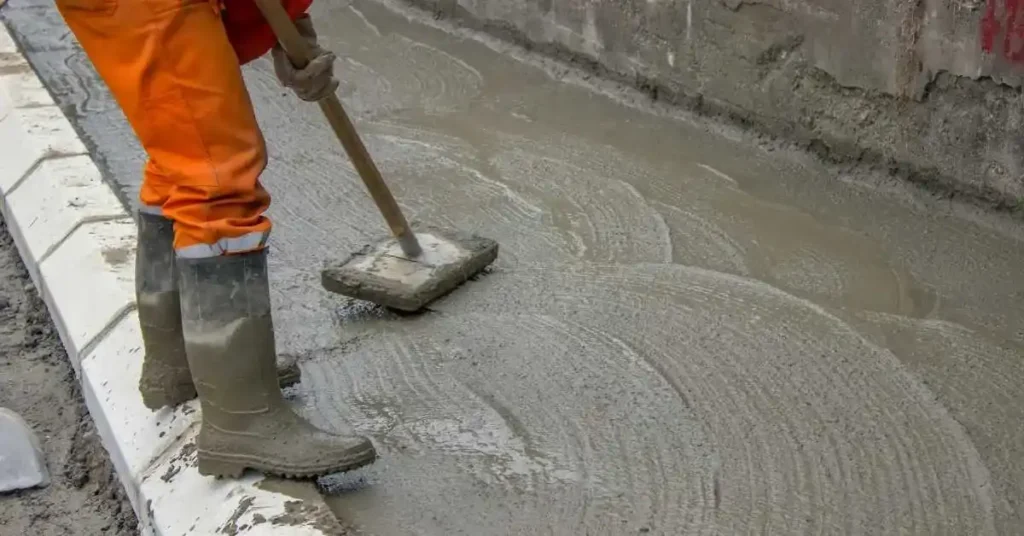
During finishing, a broom is drawn across freshly placed concrete to create fine grooves. The resulting texture provides a simple, understated appearance that complements many home styles.
Broom Finish Concrete is particularly useful around areas exposed to rain because surface texture can improve footing. However, texture alone does not eliminate slipping risks, especially when algae, mud, oil, or other contaminants accumulate.
Combining Texture With Proper Drainage
A textured finish works best when the underlying surface has been graded correctly. Water should move toward the planned drainage outlet rather than remain in shallow depressions.
For example, imagine returning home after a Texas thunderstorm and finding a puddle beside the garage entrance. Even a textured surface cannot compensate for poor grading in that location.
Choosing Broom Finish Concrete alongside careful slope planning helps create an outdoor surface that is functional, attractive, and suitable for regular use.
Drainage Solutions for Residential Concrete Surfaces
Not every property handles rainwater in the same way. Some homes have naturally sloping yards, while others have limited space for runoff. The best drainage approach depends on the property’s layout, soil conditions, rainfall, and available outlets.
Surface Drains and Channel Drains
Channel drains collect water along a narrow trench covered by a grate. They can be useful near garage entrances or other locations where runoff concentrates. Point drains collect water at specific low areas when the surrounding grading directs water toward them.
Both options require proper sizing, placement, and an appropriate discharge location. A drain that cannot handle heavy rainfall may allow water to accumulate despite careful installation.
Managing Runoff Around Landscaping
Carefully shaped soil, suitable planting areas, and correctly positioned downspouts can help manage runoff around a concrete driveway. Permeable landscaping may also provide opportunities for water absorption where soil conditions allow.
Avoid directing concentrated runoff onto neighboring land or toward building foundations. Local requirements may govern how stormwater can be discharged, so drainage planning should account for applicable rules.
Planning Concrete Installation for Long Term Performance
Good results begin before the concrete truck arrives. Site preparation, soil stability, reinforcement decisions, and construction timing all influence the finished surface.
Preparing the Base
The supporting ground should be properly evaluated, graded, and compacted. Soft spots or uneven support can contribute to settlement and surface cracking over time.
Contractors may recommend a suitable aggregate base depending on soil conditions, expected vehicle loads, and project specifications. Reinforcement and control joint placement should also be considered as part of the overall design.
Choosing the Right Finishing Approach
Broom Finish Concrete requires appropriate timing during the finishing process. The concrete must be ready for texturing so the broom creates a consistent pattern without unnecessarily disturbing the surface.
Weather conditions matter, too. Hot temperatures, wind, and direct sunlight can affect moisture loss and finishing time. Experienced installers account for these conditions and follow appropriate curing practices.
Proper curing supports the development of concrete strength. Homeowners should follow the contractor’s instructions about foot traffic, vehicle access, and initial care rather than assuming the surface is ready immediately after placement.
Maintaining Drainage and Surface Quality
Regular attention helps preserve both drainage performance and the appearance of a concrete driveway. Fortunately, most routine checks are simple enough to include in ordinary outdoor maintenance.
Simple Seasonal Maintenance
Keep nearby drains clear of leaves, dirt, and other debris. Check downspout outlets after heavy rainfall and look for areas where water repeatedly collects.
Occasionally observe how runoff moves across the surface during a rainstorm. This provides useful information about whether the existing grading is directing water as intended.
Avoid allowing soil, mulch, or landscaping materials to build up against the concrete edge. These materials can obstruct drainage paths and encourage water to collect in unwanted locations.
Recognizing Changes Early
New puddles, persistent damp areas, or visible soil erosion may indicate that drainage conditions have changed. Settlement in nearby soil or blocked outlets can affect how water moves, even when the concrete itself remains sound.
Addressing the underlying cause helps protect surrounding landscaping and reduces unnecessary water accumulation. When drainage concerns persist, a qualified contractor can assess the grading and recommend an appropriate solution.
Frequently Asked Questions
1. What is the best slope for a concrete driveway?
A slope of approximately 1 to 2 percent is commonly used for drainage, but the ideal gradient depends on property conditions, accessibility, and local requirements. Professional grading helps direct rainwater away from foundations and toward a suitable drainage outlet.
2. Does Broom Finish Concrete provide good traction?
Yes, Broom Finish Concrete creates a textured surface that can improve traction during everyday use. Its effectiveness also depends on proper installation, drainage, and cleanliness. Algae, oil, and other contaminants can reduce footing, so regular surface maintenance remains important.
3. How can I prevent standing water on concrete?
Proper grading, suitable surface drains, and clear runoff pathways help prevent standing water. Existing puddles may indicate low areas or blocked drainage outlets. A qualified contractor can evaluate the surface and determine which adjustments are appropriate for your property.
4. Is Broom Finish Concrete suitable for homes in Seabrook, Texas?
Broom Finish Concrete can be a practical option for Seabrook homes because its textured surface suits many residential applications. Proper slope planning, suitable site preparation, and effective drainage are equally important for managing the region’s rainfall and humid weather conditions.
5. How often should I check concrete driveway drainage?
Inspect drainage pathways seasonally and after significant storms. Remove debris from drains, observe water movement, and watch for persistent puddles or soil erosion. Regular checks help identify developing drainage concerns before they interfere with everyday access or surrounding landscaping.
Conclusion
A dependable concrete driveway starts with thoughtful planning, accurate grading, and a finish suited to everyday conditions. Proper drainage directs rainwater away from your home, while an appropriate slope helps prevent puddles and supports comfortable access. Broom Finish Concrete adds practical texture, making it a popular choice for homeowners who value both function and appearance.
From evaluating the ground to selecting drainage solutions and finishing techniques, every construction decision contributes to the final result. Taking time to plan these details can help you enjoy a durable, attractive surface that performs well through changing weather.
When you are ready to improve your property’s concrete surfaces, Get Started with Mouton Concrete Services and discuss your project requirements with an experienced professional. Thoughtful design, quality workmanship, and a well planned drainage system can help you create a concrete driveway that serves your home reliably for years to come.