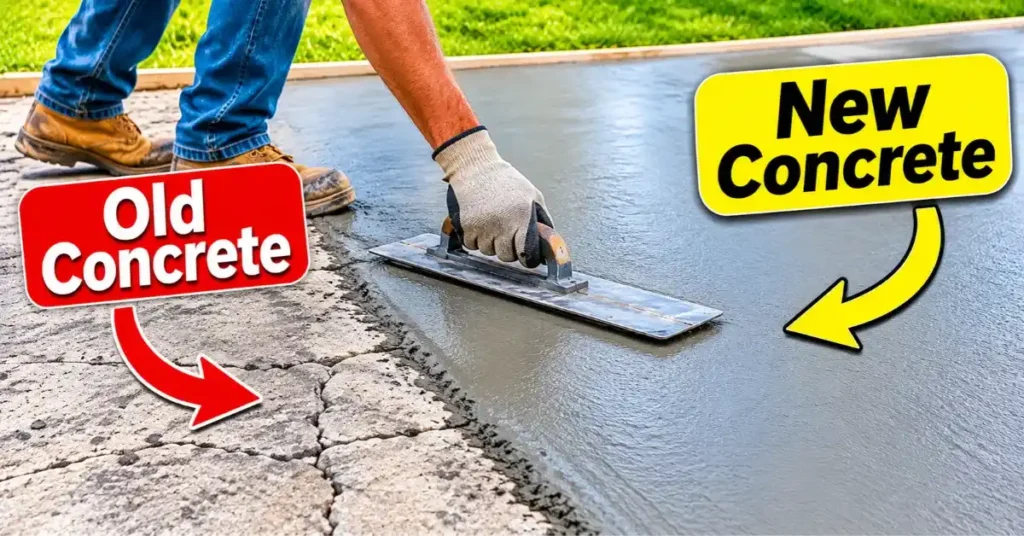
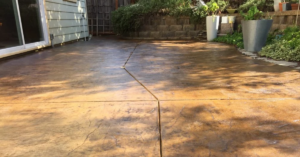
Have you noticed cracks, uneven areas, or surface damage on an existing concrete patio or walkway? You might wonder whether adding another layer is an easier option than removing the entire surface. The answer to whether can you pour new concrete over old concrete depends on the condition of the existing slab, the depth of the damage, and the stability of the ground underneath. New Concrete Installation Over Old Concrete can be a practical option when the original concrete remains structurally sound. However, covering a severely damaged surface can create problems that affect the new layer.
Can You Pour New Concrete Over Old Concrete With Cracks?
Yes, placing fresh concrete over an existing slab with minor cracks is sometimes possible. However, not every cracked surface provides a suitable foundation. Small hairline cracks may indicate ordinary surface aging, while wider openings can point to movement beneath the slab or problems with the original installation.
Before deciding whether can you pour new concrete over old concrete, it is important to understand why the damage occurred.
Understanding Different Types of Concrete Cracks
Concrete cracks can develop for several reasons, including temperature changes, moisture exposure, soil movement, and heavy loads. Their appearance can provide useful clues about the condition of the existing surface.
Consider these common examples:
- Hairline cracks may affect appearance without indicating major structural problems.
- Wide cracks can suggest movement or a loss of support beneath the slab.
- Multiple connected cracks may indicate more extensive deterioration.
- Cracks with different surface heights can point to uneven ground movement.
An experienced concrete contractor can evaluate these conditions and determine whether the existing slab can support another layer.
When Is Existing Concrete Suitable for a New Layer?
The condition of the original slab matters more than its age. An older concrete surface can still provide a stable foundation if it remains firmly supported and has no significant structural problems.
Signs That the Existing Slab May Be Suitable
A concrete surface may be a good candidate for an additional layer when it has the following characteristics:
- The slab remains level and stable.
- Cracks are relatively small and do not show signs of ongoing movement.
- Most of the original concrete remains firmly attached to the ground.
- There are no large sections that crumble or break apart.
- The surface has enough available height for the additional concrete.
These conditions make an overlay more practical, although a professional assessment is still important.
When Covering Old Concrete Is Not a Good Idea
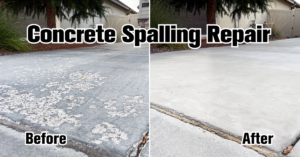
If the existing slab has deep cracks, significant settling, loose sections, or extensive deterioration, adding fresh concrete may only hide the visible problems temporarily.
For example, imagine an older patio that has dropped on one side because the soil underneath has shifted. Adding a new layer will not correct the underlying movement. The new surface could eventually develop similar cracks.
Understanding the original cause of the damage helps determine whether pouring over the existing slab is a reasonable choice.
What Happens When You Pour Concrete Over Damaged Concrete?
Adding fresh concrete over an unstable surface can create several long term problems. Although the finished surface might initially look smooth and attractive, the condition of the original slab can influence how well the new material performs.
Cracks Can Transfer to the New Surface
One common concern is crack reflection. This happens when existing cracks eventually appear through the new concrete layer. Movement in the original slab can place stress on the additional material, causing similar openings to develop.
Bonding Problems Can Affect Durability
Fresh concrete does not automatically create a strong bond with an older surface. Dirt, grease, loose particles, and deteriorated material can interfere with adhesion.
Proper surface preparation is essential. Depending on the project, a suitable bonding agent or mechanical preparation may be needed to help the new material connect with the existing concrete.
Water Can Create Additional Problems
Moisture entering existing cracks can contribute to deterioration, especially when drainage is poor. Water trapped between concrete layers may also affect long term performance.
For this reason, contractors should examine drainage conditions, surface stability, and moisture exposure before recommending an overlay.
How to Prepare Old Concrete Before Pouring a New Layer
Preparation plays a major role in the success of a concrete overlay. Even when the original slab appears suitable, skipping important preparation steps can reduce the quality and lifespan of the finished surface.
Clean and Evaluate the Existing Surface
The first step involves removing dirt, dust, oil, loose concrete, and other contaminants. Pressure washing or mechanical cleaning may be appropriate depending on the condition of the slab.
The contractor should also examine cracks, surface height differences, drainage, and the overall stability of the existing concrete.
Choose the Appropriate Concrete Thickness
The required thickness depends on the intended application, the condition of the original slab, and the selected concrete system. A thin overlay designed for surface improvement is different from a structural concrete layer.
Adding too little material can affect strength and durability. Increasing the height too much can also create problems around doors, steps, drainage areas, and adjoining surfaces.
Allow Proper Curing Time
After placement, concrete needs appropriate curing conditions to develop strength. Temperature, moisture, mix design, and weather conditions can influence the curing process.
Following professional recommendations helps the finished surface achieve better performance and reduces the likelihood of premature cracking.
Should You Remove Old Concrete or Pour Over It?
Choosing between concrete removal and an overlay depends on the amount of damage and the intended use of the area. Both options have advantages, but the right decision should come from evaluating the existing conditions.
When a Concrete Overlay Makes Sense
An overlay may be appropriate when the original slab is stable, adequately supported, and free from significant structural deterioration. It can provide a refreshed appearance without requiring complete removal.
This approach may work for certain patios, walkways, and other residential concrete surfaces.
When Complete Removal Is the Better Choice
Removing the existing slab may be more suitable when the concrete has widespread cracking, major settling, crumbling sections, or serious drainage concerns.
Although removal involves additional work, it allows the contractor to evaluate the ground underneath and prepare a more suitable base for new concrete.
The goal should not simply be to cover an unattractive surface. It should be to create a stable foundation that supports the finished installation for years.
Frequently Asked Questions
1. Can you pour new concrete over old concrete with hairline cracks?
Yes, a new concrete layer may be possible when the original slab is stable and the cracks are minor. Proper evaluation and surface preparation help determine whether an overlay will perform well.
2. How thick should concrete be when poured over existing concrete?
The required thickness depends on the application, existing surface, and concrete system. A qualified contractor can recommend suitable dimensions based on expected loads and project conditions.
3. Will cracks in old concrete show through new concrete?
They can. Movement in the original slab may transfer through an additional layer, creating visible cracks. Proper evaluation and suitable installation methods can help reduce this possibility.
4. Does old concrete need a bonding agent before pouring?
Not always, but certain projects benefit from a bonding agent. Surface preparation, material compatibility, and installation requirements determine whether an additional bonding product is necessary.
5. Is pouring concrete over old concrete cheaper than removing it?
An overlay can sometimes reduce demolition and disposal expenses. However, preparation requirements and the condition of the original slab influence the overall project cost.
Conclusion
Pouring a fresh layer over an existing concrete surface can be a practical solution, but the condition of the original slab should always come first. Minor cracks and cosmetic damage may allow an overlay, while severe deterioration, shifting, and unstable ground often require complete removal. Knowing whether can you pour new concrete over old concrete helps you make a more informed decision before investing in a new surface.
Every concrete project deserves careful planning, proper preparation, and quality workmanship. If your patio, walkway, or other concrete surface has visible damage, getting a professional evaluation can help you choose the right approach. Talk to Mouton Concrete Services Today to discuss your concrete project and explore the right installation option for your property.