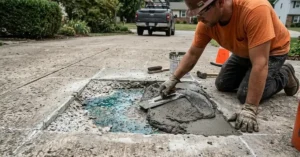
Concrete is known for its strength and durability, but even a solid surface can develop problems over time. Small chips, peeling layers, and rough patches may seem harmless at first. However, these signs can indicate deeper deterioration. Understanding concrete spalling repair helps property owners recognize surface damage, identify its causes, and choose the right solution. Whether you have noticed flaking on a patio, walkway, slab, or Concrete Damage Repair Manvel, TX, addressing the problem early can help prevent more extensive damage. With proper care and suitable materials, many affected concrete surfaces can regain their appearance and function.
What Is Concrete Spalling and Why Does It Happen?
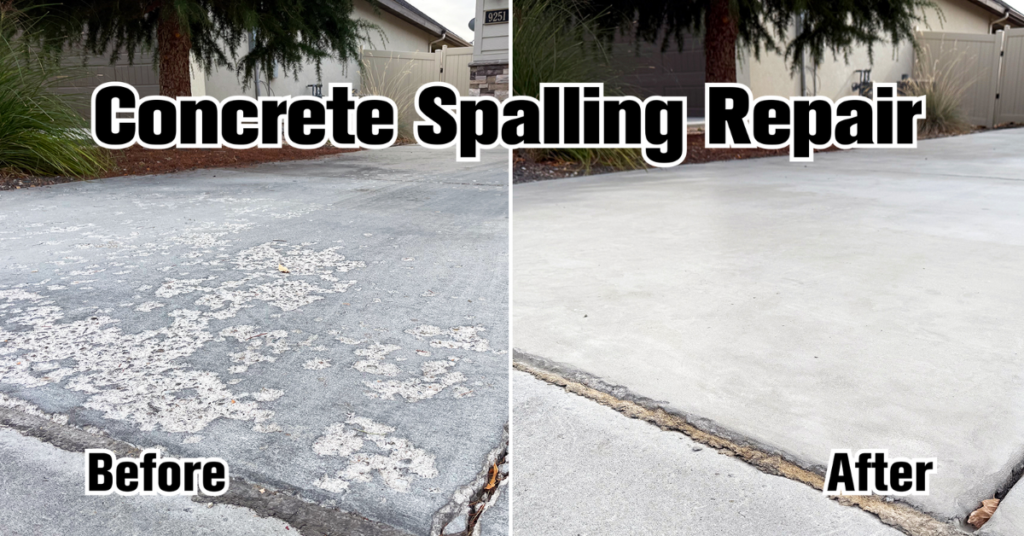
Concrete spalling occurs when the outer surface begins to break away, leaving exposed aggregate, rough patches, or shallow holes. In more severe cases, larger pieces can separate from the slab. This condition affects both the appearance and durability of concrete.
Common Signs of Surface Deterioration
You may notice several warning signs around your property, including:
-
Small flakes separating from the surface.
-
Pitted or uneven concrete areas.
-
Crumbling edges and corners.
-
Exposed stones or aggregate.
-
Shallow holes that gradually become larger.
Concrete spalling repair becomes important when these signs continue spreading. A small damaged patch might not create an immediate safety concern, but widespread deterioration deserves attention. Walking across a rough patio or entrance can also become uncomfortable, especially when loose pieces collect on the surface.
Where Does Spalling Commonly Occur?
This problem can develop on concrete driveways, patios, sidewalks, garage floors, steps, and outdoor slabs. Areas exposed to frequent moisture, heavy traffic, or changing temperatures may experience greater deterioration.
Main Causes of Concrete Spalling
Understanding the reason behind surface deterioration is essential before selecting a suitable treatment. Simply covering damaged concrete without addressing the underlying cause may lead to recurring problems.
Moisture Penetration and Freeze Thaw Cycles
Water can enter tiny openings in concrete. When temperatures drop below freezing, trapped moisture expands and places pressure on the surrounding material. Repeated freezing and thawing can gradually weaken the surface.
Poor Installation and Improper Curing
Concrete requires proper mixing, placement, finishing, and curing. Adding excessive water to the mixture can reduce its strength. Similarly, applying the wrong finishing techniques or allowing the surface to dry too quickly can contribute to early deterioration.
Deicing Chemicals and Surface Exposure
Deicing salts can increase moisture movement and contribute to surface damage, particularly when concrete is exposed to repeated freezing conditions. Harsh environmental exposure and inadequate drainage can make the situation worse.
Corrosion of Embedded Steel
When moisture and harmful substances reach reinforcing steel, corrosion may develop. Rust occupies more space than the original steel, creating internal pressure that can cause surrounding concrete to crack and separate.
Effective Methods for Concrete Spalling Repair
The right treatment depends on the depth, size, and cause of the affected area. Minor surface deterioration may require a different approach than extensive structural damage.
Removing Loose and Damaged Material
The first step usually involves removing weak, loose concrete until a sound surface remains. This creates a stable base for additional work. Proper surface preparation is important because new material needs a clean, firm area to bond effectively.
Applying a Suitable Concrete Patching Compound
For shallow damage, a suitable cement based patching compound can restore the affected area. The product should match the application, surface conditions, and expected exposure.
Using Resurfacing Materials
When deterioration affects a larger surface but the underlying slab remains stable, a concrete resurfacing product may provide a more consistent finish. Proper preparation and application are essential for long lasting results.
Addressing Deeper Structural Problems
If deterioration reaches reinforcing steel or affects the slab’s stability, surface treatments alone may not be enough. A professional assessment can determine whether deeper corrective work or partial replacement is necessary.
When Should You Call a Concrete Professional?
Not every damaged area requires professional attention, but certain warning signs should never be ignored. Knowing when to seek help can prevent a minor surface issue from becoming a costly project.
Damage That Continues Spreading
If flakes, cracks, or holes continue appearing across a slab, the problem may involve more than ordinary surface wear. Professional evaluation can help identify moisture problems, installation defects, or internal deterioration.
Exposed Reinforcing Steel
Visible reinforcement is a more serious concern. Rust around embedded steel can weaken the surrounding concrete and affect the structure’s long term performance.
Uneven or Unstable Surfaces
Concrete that feels loose, shifts under pressure, or develops significant height differences may require more extensive attention. These conditions can create tripping hazards around entrances, patios, and walkways.
Professional concrete spalling repair is particularly valuable when the affected area is large or the underlying cause is unclear. An experienced contractor can evaluate the damage and recommend an appropriate approach instead of relying on temporary surface treatments.
How to Prevent Future Concrete Spalling
Preventive maintenance can help preserve concrete and reduce the likelihood of recurring surface deterioration. A few practical habits can make a noticeable difference.
Keep Water Away From Concrete Surfaces
Check nearby drainage and make sure rainwater does not collect around slabs or along their edges. Clear blocked drainage paths and address areas where water regularly pools.
Use Appropriate Cleaning Products
Avoid harsh chemicals that may damage the concrete surface. Choose suitable cleaning products and follow manufacturer instructions, particularly when removing stains or outdoor buildup.
Apply a Suitable Concrete Sealer
A quality concrete sealer can reduce water absorption and protect the surface from certain environmental conditions. Select a product designed for the specific application and follow its recommended preparation and application instructions.
Inspect Surfaces Regularly
Look for small cracks, peeling areas, exposed aggregate, and loose edges. Early attention can help prevent minor deterioration from spreading across a larger section.
Frequently Asked Questions
Can Spalling Concrete Be Fixed?
Yes, many affected surfaces can be restored depending on the damage. Minor deterioration may respond well to suitable patching compounds, while deeper problems may require extensive concrete work or partial slab replacement.
What Causes Concrete to Flake and Peel?
Moisture penetration, freezing temperatures, excessive mixing water, poor curing, and deicing chemicals can contribute to flaking. Identifying the underlying cause is important before selecting an appropriate treatment.
Is Spalling Concrete Dangerous?
It can become dangerous when loose pieces create tripping hazards or deterioration affects structural stability. Exposed reinforcement and extensive cracking should receive professional attention to prevent further complications.
Does Concrete Sealer Prevent Spalling?
A suitable sealer can reduce moisture absorption and protect concrete from certain environmental conditions. However, it cannot correct existing structural problems or guarantee complete protection against surface deterioration.
When Should Damaged Concrete Be Replaced?
Replacement may be necessary when deterioration is extensive, the slab has lost stability, or underlying structural damage cannot be addressed through localized treatments. A professional assessment helps determine the appropriate option.
Conclusion
Concrete spalling can affect the appearance, usability, and durability of residential and commercial surfaces. Recognizing early warning signs, understanding the causes, and choosing appropriate treatment methods can help prevent further deterioration. Regular maintenance, proper drainage, and suitable protective products also contribute to longer lasting concrete. When surface damage becomes extensive, professional concrete spalling repair can help restore the affected area and protect your investment. Partner with Mouton Concrete Services for dependable concrete services and practical solutions for damaged surfaces. Take the next step toward stronger, cleaner, and better maintained concrete around your property.