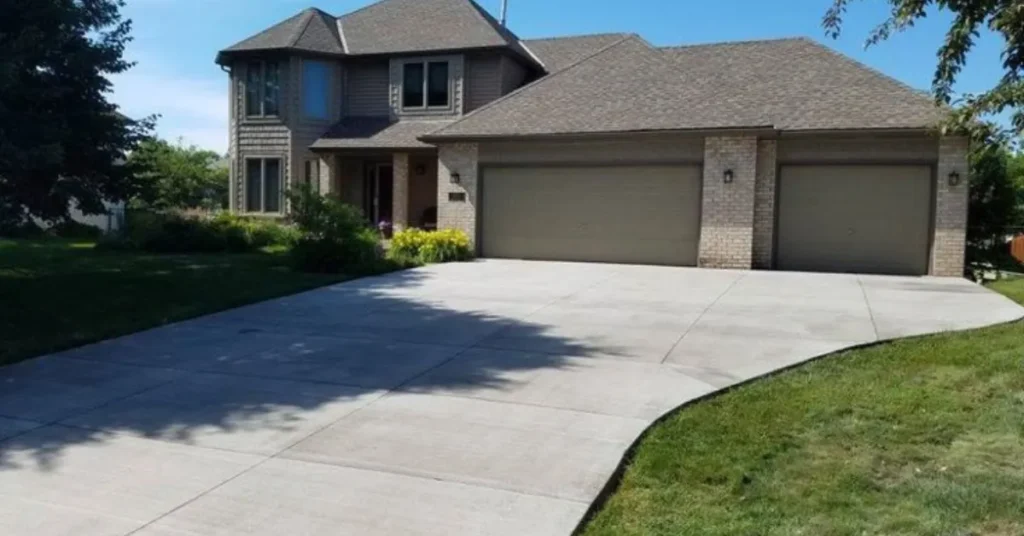
A durable driveway serves as the focal point of your property’s exterior, boosting curb appeal while providing a smooth, reliable surface for daily vehicular traffic. However, continuous exposure to shifting weather conditions, heavy loads, oil drips, and organic debris can take a toll over time. Knowing how to protect your investment is essential for long-term durability and lasting beauty. By following practical concrete driveway maintenance tips, you can prevent unsightly surface damage and ensure your driveway performs at its best for decades.
At Mouton Concrete Services, we believe routine proactive care is the true secret to extending the life of your paved surfaces and keeping your home looking top-notch.
Address Stains and Spills Immediately
Driveways face daily exposure to motor oil, transmission fluids, tire marks, and organic leaf tannins. When left untreated, oil and acidic liquids penetrate deep into the porous structure of the concrete, leading to stubborn discoloration and weakened surface bonds.
Implementing effective concrete driveway cleaning tips early on makes a significant difference in preventing long-term damage:
Absorb Fresh Spills Right Away: Apply cat litter, cornstarch, or baking soda directly onto wet oil spills to pull the liquid out of the concrete pores before sweeping it away.
Scrub with Mild Detergents: Wash down the surface using a stiff-bristle brush, eco-friendly detergent, and clean water to lift surface grime.
Use Commercial Degreasers for Deep Stains: For older, stubborn spots, heavy-duty concrete degreasers break down hydrocarbon bonds so they can be thoroughly rinsed away.
Regular washing protects the visual appeal of your home while ensuring contaminants do not degrade the top layer of the slab.
Seal the Surface Periodically
Sealing is one of the single most effective ways to shield your slab against moisture absorption, harsh UV light, and chemical damage. Because concrete is naturally porous, unsealed surfaces easily absorb water. During temperature fluctuations or cold snaps, trapped water expands, leading to scaling, surface spalling, and flaking.
Applying a high-quality sealant every two to three years forms a moisture-resistant barrier over the entire slab. Proper concrete driveway care involves inspecting your surface annually for signs of wear and reapplying sealant whenever water stops beading on the surface. Sealing also makes future cleaning significantly easier by preventing dirt and oil from sinking deep into the pores. If you are unsure which sealant best fits your surface finish, the experienced team at Mouton Concrete Services is always available to offer guidance.
Keep Joints and Surface Gaps Protected
Expansion joints and minor surface gaps play a critical role in allowing your concrete slab to expand and contract naturally without structural stress. However, if dirt, weeds, or water pool inside these joints, moisture can collect underneath the foundation. Over time, trapped water erodes the supporting base soil, leading to uneven settling or sinking slabs.
Learning how to maintain a concrete driveway involves taking simple steps to protect these vulnerable areas before small gaps turn into major headaches:
Clean Joints Regularly: Clear away dirt, leaves, and growing weeds from all expansion joints.
Fill Open Gaps with Flexible Joint Sealant: Apply a specialized elastomeric masonry joint sealant to prevent water from reaching the sub-base beneath the slab.
Manage Landscaping and Roots: Trim heavy tree roots growing near the edges of your drive to avoid upward pressure on the slab.
Preventative attention keeps minor expansion gaps functioning properly and protects the underlying base from water erosion.
Practice Mindful Weight Limits and Surface Protection
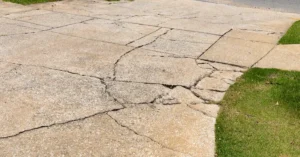
While concrete is renowned for its strength, standard residential driveways are designed for normal passenger cars and light trucks. Parking heavy construction equipment, fully loaded moving vans, or large commercial vehicles can place excessive stress on the surface, causing deep structural fractures.
Furthermore, protect your surface during seasonal changes by avoiding chemical deicers made with ammonium nitrate or ammonium sulfate. These compounds actively attack the binder inside the concrete mix. Instead, utilize clean sand or gravel to establish safe traction without risking surface deterioration.
Frequently Asked Questions
How often should I clean my concrete driveway
You should sweep away dirt and organic debris weekly, and perform a deep wash using a hose or mild pressure washer every six months to prevent surface stain buildup.
How frequently does a driveway need to be sealed
Most residential concrete driveways benefit from a fresh coat of sealer every 2 to 3 years, depending on local weather exposure and daily traffic volume.
What is the best way to clean oil stains from concrete
Absorb fresh oil immediately using baking soda or absorbent powder, then scrub the area using a specialized concrete degreaser and a stiff-bristle brush before rinsing thoroughly.
Can heavy vehicles damage my concrete surface
Yes, parking oversized trucks, RVs, or heavy construction equipment can exceed the load capacity of residential slabs, leading to cracks and structural stress.
When should I call a professional for driveway maintenance
If you notice widespread surface flaking, uneven settling, or water pooling underneath the foundation, contact the experts at Mouton Concrete Services for a professional evaluation and customized solutions.
Maintain Your Driveway with Professional Expertise
Taking a proactive approach to concrete driveway maintenance keeps your property looking sharp while saving you time and stress over the long run. With consistent cleaning, joint protection, and routine sealing, you can easily keep your concrete driveway looking new for years to come.
When you need expert guidance, custom concrete installation, or specialized surface treatments, trust the experienced professionals at Mouton Concrete Services. We are committed to delivering top-quality craftsmanship and long-lasting results for every project.
Phone: (409) 692-1638
Email: ammouton10@gmail.com