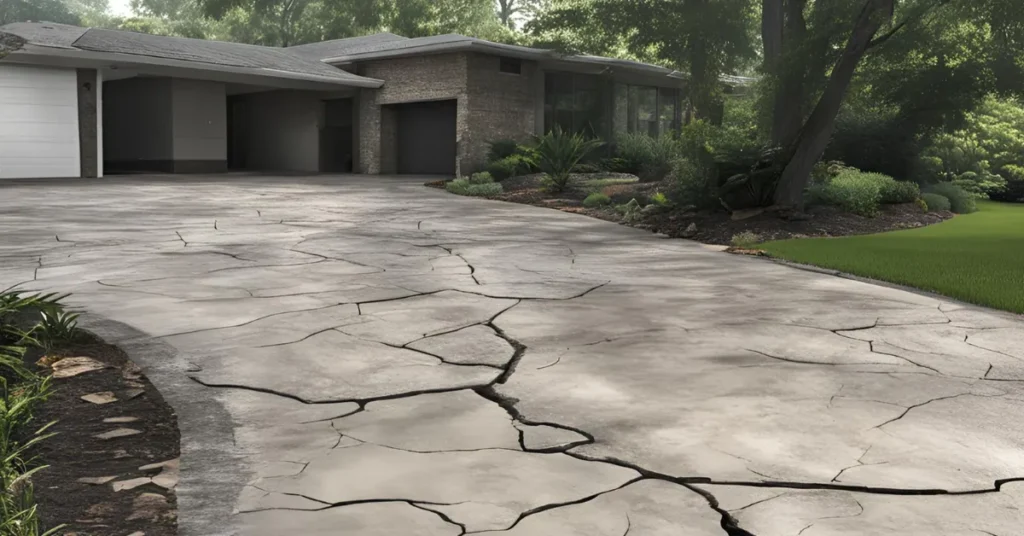
Summer brings long sunny days, outdoor barbecues, and warm evenings, but it also brings high thermal exposure that can silently wreak havoc on your home’s exterior surfaces. While homeowners often worry about freezing winter temperatures causing surface spalling, extreme heat poses just as serious a threat. If you’ve noticed new fissures or widening gaps across your driveway during the midsummer peak, you are not alone. Heat-related concrete driveway damage is a very real, widespread issue facing homeowners with a residential concrete driveway.
Understanding how rising ambient temperatures interact with heavy structural materials will help you protect your investment, catch minor warning signs early, and take proactive measures to maintain a smooth, durable surface year-round.
How Hot Weather Impacts Residential Concrete Driveways
Concrete is a dense, durable composite material made from aggregates, water, and Portland cement. However, despite its structural strength, it reacts directly to atmospheric changes. When subjected to high temperatures, two primary physical mechanics occur: thermal expansion and moisture evaporation.
Thermal Expansion and Structural Pressure
During intense summer heat, concrete absorbs and retains thermal energy. As the temperature of the slab elevates, the material undergoes thermal expansion it physically expands in volume. For residential concrete driveways, this expansion pushes the slab outward against surrounding structures, such as sidewalk curbing, garage foundations, or adjacent concrete panels.
When concrete has space to move typically provided by proper expansion joints this thermal shift passes without incident. However, if the expansion joints are clogged with debris, missing, or improperly spaced during the original build, the expanding concrete collides with immovable barriers. This internal lateral pressure builds until the concrete yields, resulting in severe concrete driveway expansion issues, surface buckling, or deep structural fracturing.
Thermal Shock and Rapid Temperature Drops
Direct exposure to scorching sunlight can raise surface temperatures on dark or dense concrete to well over 120°F. When a sudden afternoon rainstorm hits or when homeowners spray cold hose water over a baking slab, the rapid temperature drop causes thermal shock. The outer layer contracts rapidly while the lower sub-base remains hot and expanded. This unequal stress produces spiderweb-like surface cracks, known as crazing.
Pro Tip: Never wash down a scorching hot driveway with cold hose water in the heat of the afternoon. Allow the surface to cool naturally in the evening to avoid triggering thermal shock cracks.
The Critical Role of Proper Concrete Driveway Maintenance
Preventing high-temperature deterioration requires an active approach to care. Neglecting small stress lines during early summer can lead to extensive structural failure by autumn. Following a structured regimen for concrete driveway maintenance ensures your slab handles summer stress effortlessly.
Keep Expansion Joints Clear: Inspect the flexible joint seals between slabs and along perimeter walls. Remove dirt, gravel, or weeds that prevent joints from absorbing natural concrete movement.
Apply High-Performance Concrete Sealer: A quality penetrating sealer protects the slab from excessive moisture absorption and reduces surface heat absorption. Reapplying sealer every 2–3 years forms a protective barrier against weathering.
Fill Existing Cracks Immediately: If you already have a cracked concrete driveway, seal those fissures before heat causes them to expand further. Unsealed cracks allow water to infiltrate beneath the base, weakening structural support.
Manage Heavy Load Placement: High heat makes concrete slightly more susceptible to surface abrasion and pressure strain. Avoid parking heavy trucks, motorhomes, or construction equipment on hot driveways for extended periods.
Implementing consistent concrete driveway protection strategies early in the season drastically reduces the likelihood of structural breakdowns and extends the total lifespan of your pavement.
When Should You Repair vs. Replace Your Driveway?
When heat damage occurs, determining the right response depends on the depth, extent, and cause of the fracturing.
Minor Surface Repairs
Hairline fractures, minor edge chipping, or isolated surface crazing can usually be resolved through localized repair and flexible caulking. If your driveway remains structurally sound beneath, targeted maintenance can restore aesthetics and prevent future expansion.
Full Concrete Driveway Replacement
If your slab exhibits severe buckling, extensive deep-set fracturing, or widespread settling caused by sub-base failure, temporary patches will fail under intense summer heat. In such cases, undertaking a complete concrete driveway replacement is the most cost-effective long-term solution.
A fresh, modern installation guarantees proper sub-grade compaction, accurate concrete mix ratios tailored for thermal variance, and modern expansion joint placement that safeguards your home for decades.
Why Professional Quality Installation Matters
Whether you are planning a new concrete driveway installation or repairing severe summer damage, working with an experienced, licensed concrete contractor is essential. Proper curing techniques, precise water-to-cement ratios, correct control joint layout, and optimal sub-base preparation directly determine how well your slab handles severe heat cycles.
At Mouton Concrete Services, we specialize in high-durability residential concrete solutions designed to withstand extreme thermal fluctuations. Our experienced team ensures that every project from small crack repairs to full custom driveway replacements is built with top-tier materials and superior craftsmanship.
By partnering with Mouton Concrete Services, you get personalized guidance, premium concrete mix designs, and expert installation tailored to your property’s specific soil and climate conditions.
Frequently Asked Questions
Can hot summer weather cause brand-new concrete to crack?
Yes. New concrete loses moisture quickly in hot weather. If the surface dries faster than the underlying base during curing, shrinkage cracks will develop. Professional placement and proper wet-curing compounds are essential to prevent this.
How hot does it need to be for a concrete driveway to expand?
Concrete expands continuously as ambient and surface temperatures rise. Sustained temperatures over 85°F to 90°F can cause significant thermal expansion, building high internal pressure if adequate expansion joints are not in place.
How can I protect my concrete driveway during intense summer heat waves?
Apply a high-quality penetrating sealer, clear all expansion joints of dirt and rocks, avoid placing ultra-heavy vehicles on the surface during peak heat hours, and address hairline cracks immediately before hot weather worsens them.
What is the difference between a control joint and an expansion joint?
Control joints are planned grooves cut into concrete to control where shrinkage cracks occur. Expansion joints contain flexible, compressible material placed between concrete slabs or structures to absorb heat expansion and prevent buckling.
Who should I contact for expert concrete repairs or driveway replacements?
For professional evaluation, custom installations, and durable repairs, trust the specialists at Mouton Concrete Services. Our team provides reliable solutions engineered to handle hot weather and heavy usage.
Protect Your Driveway with Mouton Concrete Services
Don’t let hot weather compromise the beauty and structural integrity of your property. Reach out to Mouton Concrete Services today for expert advice, comprehensive driveway inspections, and top-tier installation services.
Phone: (409) 692-1638
Email: ammouton10@gmail.com