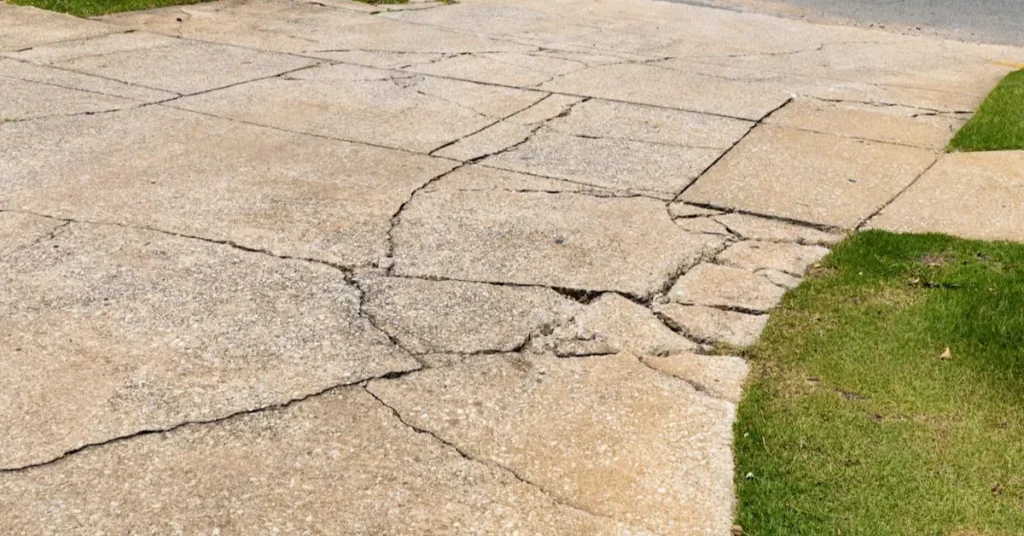
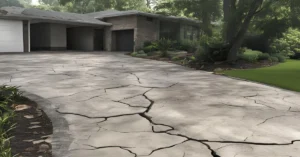
An uneven driveway can be more than an eyesore. Raised sections, sunken areas, cracks, and sloped spots can make parking difficult and create tripping hazards around your property. When you notice these issues, understanding the cause is the first step toward finding the right solution. Uneven driveway repair may involve correcting drainage, addressing soil problems, removing damaged concrete, or installing a new driveway when the existing surface has reached the end of its useful life. In some cases, uneven concrete driveway repair can address localized damage without replacing the entire driveway.
For homeowners in Santa Fe, League City, Friendswood, Galveston, Texas City, and nearby areas, local soil and weather conditions can contribute to concrete movement over time. Mouton Concrete Services helps homeowners address driveway concerns by identifying the condition of the existing concrete and determining the most practical option for the property.
Why Do Concrete Driveways Become Uneven?
Concrete is a strong and durable material, but the surface depends heavily on what is underneath it. A driveway can remain attractive for years when the ground is properly prepared and water is directed away from the slab. Problems can develop when the soil shifts, water washes away the base, or the original installation does not provide adequate support.
Several factors can cause a concrete driveway to become uneven. Some problems develop slowly and may not be noticeable until one section has dropped significantly. Others can appear after heavy rainfall, drainage changes, or soil movement.
Poor Soil Preparation
One of the most common causes of concrete driveway problems is inadequate soil preparation. Before concrete is poured, the ground needs to be properly graded, compacted, and prepared to support the weight of the slab and vehicles using the driveway.
If the soil underneath the concrete was not compacted correctly, it can settle over time. As the ground loses support, parts of the driveway may drop while other sections remain in place. This can result in a concrete driveway sinking in certain areas.
Poor preparation can also become a problem when different types of soil are present beneath the driveway. Some areas may remain stable while others shift, creating an uneven surface.
Water and Drainage Problems
Water is another major factor behind driveway settlement. When water collects underneath or beside a concrete driveway, it can weaken the soil and wash away supporting material.
Poor drainage may cause water to remain near the driveway after heavy rain. Over time, this can contribute to erosion beneath the slab. Once the soil loses its ability to support the concrete, sections can begin to sink.
A driveway with standing water should not be ignored. Even if the concrete looks fine today, repeated exposure to moisture can create problems underneath the surface.
Soil Movement
Soil naturally moves as moisture levels change. Heavy rain can saturate the ground, while dry conditions can cause certain soils to shrink. Repeated changes may affect the support beneath a driveway.
When the soil moves unevenly, the concrete above it may also move. This is one reason homeowners can experience concrete driveway settling even when the original driveway appeared properly installed.
Soil movement may produce low spots, raised sections, cracks, or changes in the slope of the driveway.
Tree Roots
Trees near driveways can sometimes contribute to uneven concrete. As roots grow, they may push against the underside of a slab or alter the surrounding soil.
Large roots can create raised sections that make the driveway difficult to use. In other situations, root growth can affect drainage or cause soil movement around the slab.
If a driveway has become uneven near a mature tree, the surrounding area should be evaluated before deciding on a repair method.
Erosion Beneath the Concrete
Erosion can leave empty spaces underneath a driveway. Water moving through the soil can gradually carry away fine material and create unsupported areas beneath the concrete.
Once part of the driveway loses support, the slab can crack or drop under the weight of vehicles. This can lead to a sunken concrete driveway with noticeable height differences between sections.
Simply covering the damaged area may not solve the underlying problem. The supporting soil and drainage conditions need to be considered when planning driveway concrete repair.
How Can You Fix an Uneven Concrete Driveway?
The right solution depends on why the driveway became uneven and how severe the damage is. A small area with minor movement may require a different approach than a driveway with extensive settlement and multiple cracks.
Inspect the Entire Driveway
Start by looking at the complete driveway rather than focusing only on the lowest spot. Check for cracks, standing water, gaps along the edges, raised sections, and areas where the surface slopes differently.
It is also useful to determine whether the problem is getting worse. A driveway that continues to sink may require more attention than one that has remained stable for several years.
Address Drainage Issues
If water is contributing to the problem, improving drainage should be part of the solution. Water should have a clear path away from the driveway and surrounding structures.
Correct grading can help reduce standing water and limit the amount of moisture reaching the soil beneath the slab. Fixing drainage before replacing concrete can help reduce the risk of similar problems affecting the new surface.
Consider Concrete Leveling
In some situations, concrete driveway leveling may be an option. Leveling can restore a section that has settled when the concrete remains structurally sound enough for the selected method.
However, leveling is not appropriate for every driveway. Severely cracked concrete, major structural damage, unstable soil, or extensive settlement may require removal and replacement instead.
Repair Cracks and Damaged Areas
A cracked and uneven driveway should be evaluated before applying a simple surface repair. Small cracks may sometimes be addressed when the surrounding concrete remains stable.
Larger cracks, separated sections, or areas that continue to move can indicate deeper problems. Repairing only the visible crack without addressing the cause may lead to the same issue returning.
Replace Severely Damaged Concrete
When a driveway has extensive cracking, major settlement, broken sections, or serious drainage problems, replacement may be the better long term option.
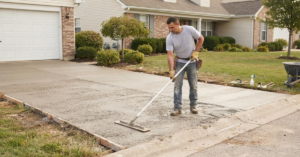
Concrete removal allows the damaged surface to be taken out so the underlying area can be properly prepared. A new driveway can then be installed with attention to grading, soil preparation, drainage, and slab support.
Mouton Concrete Services provides concrete driveway installation for homeowners who need a new surface after an existing driveway has become too damaged to repair effectively.
How Can You Prevent Future Driveway Problems?
Prevention starts before the concrete is poured. Proper site preparation, grading, drainage, and soil compaction all play important roles in driveway performance.
Keeping water from collecting around the slab can also help protect the supporting soil. Homeowners should pay attention to new cracks, low spots, or areas where water begins to pool.
It is also important to avoid ignoring small changes. A minor uneven area can become more noticeable when the underlying cause continues. Addressing drainage or soil problems early may help prevent more extensive concrete damage.
For homeowners dealing with a driveway slab sinking or repeated settlement, Mouton Concrete Services can help determine whether repair or replacement makes more sense for the property.
When Should You Replace an Uneven Driveway?
Not every uneven driveway needs complete replacement. The decision depends on the condition of the concrete, the amount of movement, the extent of cracking, and the condition of the supporting ground.
Replacement may make sense when several sections are badly damaged, the slab has significant settlement, cracks continue to expand, or previous repairs have not solved the problem.
If the concrete is still structurally sound and the issue is limited to a small area, a suitable repair may be possible. An experienced concrete contractor can assess the driveway and explain the available options.
Why Professional Assessment Matters
The visible damage is not always the actual source of a driveway problem. A low spot may be caused by erosion. A crack may be related to soil movement. Standing water may indicate a grading issue.
That is why it is important to look beyond the surface. Properly identifying the cause can help homeowners avoid spending money on a temporary fix that does not address the underlying problem.
Mouton Concrete Services works with homeowners throughout the local service area to address concrete driveway concerns and determine practical options based on the condition of the property.
Final Thoughts
An uneven driveway can develop for many reasons, including poor soil preparation, drainage problems, erosion, soil movement, tree roots, and natural settlement. Understanding the cause makes it easier to choose the right solution.
Uneven driveway repair can range from correcting drainage and addressing minor damage to leveling suitable sections or replacing severely damaged concrete. The best approach depends on the condition of the slab and the ground supporting it.
If your driveway has started sinking, cracking, or developing low spots, do not wait until the problem becomes harder to manage. Early evaluation can help you understand what is happening and what steps can protect your property.
Frequently Asked Questions
What causes a concrete driveway to become uneven?
Uneven driveways can result from poor soil compaction, soil movement, water erosion, drainage problems, tree roots, or settlement beneath the concrete. Different causes require different repair approaches.
Can a sinking concrete driveway be repaired?
In some cases, a sinking concrete driveway can be repaired or leveled if the slab remains structurally sound. Extensive cracking, major settlement, or unstable soil may make replacement a better option.
How do I know if my driveway needs replacement?
Replacement may be necessary when the driveway has extensive cracks, severely sunken sections, broken slabs, major drainage problems, or repeated damage after previous repairs.
Can drainage problems cause concrete driveway settling?
Yes. Poor drainage can allow water to collect beneath or beside the driveway. Water may weaken or wash away supporting soil, which can contribute to concrete driveway settling and sinking.
How can I prevent my concrete driveway from becoming uneven?
Proper soil preparation, good compaction, suitable grading, effective drainage, and quality concrete installation can help reduce the risk of settlement. Regularly addressing drainage and visible damage can also help.
Ready to Repair Your Uneven Driveway?
Do not let a sinking, cracked, or uneven driveway create bigger problems around your home. Mouton Concrete Services can help you determine the right option for your property, whether you need driveway concrete repair or a complete replacement. Contact Mouton Concrete Services at (409) 692-1638 to discuss how to repair your uneven driveway.