A concrete slab can look strong enough to handle almost anything, but water can create problems that are easy to overlook. When rainwater consistently collects near a slab or drains toward it instead of away from it, the surrounding soil can become saturated and unstable. Over time, these conditions may contribute to cracking, settlement, surface damage, and other issues that become more difficult to address. Understanding concrete slab drainage problems early can help homeowners protect their concrete and avoid unnecessary replacement costs.
Drainage is not simply about moving rainwater away from a yard. It also involves how the soil around a slab handles moisture, how the property is graded, and where runoff travels after a storm. Mouton Concrete Services works with homeowners on concrete projects where proper site conditions matter. Knowing how drainage affects concrete can help you recognize warning signs and make better decisions before installing or replacing a slab.
Why Drainage Matters Around a Concrete Slab
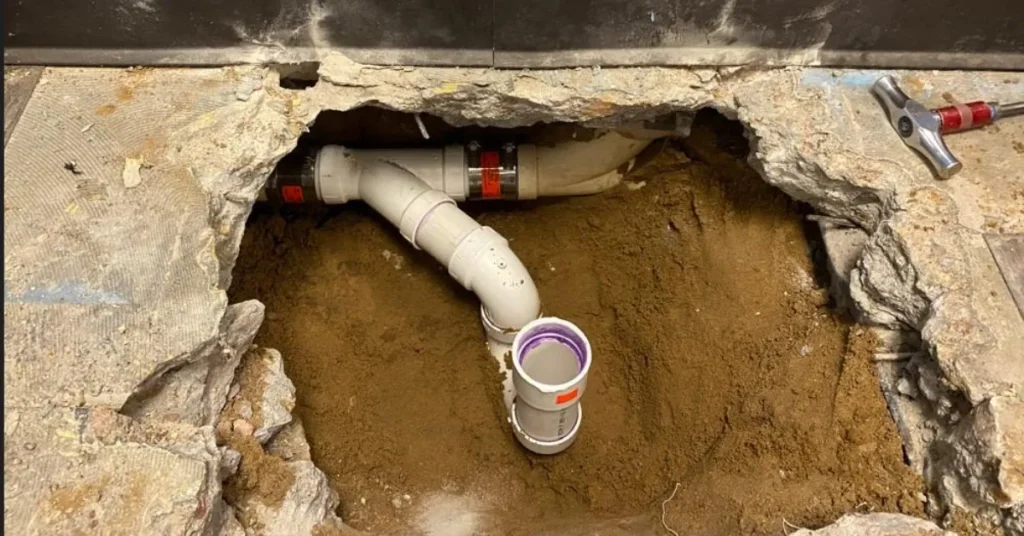
Concrete itself is durable, but the ground beneath and around it plays an important role in its long term performance. A slab depends on a stable base to remain level and properly supported. When water repeatedly saturates the soil beneath the concrete, the ground may lose some of its stability. In certain conditions, water can also wash fine soil away from areas beneath the slab, leaving unsupported sections.
This is why concrete slab water drainage should be considered before a new installation. Water should have a reasonable path away from the slab rather than collecting along its edges or flowing underneath it. Proper planning can reduce the likelihood of drainage related movement and help create a more stable surface for the finished concrete.
How Poor Drainage Can Affect the Soil Under Concrete
One of the biggest concerns with poor drainage under concrete is soil movement. When soil becomes repeatedly wet and then dries, its condition can change depending on the type of soil present. Some soils expand when they absorb water and shrink as they dry. Repeated movement can place stress on a concrete slab that is supposed to remain supported by a relatively stable base.
Water can also travel through weak areas in the soil and contribute to erosion. If runoff repeatedly moves beneath a slab or along one edge, it may gradually remove supporting material. This can create voids or uneven support below the concrete. Once the slab is no longer evenly supported, cracks or settlement may become more noticeable.
Signs of Concrete Slab Drainage Issues
Some concrete slab drainage issues are easy to spot after heavy rain. Water pooling around concrete slab edges is one of the most obvious warning signs. If puddles remain for a long time after rainfall, the property may not be draining efficiently. Water marks, muddy areas, soil erosion, or consistently damp ground near the slab can also indicate that runoff is not moving where it should.
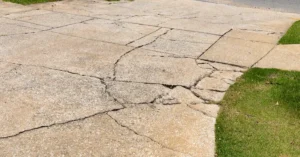
Cracks and uneven sections may also deserve attention, especially when they appear alongside drainage problems. A crack does not automatically mean drainage caused the damage, because concrete can crack for many reasons. However, when cracking, settlement, and persistent moisture appear together, it is worth looking at the surrounding drainage conditions instead of treating the concrete surface as an isolated problem.
The Connection Between Grading and Concrete Damage
Poor grading around concrete slab areas can direct water toward the concrete instead of away from it. Even a small difference in elevation can influence where rainwater travels. During a storm, water follows the easiest available path. If that path leads toward the slab, the edges may remain exposed to excess moisture again and again.
Correct grading does not mean creating an extreme slope. The goal is to encourage water to move away from the concrete and toward an appropriate drainage area. Before new concrete work begins, the surrounding ground should be evaluated so that the finished slab is not placed in a location where runoff naturally collects.
How Water Can Contribute to Concrete Slab Damage
Drainage and concrete slab damage are often connected through the conditions surrounding the concrete rather than water simply sitting on its surface. Repeated exposure to moisture can affect the soil supporting the slab, particularly when the water has nowhere to drain. In some situations, runoff can also carry soil away from the slab edges and gradually change the support conditions.
Concrete slab water damage can also become more noticeable when existing cracks allow moisture to reach deeper areas. Water entering through cracks does not necessarily mean the entire slab is failing, but persistent moisture can make an existing problem harder to manage. Addressing the source of the water is therefore an important part of understanding the overall condition of the concrete.
Why Drainage Should Be Considered Before Slab Installation
A new concrete slab should not be planned without considering the surrounding property. If the area regularly collects water, installing concrete without addressing the drainage conditions may create problems later. The slab could be exposed to unstable soil, standing water, or runoff that repeatedly reaches the same location.
Mouton Concrete Services can help homeowners consider the site conditions involved in concrete projects. Proper preparation, suitable grading, and attention to where water travels can make a meaningful difference before concrete is placed. Taking these factors into account at the beginning can help reduce avoidable complications after installation.
Ways Homeowners Can Reduce Drainage Problems
Start by observing the property during and after rainfall. Look for areas where water collects, channels where runoff travels, and places where soil appears to wash away. Check whether downspouts are sending large amounts of water toward the concrete. These observations can help identify drainage patterns that may not be obvious during dry weather.
Homeowners should also pay attention to changes over time. If a previously level area starts holding water, or if soil near the slab becomes increasingly soft or eroded, the drainage situation may be changing. Correcting water flow before installing new concrete can be easier than dealing with a slab after the surrounding soil has already become unstable.
When a Concrete Slab May Need Replacement
Not every drainage related concrete problem requires replacement. Small surface cracks, minor drainage concerns, and isolated issues may have different causes and solutions. However, extensive cracking, significant settlement, major uneven areas, or substantial loss of support may indicate that the existing slab is no longer providing the performance the property requires. In these situations, concrete demolition and removal may be needed before preparing the area for a new slab.
A new installation should begin with an understanding of why the previous concrete developed problems. If drainage contributed to the original issue, simply placing another slab in the same conditions may not solve the underlying concern. Reviewing the site, soil, grading, and water flow first can help create a better starting point for replacement work.
How Mouton Concrete Services Can Help
Concrete projects involve more than pouring and finishing the surface. Site conditions, drainage, grading, and the intended use of the slab all matter when planning residential concrete work. Mouton Concrete Services provides concrete slab and flat work services for homeowners in Santa Fe, League City, Friendswood, Galveston, Texas City, and surrounding areas of Galveston County.
If you are considering a new slab because an existing concrete area has become uneven, damaged, or unsuitable for its intended use, understanding the surrounding drainage conditions is a useful first step. Mouton Concrete Services can discuss the concrete work needed for your property and help you determine the appropriate direction for your project.
Frequently Asked Questions
Can poor drainage cause a concrete slab to crack?
Poor drainage can contribute to conditions that increase the risk of cracking. Saturated soil, erosion, and movement beneath the slab can reduce consistent support. However, cracking can have several causes, so the drainage conditions should be considered along with other site factors.
How can I tell if water is affecting my concrete slab?
Look for standing water, muddy soil, erosion, damp areas, settlement, or recurring puddles around the slab. Cracks or uneven sections that appear alongside these signs may indicate that water and soil conditions deserve closer attention.
Why is grading important for concrete slab drainage?
Grading helps control the direction of surface runoff. Poor grading around concrete slab areas can cause rainwater to move toward the concrete instead of away from it. Properly planned grading can help reduce unnecessary water exposure around the slab.
Should drainage be addressed before installing a new concrete slab?
Yes. Drainage should be considered before installation, particularly if the property has a history of standing water, soil erosion, or runoff problems. Addressing site conditions first can provide a more suitable base for the new concrete.
Does water damage always mean a concrete slab needs to be replaced?
No. Water related problems vary in severity, and not every issue requires replacement. The condition of the slab, the supporting soil, drainage patterns, and extent of movement should all be considered before deciding whether replacement is necessary.
Plan Your New Concrete Slab Installation
If drainage concerns have you planning a new concrete project, it is important to consider the ground and water flow before installation begins. Mouton Concrete Services can help with residential concrete work in Santa Fe and nearby Galveston County communities. Contact Mouton Concrete Services at (409) 692-1638 to discuss your project and request concrete slab installation for your property.