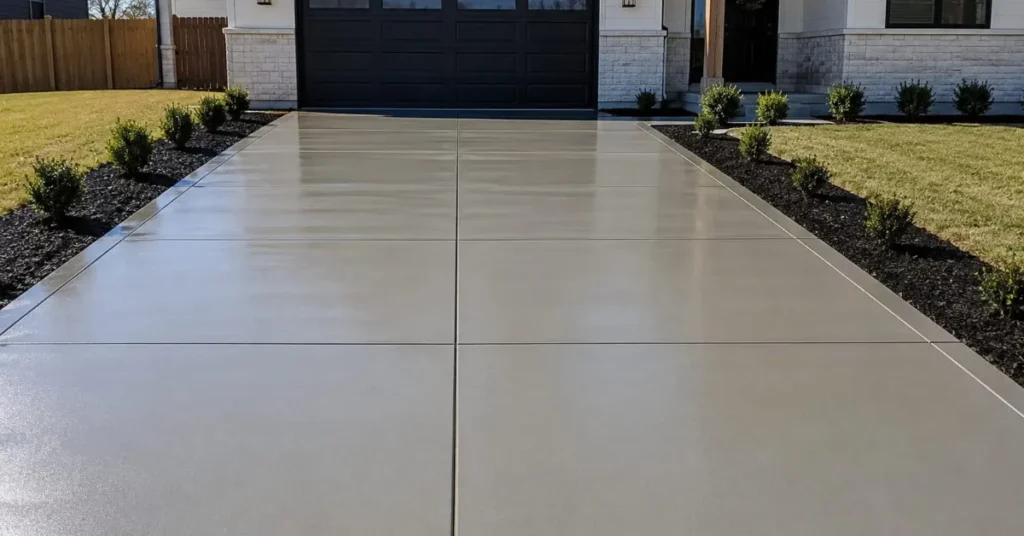
Understanding How Long Does Concrete Take to Cure is essential before driving onto a new concrete surface. Most residential concrete driveways need at least seven days before regular passenger vehicles can use them, although the exact waiting period depends on the concrete mix, weather, thickness, and contractor recommendations. For homeowners researching Concrete Driveway Curing Time in Kemah, TX, local humidity, summer heat, and changing weather conditions are important factors to consider. Concrete may look dry after a few hours, but its internal strength develops gradually. Giving the material enough time to harden and cure helps prevent surface damage, tire marks, and premature cracking. A little patience now can make a significant difference in how well your new concrete driveway performs for years.
How Long Does Concrete Take to Cure for Driving?
Understanding the Seven Day Rule
When asking how long concrete takes to cure, it helps to distinguish between initial hardening and achieving sufficient strength for vehicle traffic. Concrete commonly reaches approximately 70 percent of its specified compressive strength within seven days under suitable curing conditions. However, this is an estimate rather than a guarantee.
Light passenger vehicles can often use a properly constructed concrete driveway after seven days, provided the concrete has gained adequate strength and the contractor approves access. Heavier vehicles, delivery trucks, and recreational vehicles may require a longer waiting period.
The Importance of the Twenty Eight Day Mark
Concrete is commonly designed around its compressive strength at 28 days. This does not mean the surface remains unusable until that point. Instead, the concrete continues developing strength after the first week.
Following the recommended waiting period helps protect the surface while its internal structure develops. Always follow the contractor’s instructions rather than relying on appearance alone.
What Factors Affect Concrete Hardening Time?
Temperature and Humidity
Weather has a substantial effect on concrete hardening time. Warm conditions can accelerate the initial setting process, while excessive heat may cause moisture to evaporate too quickly. This can interfere with proper curing and increase the likelihood of surface cracking.
Cool weather generally slows strength development. High humidity can reduce evaporation, although the concrete still needs appropriate moisture management.
Concrete Mix and Slab Thickness
The cement content, water ratio, additives, and aggregate materials all influence how quickly concrete gains strength. A properly designed mix can develop strength efficiently without sacrificing long term durability.
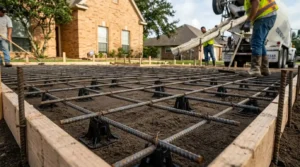
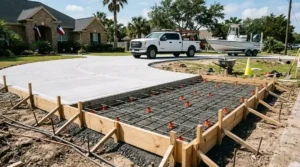
Slab thickness also matters because concrete must support the expected vehicle loads. A thicker slab may be appropriate for heavier vehicles, but thickness alone does not determine when driving is safe. Reinforcement, ground preparation, drainage, and the quality of installation also contribute to driveway concrete strength.
Proper Concrete Curing Methods for Better Strength
Keeping Concrete Moist
Proper concrete curing methods help concrete retain enough moisture for cement hydration, the chemical reaction responsible for strength development. Depending on the project and weather, contractors may use controlled water curing, suitable curing compounds, or protective coverings.
These methods help reduce premature moisture loss and support more consistent strength development. The appropriate approach depends on the mix, surface finish, and environmental conditions.
Protecting Fresh Concrete From Traffic
Fresh concrete needs protection from vehicles, concentrated loads, and unnecessary foot traffic. Even if the surface feels firm, its internal structure may not yet withstand pressure from tires.
Keep vehicles away until the recommended curing period has passed and the contractor confirms that access is appropriate. Avoid placing heavy equipment or loaded containers on the slab during early curing. Following these precautions helps preserve the finish and supports long lasting concrete performance.
How to Know When a Concrete Driveway Is Ready
Check the Recommended Waiting Period
The safest starting point is the schedule provided by your concrete contractor. For many residential projects, seven days is a common minimum for light vehicle access, while heavier loads may require additional time.
If temperatures have been unusually low or the concrete has experienced poor curing conditions, waiting longer may be necessary. Do not shorten the schedule simply because the surface looks solid.
Consider Vehicle Weight and Turning
A small passenger car places different demands on concrete than a loaded pickup truck or delivery vehicle. Turning wheels can also create concentrated stress, especially when the concrete is still gaining strength.
When access is approved, drive slowly and avoid sharp turns, sudden braking, and parking heavy vehicles in one place for extended periods during the early stage of use. These sensible habits help protect the surface as it continues to mature.
Concrete Driveway Maintenance for Long Term Durability
Protecting the Surface After Curing
Concrete driveway maintenance begins with simple habits. Keep the surface reasonably clean, remove standing water where possible, and monitor drainage around the edges. Water that repeatedly collects near the slab can affect the supporting ground over time.
Avoid exposing newly placed concrete to unnecessary loads before the recommended period has passed. Ask your contractor when sealing is appropriate, since the timing depends on the concrete’s condition and the selected product.
Preventing Premature Wear
Regularly inspect the surface for unusual cracking, flaking, or areas where water collects. Some minor shrinkage cracking can occur as concrete cures, but significant changes deserve professional assessment.
Good drainage, suitable slab thickness, proper installation, and consistent curing all contribute to durability. Taking care of the concrete early can help preserve its appearance and reduce avoidable maintenance expenses over the years.
Frequently Asked Questions
How long does concrete take to cure before driving a car on it?
Most residential concrete driveways need approximately seven days before a passenger car can drive on them. The exact timing depends on weather, mix design, slab thickness, and strength development. Always confirm the recommended waiting period with your contractor before allowing vehicle traffic.
Can I drive on concrete after three days?
Three day old concrete has begun developing strength, but it may not be ready for vehicle traffic. Driving too early can cause lasting surface damage or stress within the slab. Follow the contractor’s curing schedule and wait until vehicle access is specifically approved.
Does hot weather make concrete cure faster?
Hot weather can accelerate initial hardening, but rapid moisture loss may interfere with proper curing. Concrete needs sufficient moisture to develop strength effectively. Contractors may adjust curing practices during hot conditions to protect the surface and help achieve the intended concrete strength.
When does concrete reach its full strength?
Concrete commonly reaches its specified design strength at approximately 28 days under appropriate curing conditions. Strength continues developing beyond the first week. Actual performance depends on the mix, temperature, moisture, and installation quality, so the 28 day mark should be treated as a standard reference rather than an absolute limit.
How can I protect a new concrete driveway?
Keep vehicles off the surface for the recommended period, maintain suitable curing conditions, and prevent unnecessary heavy loads. Ensure water drains away appropriately and follow professional advice about sealing. These steps support strength development, help preserve the finish, and encourage dependable long term performance.
Conclusion
Knowing how long concrete takes to cure before driving on it helps homeowners protect their investment from the beginning. Although seven days is a common minimum for light passenger vehicles, the correct waiting period depends on weather, concrete mix, slab design, and actual strength development. Concrete continues gaining strength for weeks, making proper curing and careful early use essential.
For a durable concrete driveway, prioritize professional installation, suitable curing practices, and consistent maintenance rather than rushing to use the surface. If you are planning a new concrete project in Kemah, TX, Get Started With Mouton Concrete Services to discuss your project requirements and receive guidance on installation, curing time, and the right approach for dependable results.