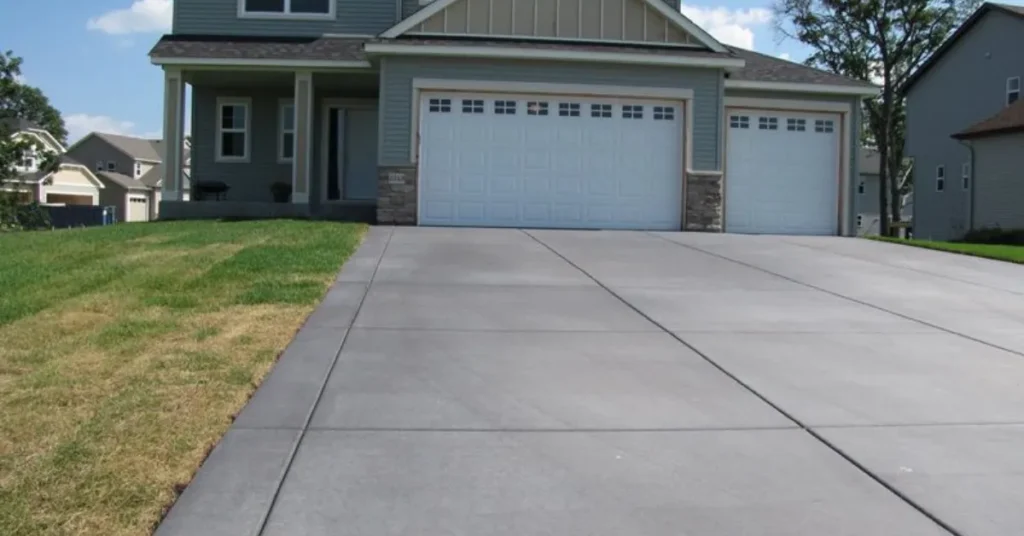
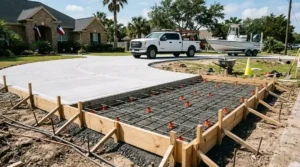
A concrete driveway is a long term investment that adds convenience, durability, and curb appeal to your property. Homeowners often wonder, How Long Does a Concrete Driveway Last before it begins showing signs of age. With quality materials, professional installation, and regular maintenance, a concrete surface can typically last 25 to 30 years or longer. Local weather, soil conditions, drainage, and vehicle weight all influence its lifespan. If you are considering other outdoor improvements, Concrete Patio Services in San Leon, TX can also help you create an attractive and functional outdoor living space. Understanding what keeps concrete in good condition allows you to protect your investment and enjoy a dependable surface for many years.
What Is the Average Lifespan of a Concrete Driveway?
A properly installed concrete driveway generally lasts between 25 and 30 years, although some surfaces remain functional for 40 years or more under favorable conditions. The actual lifespan depends on the concrete mix, installation methods, ground preparation, weather exposure, and maintenance routine.
Factors That Influence Longevity
Concrete strength starts with proper preparation. A stable, well compacted base helps distribute vehicle weight evenly and reduces the likelihood of uneven settling. The correct concrete mixture and suitable thickness also contribute to long term performance.
Climate matters, too. Repeated temperature changes, heavy rainfall, and standing water can gradually weaken a concrete surface. In warmer areas such as San Leon, Texas, intense sunlight and seasonal storms make drainage and surface care especially important.
What Homeowners Should Expect
When asking How Long Does a Concrete Driveway Last, remember that age alone does not determine its condition. A 20 year old surface may remain dependable, while a poorly installed concrete driveway might develop problems much sooner. Regular inspections help identify changes early and make maintenance easier to manage.
What Factors Affect Concrete Driveway Durability?
Several conditions determine how well a concrete driveway withstands everyday use. Understanding these influences helps homeowners make better decisions before installation and throughout the surface’s lifespan.
Installation Quality and Ground Preparation
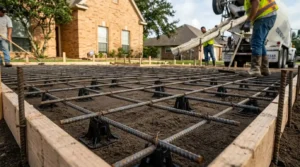
A durable concrete surface begins with properly prepared soil. Loose ground, inadequate compaction, and an unstable base can lead to settling and cracking. Experienced contractors evaluate the site, prepare the foundation, and select suitable concrete specifications for the intended use.
Concrete thickness should also match expected traffic. A surface designed for ordinary passenger vehicles may not perform as well under frequent heavy truck traffic.
Weather, Moisture, and Drainage
Water is one of the biggest concerns for concrete longevity. Poor drainage allows moisture to collect near the surface or beneath the slab, potentially contributing to deterioration. In colder climates, freezing water can create additional stress.
Although coastal Texas generally experiences milder winters, humidity, rainfall, and occasional severe storms still make effective drainage essential.
Vehicle Weight and Daily Use
Frequent heavy loads place additional pressure on concrete. Parking oversized vehicles in areas that were not designed to support them can accelerate surface deterioration. Avoiding excessive loads and keeping water away from the slab can help extend the useful life of your concrete driveway.
How Can You Maintain a Concrete Driveway?
Routine care is one of the simplest ways to protect your concrete driveway. You do not need an elaborate maintenance schedule. A few consistent habits can help preserve its appearance and structural performance.
Clean the Surface Regularly
Remove leaves, dirt, mud, and other debris before they accumulate. Wash away ordinary grime using water and a suitable concrete cleaner when necessary. Promptly clean oil and other automotive stains with products approved for concrete surfaces.
Avoid harsh chemicals that may damage the finish. A gentle cleaning routine keeps the surface looking attractive while making it easier to notice developing concerns.
Apply a Suitable Concrete Sealer
A quality concrete sealer can help limit moisture absorption and protect against certain stains. Depending on the product, exposure, and traffic, resealing may be appropriate every few years. Always follow the manufacturer’s instructions rather than relying on a fixed schedule.
Manage Water and Inspect Regularly
Check that rainwater drains away from the concrete driveway instead of collecting around its edges. Keep nearby drainage channels clear and pay attention to areas where water repeatedly pools.
Inspect the surface a few times each year, particularly after strong storms. Noticing small changes early can help prevent minor concerns from becoming more expensive problems.
What Are the Signs of an Aging Concrete Driveway?
Even well maintained concrete changes over time. Recognizing common warning signs helps homeowners determine when professional evaluation may be worthwhile.
Cracks and Uneven Sections
Small cracks can develop because of shrinkage, ground movement, temperature changes, or excessive loading. Some hairline cracks are cosmetic, while wider or growing cracks may indicate a more significant concern.
Uneven sections can suggest that the supporting soil has shifted or settled. Monitor noticeable changes and seek professional advice if the surface becomes unstable or creates a safety concern.
Surface Discoloration and Scaling
Fading, stains, and color variations are common as concrete ages. These changes do not necessarily mean the slab has reached the end of its useful life.
Scaling, where the upper surface begins flaking or breaking away, deserves closer attention. Moisture exposure, unsuitable materials, and poor installation practices can contribute to this condition.
When Should You Consider a New Installation?
If deterioration affects a large portion of the concrete driveway, a professional assessment can help determine whether extensive work or replacement makes more sense. The decision should consider the surface’s overall stability, drainage, age, and expected future use.
How Can You Extend Your Concrete Driveway’s Lifespan?
Extending the lifespan of concrete starts before the first vehicle reaches the finished surface. Careful planning and sensible everyday habits can make a noticeable difference.
Choose Experienced Concrete Professionals
Look for contractors who understand soil preparation, concrete thickness, drainage, joint placement, and proper curing. These details influence how well a concrete driveway performs over time.
Proper curing is especially important because concrete needs adequate time and moisture conditions to develop strength. Follow the contractor’s guidance about when the surface can accept foot traffic and vehicles.
Protect the Surface From Avoidable Stress
Avoid placing unusually heavy equipment on sections that were not designed to support it. Keep drainage paths clear, clean stains promptly, and use appropriate products for seasonal maintenance.
Expansion and control joints also deserve attention. These planned joints help manage concrete movement and encourage cracking to occur in designated locations.
Follow a Practical Maintenance Routine
A simple seasonal checklist can keep concrete care manageable:
• Inspect for cracks, uneven areas, and surface changes.
• Remove debris and clean stubborn stains appropriately.
• Check drainage after periods of heavy rainfall.
• Review the sealer’s condition and follow product recommendations.
• Arrange a professional evaluation if deterioration progresses.
When considering How Long Does a Concrete Driveway Last, remember that maintenance cannot eliminate every problem, but consistent care can help preserve usability and appearance for longer.
Frequently Asked Questions
How Long Does a Concrete Driveway Last on Average?
A concrete driveway typically lasts 25 to 30 years with quality installation and consistent maintenance. Some surfaces remain functional for 40 years or longer when soil conditions are stable, drainage works properly, and traffic stays within design limits. Climate and construction quality influence actual longevity.
Can Concrete Driveways Last More Than 30 Years?
Yes, a concrete driveway can last beyond 30 years when contractors prepare the base correctly, use suitable materials, and allow proper curing. Regular cleaning, appropriate sealing, effective drainage, and sensible vehicle loading can help maintain durability and extend its useful service life.
How Often Should a Concrete Driveway Be Sealed?
Many concrete sealers need reapplication every two to five years, although the appropriate interval depends on the product, weather exposure, and surface condition. Follow manufacturer recommendations and inspect the finish regularly. Proper sealing can reduce moisture absorption and staining, helping protect the concrete.
What Causes a Concrete Driveway to Crack?
Concrete driveway cracks can result from shrinkage, ground movement, poor soil compaction, temperature changes, excessive loads, or inadequate installation. Some small cracks are normal, but widening cracks and uneven sections deserve attention. Proper base preparation, joint placement, and drainage help reduce cracking risks.
Does Regular Maintenance Increase Concrete Driveway Lifespan?
Yes, regular concrete maintenance can help extend the surface’s useful life by limiting moisture exposure, reducing staining, and identifying developing problems early. Cleaning, suitable sealing, drainage management, and periodic inspections support long term durability. However, maintenance cannot fully compensate for poor installation or unstable ground.
Conclusion
A concrete driveway can provide decades of reliable service when it is installed correctly and maintained with care. Although 25 to 30 years is a common lifespan, the actual result depends on material quality, soil stability, weather exposure, drainage, vehicle loads, and regular upkeep. Homeowners who clean the surface, inspect it seasonally, and apply suitable concrete sealer when needed can help protect their investment.
Understanding How Long Does a Concrete Driveway Last makes it easier to plan maintenance, recognize signs of aging, and make informed decisions about your property’s outdoor surfaces. Quality workmanship from the beginning also helps reduce avoidable problems and supports long term performance. For professional guidance on your next concrete project, Call Mouton Concrete Services Today to discuss your needs and explore practical options for a durable, attractive concrete surface.