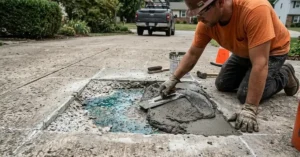
A well maintained home makes a strong first impression, and the exterior often shapes a buyer’s opinion before they even step inside. In Texas, where outdoor spaces and convenient parking matter to homeowners, investing in a New Concrete Driveway Texas property owners can enjoy may improve curb appeal and support long term property value. A residential concrete driveway provides a clean, practical surface for parking, welcoming visitors, and complementing the overall appearance of a house. However, the financial benefits depend on the neighborhood, the condition of the existing entrance, and the quality of the installation. Although a new concrete surface does not guarantee a specific increase in selling price, it can make a home more attractive to potential buyers while offering everyday convenience. Understanding these benefits can help Texas homeowners decide whether this exterior improvement is a worthwhile investment.
How a Residential Concrete Driveway Can Increase Home Value
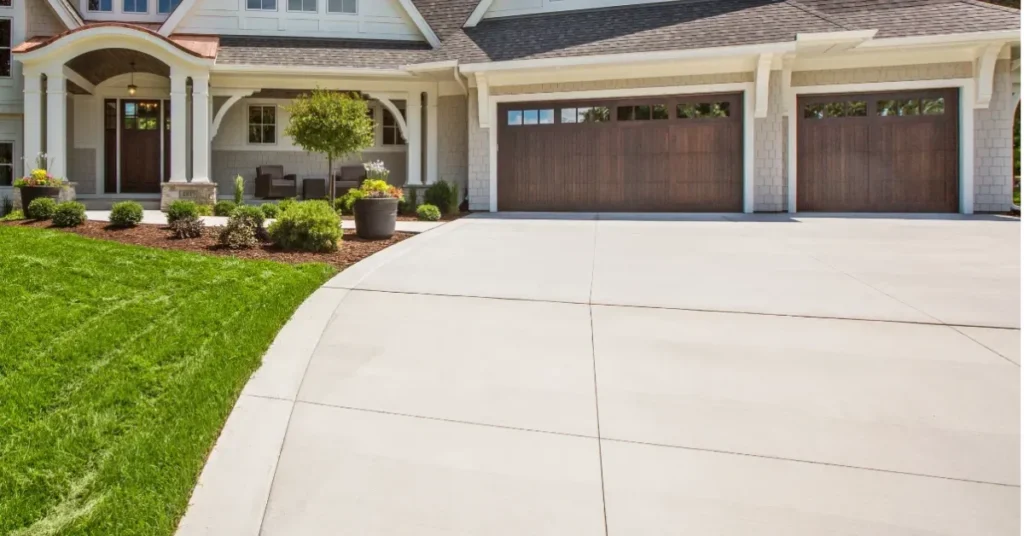
A residential concrete driveway can contribute to a property’s appeal by improving its appearance, functionality, and overall presentation. Buyers often notice the front entrance immediately, so a smooth, attractive parking area can help create a positive impression. When the exterior looks organized and well cared for, visitors may feel more confident about the property’s general upkeep.
First Impressions Matter to Homebuyers
Imagine two similar houses on the same street. One has a clean concrete surface with clearly defined edges, while the other has an uneven, stained entrance that looks neglected. Even if both homes offer similar interior features, the first property may appear more inviting.
This difference does not establish a guaranteed price premium, but it demonstrates why exterior improvements matter during a sale. A concrete driveway can complement landscaping, exterior paint, and the architectural style of a home.
Practical Benefits That Appeal to Buyers
Beyond appearance, homeowners benefit from a dependable parking surface that supports daily activities. Concrete offers a firm foundation for vehicles, reduces the need for loose surface materials, and can provide many years of service when installed correctly.
These practical advantages can make a property more appealing to families, professionals, and buyers who value convenient parking. The strongest results usually come when the driveway fits the home, serves its intended purpose, and matches the quality of the surrounding property.
Why Concrete Is a Popular Choice for Texas Homes
Texas weather presents several considerations when choosing materials for outdoor surfaces. Depending on the region, homeowners may experience intense summer sunshine, heavy rainfall, shifting soil, and occasional freezing temperatures. Selecting a suitable driveway material requires understanding these local conditions.
Durability in Changing Weather Conditions
Concrete is popular because it provides a solid, durable surface that can withstand regular vehicle traffic. Its performance depends on the concrete mixture, base preparation, drainage, reinforcement requirements, and curing practices.
In areas with expansive clay soil, including parts of North Texas, ground movement can place stress on concrete slabs. Proper site preparation and appropriate joint placement help accommodate expected movement and reduce the likelihood of uncontrolled cracking.
Managing Heat, Rain, and Drainage
Texas summers can be demanding, so the driveway’s orientation, surrounding shade, and surface finish deserve consideration. Concrete can become hot under direct sunlight, but its lighter color often reflects more sunlight than darker paving materials.
Drainage is equally important. Water should flow away from the home’s foundation rather than collect near the entrance. A properly designed residential concrete driveway can support effective drainage when its slope, elevation, and surrounding landscape are planned carefully.
Choosing experienced local professionals helps homeowners account for these environmental factors before construction begins.
What Factors Determine the Return on Your Investment?
The financial return from a new concrete driveway depends on several factors rather than a single statewide percentage. Property location, neighborhood expectations, construction expenses, and the condition of the original surface all influence whether the project makes financial sense.
Neighborhood Standards and Buyer Expectations
Consider a home in a neighborhood where most properties have attractive concrete parking areas. If one house has a visibly deteriorated entrance, updating it may help the property compete with nearby listings.
In a different neighborhood, where buyers prioritize interior renovations or larger outdoor spaces, the same investment might have less influence on the final selling price.
Local real estate agents can provide useful insight into which exterior features buyers value most in a particular market. Their knowledge of comparable homes can help you establish realistic expectations before committing to a project.
Installation Costs and Long Term Value
The cost of a concrete driveway varies according to its dimensions, thickness, site accessibility, preparation needs, reinforcement, finish, and local labor rates.
A larger parking area or a sloped entrance may require additional work. Decorative finishes can also increase the overall budget.
Rather than assuming that every dollar spent will return an equal amount at resale, compare contractor estimates with your home’s current market position. A practical investment should balance appearance, functionality, expected service life, and affordability.
How to Plan a Concrete Driveway That Adds Lasting Appeal
Thoughtful planning can improve both the appearance and performance of a new driveway. Before construction starts, consider how the entrance will look from the street, how vehicles will use the space, and how rainwater will move across the property.
Choose a Design That Complements Your Home
The driveway should look like a natural extension of the house rather than an unrelated addition. Clean edges, suitable dimensions, and a finish that complements the exterior can create a balanced appearance.
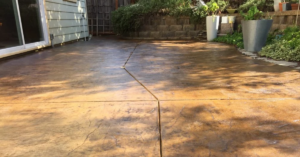
Homeowners may choose a traditional broom finish for traction or consider decorative options such as exposed aggregate or stamped concrete. The best choice depends on the home’s style, the available budget, and the desired maintenance routine.
A simple design can be attractive without unnecessary expense. In many cases, consistency with the property’s existing features creates a more appealing result than elaborate decoration.
Prioritize Professional Installation
Even attractive concrete can develop problems when the supporting ground is poorly prepared or water drains incorrectly. Professional planning should account for soil conditions, the intended vehicle loads, slab specifications, control joints, and curing.
Before hiring a contractor, request a written estimate describing the project dimensions, preparation work, concrete specifications, finish, and expected schedule. Ask how drainage will be managed and what site conditions could affect the final cost.
These conversations help establish clear expectations and make it easier to compare proposals. Good workmanship supports the driveway’s appearance and practical performance for years to come.
Maintaining Your Concrete Driveway in Texas
Regular maintenance helps preserve the appearance of concrete and supports its useful life. Texas homeowners do not need an elaborate routine, but a little attention can prevent common issues from becoming more noticeable over time.
Simple Maintenance Habits
Consider these practical steps:
- Sweep away leaves, dirt, and loose debris regularly.
- Wash surface stains with a suitable concrete cleaner and water.
- Avoid allowing standing water to collect near the house.
- Keep nearby drainage channels clear so rainwater can flow freely.
- Inspect visible joints and the surrounding ground periodically.
- Follow professional recommendations for an appropriate concrete sealer when needed.
Protecting Appearance and Resale Appeal
Oil marks, accumulated dirt, and neglected edges can make an otherwise attractive entrance look tired. Prompt cleaning helps maintain a neat appearance, particularly when preparing a home for photographs or prospective buyers.
It is also important to recognize that concrete can develop hairline cracks or discoloration over time. These changes do not automatically indicate a serious problem, but significant movement, uneven sections, or persistent drainage concerns deserve professional assessment.
With sensible care, a residential concrete driveway can remain an attractive and functional part of the property. Consistent maintenance also helps homeowners present the entire exterior as a space that receives regular attention.
Frequently Asked Questions
1. Does a new concrete driveway increase home value in Texas?
A new concrete driveway can improve curb appeal, provide convenient parking, and strengthen a home’s overall presentation. These benefits may support resale appeal, especially when the previous surface was unattractive or difficult to use. However, the actual financial return depends on local market conditions.
2. How long can a concrete driveway last in Texas?
A properly designed and installed concrete driveway can often last approximately 25 to 30 years or longer with suitable maintenance. Actual service life depends on soil movement, drainage, concrete quality, vehicle loads, installation practices, and weather exposure. Local conditions can significantly influence long term performance.
3. Is concrete better than asphalt for Texas homes?
Concrete is often chosen for its durability, clean appearance, and relatively low routine maintenance requirements. Asphalt may have a lower initial cost in some locations. The better option depends on the budget, climate, soil conditions, maintenance preferences, and appearance desired for the property.
4. What affects the cost of a residential concrete driveway?
Driveway dimensions, excavation requirements, soil conditions, concrete thickness, reinforcement, decorative finishes, and labor rates all influence project costs. Drainage improvements and difficult site access may increase expenses. Obtaining detailed estimates from qualified local contractors helps homeowners understand the proposed work and compare prices accurately.
5. Should I install a new concrete driveway before selling my home?
It may be worthwhile if the existing surface looks neglected, creates parking difficulties, or detracts from the property’s appearance. Compare the estimated project cost with neighborhood expectations and advice from a local real estate professional. Improving curb appeal can help attract buyers without guaranteeing a higher sale price.
Conclusion
A new concrete driveway can be a worthwhile investment for Texas homeowners who want to improve curb appeal, create a more practical parking area, and strengthen their property’s overall presentation. Its contribution to resale value depends on neighborhood expectations, installation quality, drainage, soil conditions, and the home’s existing features. Although no specific increase in market value is guaranteed, a well planned residential concrete driveway can make everyday life more convenient while helping a property look welcoming and well maintained. Before starting your project, establish a realistic budget, compare professional estimates, and choose a design that complements your home. For guidance on creating an attractive, durable concrete surface suited to your property’s needs, Visit Mouton Concrete Services to Learn More and explore the possibilities for your Texas home.