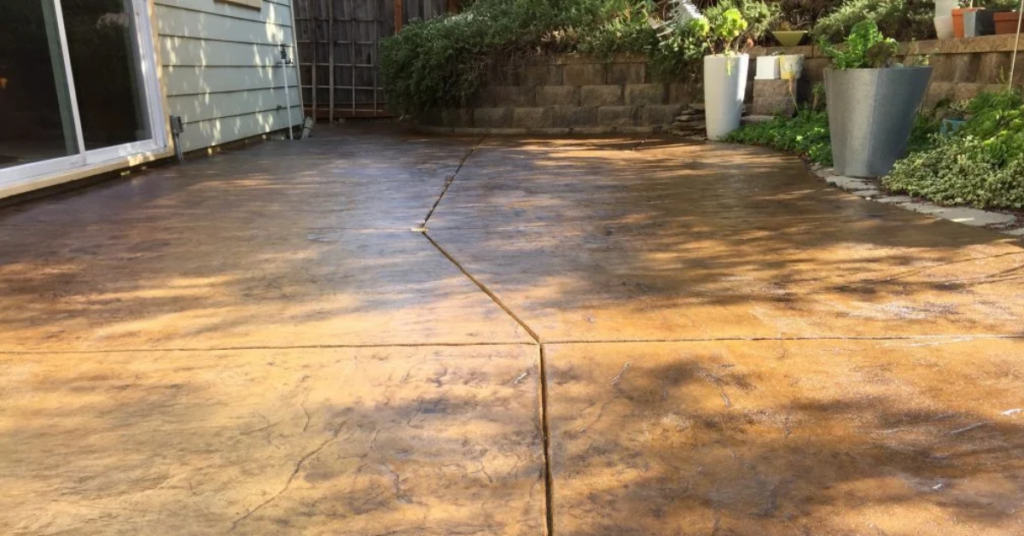
Stepping out into your backyard should feel like entering a peaceful retreat, yet a plain gray slab often kills the mood before you even sit down. Choosing a Decorative Stained Concrete Patio transforms that dull, lifeless surface into a rich focal point that looks like natural stone or warm slate. Many homeowners assume they must tear out existing flatwork to get an upscale outdoor lounge, which wastes both time and money. Fortunately, concrete coloring penetrates deep into porous masonry to create permanent, translucent tones that never peel or flake under harsh sunlight. Whether you host weekend barbecues or enjoy quiet morning coffee outside, a stained concrete patio gives your outdoor living space instant warmth and personality.
Why Homeowners Choose Concrete Staining Over Traditional Pavers
Installing natural flagstone or brick pavers involves heavy excavation, shifting sand bases, and endless weeds sprouting between joints every summer. A stained concrete patio eliminates those headaches by turning a solid, poured slab into a seamless work of art. Because the color reacts chemically or bonds deep within the pores, it resists UV fading and heavy foot traffic far better than surface paint.
Cost Efficiency and Long Term Value
Budgeting for a backyard makeover requires balancing upfront expenses with future upkeep. Decorative staining costs a fraction of imported travertine or custom stonework while delivering a remarkably similar visual texture. According to industry data from the Concrete Network, decorative coloring projects typically run between eight and fifteen dollars per square foot depending on design complexity. You save thousands on material delivery while boosting overall curb appeal.
Seamless Resistance to Weather and Weeds
Solid flatwork leaves zero gaps for moisture accumulation, ant hills, or stubborn grass blades to push through. When sealed properly, the smooth surface sheds rainwater effortlessly and stands strong against summer heat waves and winter frost cycles alike.
Comparing Acid Based and Water Based Concrete Stains
Selecting the right coloring formula determines whether your outdoor floor looks like weathered earth or vibrant modern stone. Understanding how each stain interacts with cement minerals helps you pick a finish that matches your home exterior.
Acid Based Chemical Stains for Earthy Variegation
Acid stains contain metallic salts that react directly with free lime inside cured concrete. This chemical reaction produces mottled, marbled hues in terracotta, warm walnut, tan, and soft blue green tones. Every slab reacts slightly differently based on its age and mineral makeup, meaning no two projects ever look identical. If you love organic stone variations that hide dirt naturally, acid staining delivers unmatched depth.
Water Based Acrylic Stains for Bold Color Control
Water based stains combine finely ground pigments with durable polymers to penetrate the concrete surface without triggering an unpredictable chemical reaction. They offer a massive palette ranging from subtle charcoal and sandstone to vibrant reds and deep espresso shades. Contractors often layer multiple water based colors using sprayers or sponges to mimic custom tile patterns and artistic borders.
Planning Your Backyard Color Palette and Finish Options
Walking outside to glare reflecting off bright white cement makes squinting an unavoidable part of sunny afternoons. Thoughtful color selection softens harsh light and ties your patio directly into existing landscaping, siding, and outdoor furniture.
Coordinating Colors with Exterior Home Features
Look at your brick trim, roof shingles, and backyard fencing before picking stain samples. Warm cedar tones and russet browns complement red brick homes beautifully, while cool slate grays and pewter shades pair effortlessly with modern stucco or painted siding. Testing a small sample patch in an inconspicuous corner lets you see how morning sun and evening shade shift the final hue.
Selecting Gloss, Satin, or Matte Sealers
Applying a high quality protective sealer locks in color vibrancy and shields the porous surface from barbecue grease and spilled drinks. A high gloss topcoat darkens the stain slightly and creates a wet, polished stone look that makes colors pop. Satin and matte sealers offer a softer, natural luster while preserving comfortable traction underfoot near pools or garden hoses.
Simple Routine Care to Keep Your Patio Looking Fresh
Maintaining a stained concrete patio takes minimal effort compared to scrubbing grout lines or oiling wooden decks every season. A few simple habits preserve the protective topcoat and keep your outdoor lounge ready for guests year round.
-
Sweep away fallen leaves, twigs, and grit weekly so organic tannins do not sit on damp concrete.
-
Wash the surface monthly using plain water, a soft bristle push broom, and a pH neutral household cleaner.
-
Avoid harsh bleach, ammonia, or acidic citrus cleaners that can gradually dull the protective sealer layer.
-
Place rubber or felt pads beneath heavy metal patio chairs and fire pits to prevent surface scratches.
-
Reapply a fresh coat of breathable concrete sealer every two to three years to maintain moisture resistance and color richness.
Frequently Asked Questions
How long does a stained concrete patio last outdoors?
With proper surface preparation and periodic resealing every few years, a stained concrete patio lasts for decades without peeling, flaking, or losing its rich natural stone appearance under daily sun and weather exposure.
Can you stain an older existing concrete patio slab?
Yes, contractors can clean, profile, and color older concrete slabs as long as the existing surface is structurally sound and free from thick paint coatings or heavy oil buildup that blocks stain penetration.
Does a stained concrete patio get slippery when wet?
High gloss sealers can feel slick after heavy rain, but mixing a fine clear grip additive into the final sealer coat creates reliable slip resistance while keeping the decorative finish looking smooth and attractive.
How long before we can put furniture back on the patio?
Most stained concrete patio projects allow light foot traffic within twenty four hours after sealing, though waiting forty eight to seventy two hours before placing heavy tables and grills prevents surface marks.
Will direct summer sunlight fade the concrete stain colors?
UV stable acid and water based concrete stains penetrate deep into the slab pores rather than sitting on top, allowing your stained concrete patio to resist fading through many summers of direct sunlight.
Transform Your Outdoor Living Space Today
Your backyard holds endless potential to become your favorite gathering spot for family dinners, birthday celebrations, and relaxing weekends. Upgrading a dull gray slab with rich, permanent color brings lasting beauty, effortless cleaning, and serious value to your property without the mess of tearing out existing concrete. Ready to turn your plain outdoor floor into a stunning backyard centerpiece? Get Professional Results with Mouton Concrete Services and let experienced local specialists bring lasting color, precision craftsmanship, and reliable protection to your stained concrete patio project.