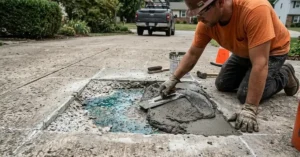
A concrete driveway is a long term investment that deserves regular attention to maintain its appearance and strength. Sunlight, rain, moisture, vehicle traffic, and everyday use can gradually affect its surface. Knowing how often to seal concrete driveway surfaces helps property owners protect their investment and avoid unnecessary deterioration. Whether you have recently completed a Concrete Driveway Installation project or have an older concrete surface, applying a suitable sealer at the right time can make a noticeable difference. Regular sealing helps reduce moisture absorption, limit staining, and preserve the finished appearance of concrete. However, sealing too frequently is not always beneficial. The right schedule depends on the concrete condition, sealer type, local weather, and amount of daily traffic.
How Often Should a Concrete Driveway Be Sealed?
Most concrete driveways benefit from resealing every two to five years. However, this is a general guideline rather than a fixed schedule. Some surfaces may need attention sooner because of heavy vehicle use, frequent rainfall, or exposure to intense sunlight. Others can maintain their protective finish for several years longer.
Understanding how often to seal concrete driveway surfaces starts with identifying the type of sealer previously applied. Acrylic sealers generally need more frequent applications, while penetrating sealers can provide longer lasting protection.
Factors That Affect Sealing Frequency
Several conditions influence how long a concrete sealer remains effective:
- Weather Exposure: Frequent rain, humidity, and strong sunlight can gradually affect the protective coating.
- Vehicle Traffic: Regular parking and movement place additional pressure on the concrete surface.
- Sealer Quality: Different products offer different levels of durability and moisture resistance.
- Surface Condition: Older concrete may absorb moisture differently from newly installed concrete.
Checking these conditions annually helps determine whether another sealing application is necessary.
Signs Your Concrete Driveway Needs Sealing
A concrete surface does not always need sealing simply because several years have passed. Visible changes can provide useful clues about its condition. Paying attention to these signs helps property owners decide when additional protection may be worthwhile.
Common Warning Signs to Watch For
One noticeable sign is increased water absorption. When rainwater quickly darkens the concrete instead of forming small droplets on the surface, the existing protection may be wearing away.
Other signs include:
- Water no longer beads on the concrete surface.
- Oil and other substances leave stains more easily.
- The surface looks dull compared to its original appearance.
- Areas exposed to sunlight appear noticeably faded.
- The concrete absorbs moisture more quickly after rainfall.
If you notice these changes, consider how often to seal concrete driveway surfaces based on their actual condition. Cleaning the area and checking the existing finish can help determine whether a fresh application is appropriate.
Benefits of Sealing a Concrete Driveway
Concrete sealing provides an additional layer of protection against everyday environmental exposure. Although concrete is a durable building material, it contains small pores that allow moisture and other substances to enter. A suitable sealer reduces this absorption and helps maintain the surface.
Better Moisture Protection
Water can gradually penetrate untreated concrete. During colder weather, repeated moisture exposure and temperature changes may contribute to surface deterioration. A quality concrete sealer helps limit water absorption and supports long term durability.
Reduced Staining and Easier Maintenance
Vehicle fluids, dirt, leaves, and other materials can leave marks on unprotected concrete. Sealing helps reduce how easily these substances penetrate the surface. This makes routine cleaning more manageable.
Improved Surface Appearance
Some sealers create a natural finish, while others provide a noticeable sheen. Depending on the product, sealing can help maintain the original concrete color and give the surface a cleaner appearance.
Understanding how often to seal concrete driveway surfaces allows homeowners to maintain these benefits without applying unnecessary layers of product.
What Happens If You Do Not Seal Concrete?
Leaving concrete unsealed does not mean it will immediately become damaged. Concrete is naturally strong, and many installations perform well without frequent protective treatments. However, an unsealed surface may become more vulnerable to moisture absorption, staining, and gradual weather related deterioration.
Increased Moisture Absorption
Rainwater can enter the small pores within concrete. Repeated exposure may contribute to surface changes, particularly when the material experiences significant temperature fluctuations.
More Visible Stains
Oil, dirt, and vehicle fluids can settle into porous concrete. Without a protective coating, these substances may become harder to remove through ordinary cleaning.
Gradual Surface Wear
Heavy traffic, sunlight, and environmental exposure can affect the appearance and condition of concrete over time. Regular maintenance helps property owners recognize these changes before they become more noticeable.
Knowing how often to seal concrete driveway surfaces is one part of responsible maintenance. Proper drainage, suitable cleaning methods, and avoiding harsh chemicals can also support the lifespan of a concrete installation.
Best Time to Seal a Concrete Driveway
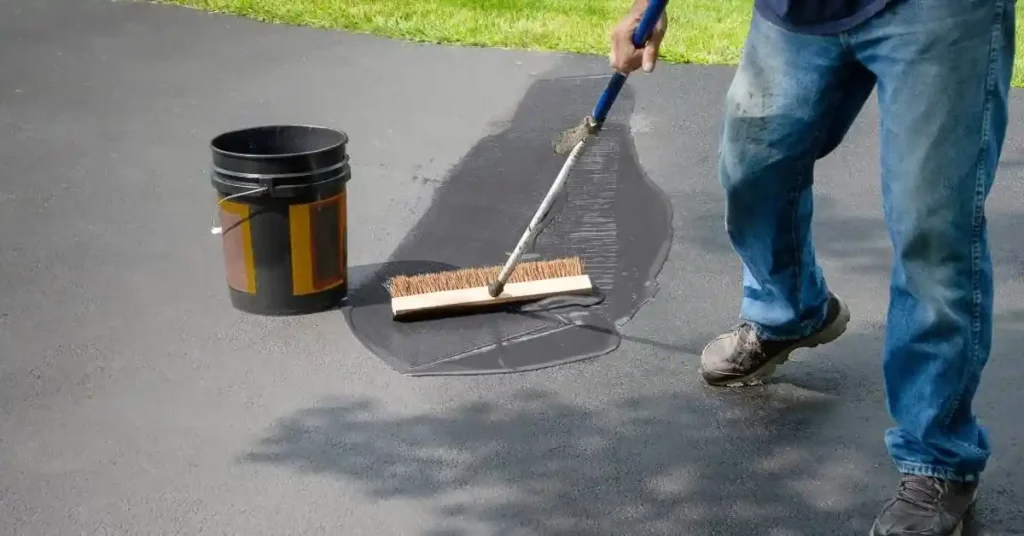
Choosing the right weather conditions is just as important as selecting a quality concrete sealer. Applying a product when the surface is too wet, extremely hot, or exposed to rain can affect how evenly it dries.
Choose Suitable Weather Conditions
Mild temperatures and dry weather generally provide favorable conditions for concrete sealing. Many products recommend temperatures between 50 and 90 degrees Fahrenheit, although the manufacturer’s instructions should always take priority.
Before applying a sealer, make sure the concrete is clean and sufficiently dry. Remove dirt, leaves, oil stains, and loose debris. Allow enough drying time after washing the surface.
Allow New Concrete to Cure
New concrete generally needs at least 28 days to cure before applying most sealers. However, certain products have different requirements, so always check the manufacturer’s recommendations.
Avoid sealing immediately after rainfall or when rain is expected during the product’s required drying period.
Knowing how often to seal concrete driveway surfaces and choosing suitable application conditions can help produce a more consistent finish. Following product instructions also reduces the risk of uneven coverage or trapped moisture.
Frequently Asked Questions
1. How often should a concrete driveway be sealed?
Most concrete driveways benefit from resealing every two to five years. The exact timing depends on weather exposure, vehicle traffic, sealer quality, and visible changes in the concrete surface.
2. Can I seal my concrete driveway every year?
Annual sealing is generally unnecessary for most concrete surfaces. Applying additional coats too frequently can create buildup, discoloration, or peeling. Check the existing finish and follow the product manufacturer’s recommendations.
3. How long should new concrete cure before sealing?
Most new concrete requires approximately 28 days of curing before traditional sealing products are applied. However, some specialized products have different requirements, so always follow the manufacturer’s instructions.
4. What happens if concrete is never sealed?
Unsealed concrete can still remain durable, but it may absorb more moisture, develop stubborn stains, and experience gradual surface deterioration. Regular maintenance helps reduce these risks.
5. What is the best weather for sealing concrete?
Dry weather with moderate temperatures is generally suitable for concrete sealing. Avoid applying sealer during rainfall, extreme heat, or when moisture remains on the surface.
Conclusion
Maintaining a concrete driveway involves more than occasional sweeping and washing. Regular inspections, proper cleaning, and timely sealing help preserve its appearance and protect it from moisture, stains, and everyday exposure. Understanding how often to seal concrete driveway surfaces makes it easier to choose an appropriate maintenance schedule based on actual conditions rather than guesswork.
For dependable concrete workmanship and professional guidance, Get Professional Results with Mouton Concrete Services. Whether you are planning a new concrete installation or improving an existing outdoor surface, taking the right steps can help you enjoy a durable and attractive result for years to come.