Concrete is one of the strongest and most widely used construction materials, but even durable concrete structures can eventually become damaged, outdated, or unsuitable for future needs. Cracked driveways, uneven slabs, deteriorating foundations, and old concrete surfaces often require careful removal before repairs, renovations, or new construction can begin.
Understanding how Concrete Demolition Services work helps property owners make better decisions, avoid unnecessary problems, and prepare their projects properly. A successful demolition process depends on the condition of the concrete, the right removal method, suitable equipment, and proper safety planning.
Professional Concrete Demolition & Removal Services focus on removing unwanted concrete safely while protecting surrounding structures and preparing the area for future improvements.
What Are Concrete Demolition Services?
Concrete demolition is the process of breaking, removing, and clearing existing concrete structures. These structures may include driveways, sidewalks, patios, slabs, foundations, retaining walls, and other concrete surfaces.
The process involves more than simply breaking concrete. A proper demolition approach requires evaluating the structure, identifying possible challenges, selecting suitable equipment, managing debris, and following safety procedures.
Different projects require different solutions. A small residential slab removal project may require different techniques compared to a large commercial concrete structure.
Why Does Concrete Need to Be Removed?
Concrete can last for many years, but several issues can make removal necessary.
Cracks and Structural Damage
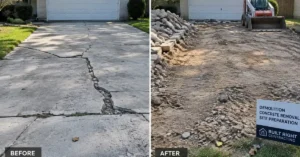
Concrete cracks can develop due to weather conditions, ground movement, heavy loads, or natural aging. While minor cracks may sometimes be repaired, extensive damage may require complete removal.
Ignoring serious concrete damage can lead to bigger problems, including uneven surfaces, water issues, and reduced usability.
Uneven Concrete Surfaces
Driveways, sidewalks, and patios can become uneven over time because of soil movement or settlement. Uneven concrete can affect appearance and create safety concerns.
Removing damaged sections allows the area to be properly prepared for a new and stable surface.
Remodeling and Property Improvements
Many renovation projects require old concrete to be removed before new construction can begin. This may include:
- Replacing an old driveway
- Expanding outdoor areas
- Installing new landscaping features
- Modifying existing structures
Preparing for New Construction
Before new buildings, additions, or other improvements can be started, existing concrete structures may need to be removed to create a clean and prepared work area.
Signs That Concrete May Need Removal
Knowing when concrete needs removal can help prevent unnecessary repairs and future issues.
Common signs include:
- Large cracks across the surface
- Multiple damaged areas
- Concrete pieces breaking apart
- Uneven or sunken sections
- Water collecting around damaged areas
- Concrete that no longer supports its intended purpose
A proper evaluation helps determine whether repairing the concrete is practical or whether complete removal is a better option.
Different Methods Used for Concrete Demolition
The method used for Concrete Demolition Services depends on factors such as concrete thickness, location, reinforcement, and project requirements.
Manual Concrete Demolition
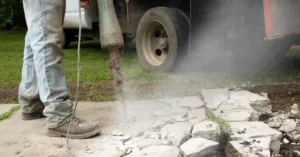
Manual demolition is commonly used for smaller areas where careful removal is required. Hand tools and smaller equipment provide better control in limited spaces.
This method may work well for:
- Small sidewalks
- Thin concrete slabs
- Small repair areas
Mechanical Concrete Demolition
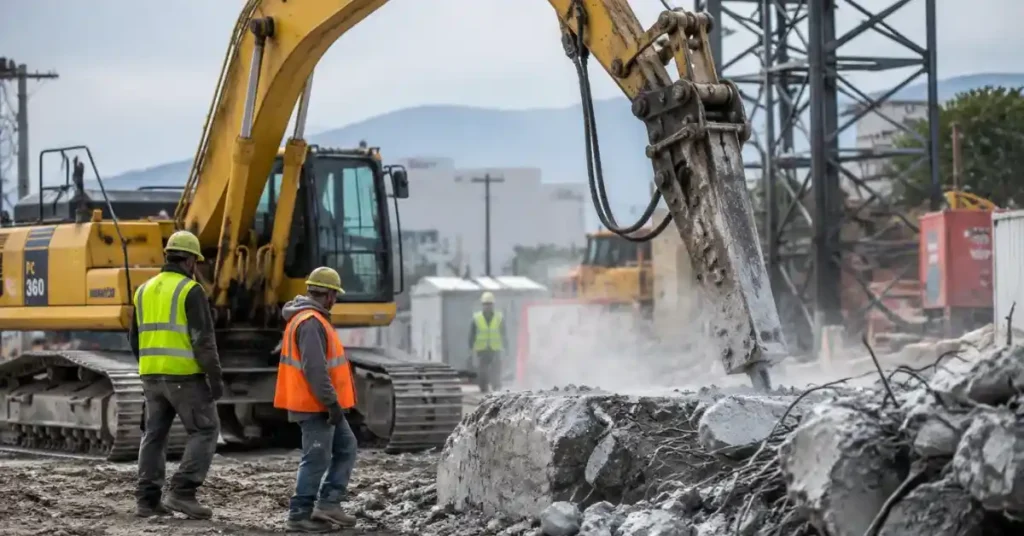
Mechanical demolition uses powerful equipment such as excavators, loaders, and hydraulic breakers to remove larger concrete structures.
This approach is commonly used for:
- Large driveways
- Foundations
- Commercial slabs
- Heavy concrete structures
Mechanical equipment allows large amounts of concrete to be removed more efficiently.
Selective Concrete Demolition
Selective demolition involves removing only specific sections of concrete while keeping surrounding structures protected.
This method is useful when:
- Only damaged areas require replacement
- Nearby structures must remain intact
- The project requires precise removal
Full Concrete Demolition
Full demolition involves completely removing a concrete structure, such as a driveway, foundation, slab, or large concrete surface.
These projects require careful planning because they often involve larger amounts of debris and heavier equipment.
Tools Used During Concrete Demolition
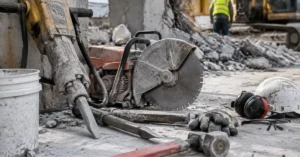
The right equipment plays an important role in completing demolition projects efficiently. Different tools are selected depending on the type and size of concrete being removed.
Common equipment includes:
- Jackhammers
- Concrete saws
- Excavators
- Hydraulic breakers
- Loaders
- Reinforcement cutting tools
Using suitable equipment improves control, reduces unnecessary damage, and helps complete the removal process safely.
Understanding the purpose of different concrete demolition tools can help explain why certain equipment is selected for specific projects.
Important Factors Before Starting Concrete Demolition
Before beginning any demolition project, several factors should be considered.
Concrete Thickness and Strength
Thicker concrete requires more powerful equipment and different removal techniques compared to thinner surfaces.
Reinforcement Materials
Many concrete structures contain steel reinforcement such as rebar. Identifying these materials helps determine the correct demolition approach.
Surrounding Areas
Nearby buildings, landscaping, utilities, and other structures should be considered to prevent unnecessary damage.
Site Access
Limited access areas may require smaller equipment or specialized methods to complete the work safely.
Common Mistakes During Concrete Removal
Poor planning can create delays, additional costs, and safety concerns.
Using Incorrect Equipment
Different concrete structures require different tools. Using unsuitable equipment can make the process slower and less effective.
Ignoring Hidden Obstacles
Concrete areas may contain reinforcement, underground utilities, or other hidden materials. Proper inspection helps prevent unexpected problems.
Poor Debris Planning
Concrete removal creates a large amount of debris. Proper cleanup and disposal planning are important parts of the process.
Safety Considerations During Concrete Demolition
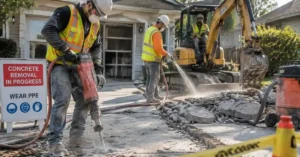
Safety is one of the most important parts of Concrete Demolition Services. Concrete removal involves heavy materials, powerful equipment, and potential hazards.
Important safety practices include:
- Inspecting the work area before starting
- Using proper protective equipment
- Controlling dust and debris
- Following safe equipment operation procedures
- Keeping unauthorized people away from the work area
Proper preparation helps reduce risks and keeps the demolition process organized.
What Happens After Concrete Removal?
After demolition, broken concrete pieces must be collected, removed, and properly handled. In many cases, concrete materials can be recycled and reused for other construction purposes.
A clean site allows the next stage of construction, repair, or renovation to begin without unnecessary delays.
Residential Concrete Demolition and Removal
Concrete removal is often required for residential properties when old, damaged, or unwanted structures need to be cleared before repairs, renovations, or new improvements.
Common residential demolition projects include:
- Concrete driveway removal
- Patio and walkway removal
- Sidewalk demolition
- Garage floor removal
- Concrete slab removal
- Foundation removal
- Pool deck removal
- Residential home demolition
- Old structure removal and site cleanup
The demolition approach depends on the size of the structure, material condition, accessibility, and the purpose of the project. Smaller concrete areas may require controlled removal methods, while complete home demolition requires careful planning, proper equipment, and safe debris management.
Choosing the Right Concrete Demolition Approach
The right Concrete Demolition Services approach depends on understanding the structure, selecting proper equipment, and planning each step carefully.
A well-planned demolition process helps reduce problems, improve safety, and create better results for future construction work.
Frequently Asked Questions
How long does concrete demolition take?
The timeline depends on the size of the project, concrete thickness, equipment needed, and site conditions. Small projects may take less time, while larger demolition projects require more preparation.
Can reinforced concrete be removed?
Yes. Reinforced concrete can be removed using specialized equipment designed to handle concrete and steel reinforcement materials.
Is demolished concrete recyclable?
In many cases, concrete debris can be recycled and reused for other construction applications.
Should damaged concrete always be replaced?
Not always. Some damage can be repaired, but severe deterioration may make removal and replacement a more practical solution.
Final Thoughts
Concrete demolition requires proper planning, suitable equipment, and safe working practices. Understanding the reasons behind concrete removal, available methods, and potential challenges helps property owners make informed decisions.
For professional guidance and reliable solutions, Mouton Concrete Services helps with concrete-related projects using proper planning and efficient techniques.
If you need assistance with your upcoming project, you can Contact Mouton Concrete Services for a Free Quote.