Tree Roots Lifting Driveway surfaces can create frustrating problems for homeowners, especially when cracks, uneven sections, and raised concrete begin affecting everyday access to the property. What starts as a small bump can eventually become a significant concern. Tree roots naturally spread beneath the ground while searching for moisture, nutrients, and space. When they encounter a concrete surface, their growth can gradually disturb the soil and push sections upward. Understanding the cause is essential before deciding what to do next. Homeowners considering Concrete Driveway Installation Shoreacres TX should also understand how tree placement, soil preparation, and proper installation influence long term surface performance.
Why Do Tree Roots Lift Concrete Driveways?
Trees provide shade, improve outdoor spaces, and make residential properties more attractive. However, their underground growth can sometimes create unexpected challenges for nearby concrete surfaces.
How Underground Root Growth Affects Concrete
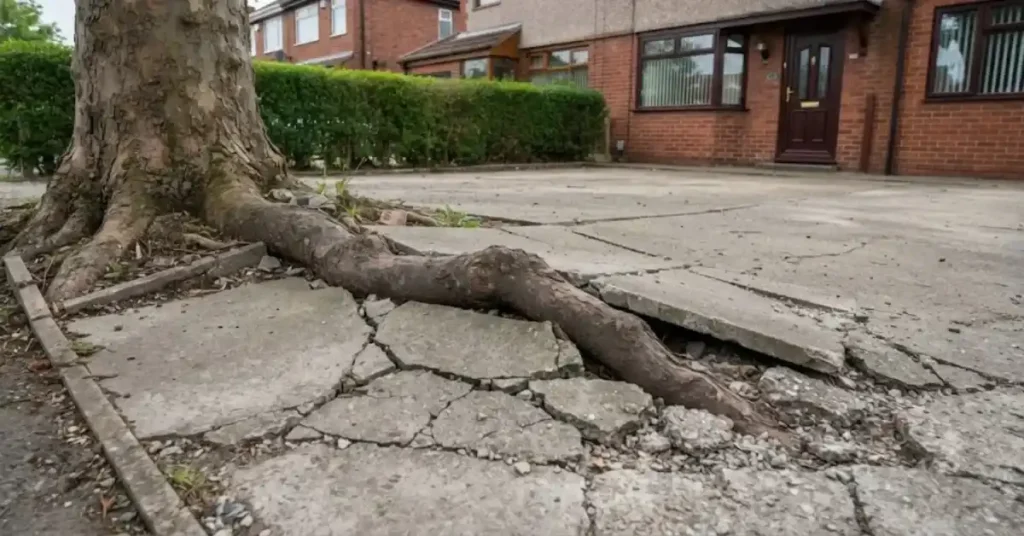
Tree roots naturally expand as a tree develops. They generally follow areas where water and oxygen are available. When roots grow beneath a concrete driveway, they can disturb the supporting soil and create pressure beneath certain sections.
The problem is not always caused by roots directly pushing against the concrete. Changes in soil conditions also contribute to movement. For example, roots may absorb moisture from surrounding soil, causing some areas to shrink or settle. Other sections may experience upward pressure as larger roots continue expanding.
Several factors influence the amount of damage:
- Tree species and mature root size.
- Distance between the tree and concrete.
- Soil composition and moisture levels.
- Age and thickness of the concrete.
- Quality of the original ground preparation.
Common Warning Signs Homeowners Should Notice
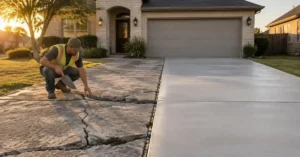
Raised edges, visible cracks, uneven concrete panels, and gaps between sections are common warning signs. Water may also collect in unexpected places because the original surface slope has changed.
Tree Roots Lifting Driveway sections should be assessed early rather than ignored. A small change in elevation can become more noticeable as roots continue developing and surrounding soil conditions change.
Should You Remove the Tree Roots or Keep the Tree?
Deciding what to do with troublesome roots requires careful consideration. Removing a tree is not always necessary, and cutting large roots without understanding their purpose can create additional problems.
Understanding the Risks of Root Removal
Tree roots provide structural support and help trees absorb essential moisture. Removing major roots can weaken a tree, affect its stability, or create long term health problems.
Before considering root removal, determine the tree species, approximate root size, and location of the affected area. A qualified arborist can evaluate whether particular roots can be safely managed without compromising the tree.
Homeowners should avoid cutting large roots simply because they appear beneath a raised concrete section. Some roots are essential for maintaining stability, particularly in mature trees.
When Keeping the Tree Makes More Sense
If the tree is healthy, provides valuable shade, and is not creating an immediate safety concern, preserving it may be the better choice.
Possible solutions include adjusting the affected concrete area, improving drainage, creating additional space around the trunk, or installing an appropriate root management system.
Tree Roots Lifting Driveway problems often require balancing two priorities: maintaining a safe walking and parking surface while protecting valuable landscaping. Making that decision carefully can prevent unnecessary expenses and environmental damage.
How to Fix Concrete Damage Caused by Tree Roots
Once the cause of the movement is understood, the next step is choosing a suitable solution. The right approach depends on the extent of the damage, the condition of the existing concrete, and whether the roots are still growing beneath the surface.
When a Small Concrete Section Can Be Restored
If the affected area has minor surface cracks or limited movement, addressing the surrounding conditions may help preserve much of the existing structure.
However, simply filling visible cracks will not correct the underlying problem if roots continue disturbing the supporting soil.
A professional assessment can determine whether a localized solution is practical. The evaluation should include the concrete thickness, soil stability, drainage conditions, and nearby root growth.
When Replacing the Damaged Area Is Better
Severely raised, broken, or unstable concrete may require removing and replacing the affected section.
This approach allows contractors to examine the ground underneath, identify root interference, and prepare a more suitable base before installing new concrete.
The process generally involves:
- Examining the damaged surface and surrounding ground.
- Identifying the roots responsible for movement.
- Determining whether roots can remain safely in place.
- Removing unsuitable concrete sections.
- Preparing and compacting the supporting soil.
- Installing new concrete with suitable thickness and drainage.
Tree Roots Lifting Driveway damage should never be addressed through surface improvements alone when the underlying support remains unstable.
How to Prevent Tree Roots From Damaging Your Concrete Driveway
Preventing future problems begins before construction, although existing properties can also benefit from thoughtful landscaping and maintenance decisions.
Choose Suitable Tree Locations
One of the most effective preventive measures is maintaining appropriate spacing between trees and concrete installations.
Consider the mature size of a tree rather than its current appearance. A small ornamental tree may eventually develop a much wider root system than homeowners initially expect.
Large trees generally need more room, while smaller species may be suitable for locations closer to paved areas. However, individual root behavior varies, so research the specific species before planting.
Install Root Barriers Where Appropriate
Root barriers are specially designed materials installed underground to guide root growth away from vulnerable areas.
When properly selected and positioned, they can help reduce the likelihood of roots reaching beneath concrete surfaces. Their effectiveness depends on installation depth, soil conditions, tree characteristics, and the available space.
Maintain Proper Drainage and Soil Conditions
Water management also plays an important role in protecting concrete.
Standing water, poor drainage, and changing soil moisture can contribute to movement beneath concrete slabs. Proper grading helps direct rainwater away from the surface and surrounding foundation areas.
Tree Roots Lifting Driveway concerns are easier to manage when homeowners combine sensible landscaping, suitable construction methods, and regular property inspections.
When Should You Choose Concrete Replacement?
Sometimes, preserving the existing surface is no longer practical. When several sections have become uneven, large cracks appear, or the supporting ground has changed significantly, replacement may offer a more dependable long term solution.
Signs That Replacement Is Necessary
Consider a complete or partial replacement when:
- Multiple concrete sections have significant elevation differences.
- Large cracks extend through the concrete.
- Several areas feel unstable under normal use.
- Water consistently collects because of surface movement.
- Previous improvements have not resolved the underlying issue.
A professional contractor can determine whether replacing one section is sufficient or whether a larger installation would provide better results.
What Makes a New Installation More Durable?
A successful concrete installation depends on more than the concrete mixture itself. Proper excavation, soil compaction, reinforcement where appropriate, suitable slab thickness, and carefully planned expansion joints all contribute to performance.
Contractors should also consider nearby trees and potential future root growth during the planning process.
Tree Roots Lifting Driveway issues can sometimes be reduced through better construction planning. Although no concrete surface is completely immune to ground movement, proper preparation and thoughtful landscaping can improve durability.
Frequently Asked Questions
1. Why are tree roots lifting my concrete driveway?
Tree roots can disturb the soil beneath concrete as they expand and absorb moisture. Changes in soil conditions may also cause uneven support, eventually creating raised sections, cracks, and noticeable surface movement.
2. Can tree roots damage a newly installed concrete driveway?
Yes, nearby tree roots can affect new concrete when growing conditions and installation planning are unsuitable. Proper ground preparation, appropriate spacing, and suitable root barriers can help reduce the likelihood of future problems.
3. Should I cut tree roots beneath concrete?
Cutting roots without professional assessment is not recommended. Large roots may provide essential tree support. An arborist can evaluate the root system and determine whether safe management options are available for your property.
4. Is replacing a lifted concrete driveway better than restoring it?
Replacement may be preferable when concrete sections are severely cracked, unstable, or extensively raised. Minor problems may allow localized improvements, but the underlying soil and root conditions should always receive attention first.
5. How can I prevent tree roots from lifting my concrete driveway?
Choose suitable tree planting locations, maintain proper drainage, consider professionally installed root barriers, and schedule regular inspections. Good construction preparation also helps create a more stable supporting surface over time.
Conclusion
Tree Roots Lifting Driveway surfaces can affect property safety, appearance, and everyday convenience. Fortunately, homeowners have several options depending on the severity of the damage and the condition of nearby trees. Sometimes, managing root growth and improving surrounding conditions is enough. In other situations, replacing damaged concrete sections provides a more dependable result.
The most important step is identifying the underlying cause before choosing a solution. Ignoring raised sections or covering visible cracks without addressing soil movement can lead to additional problems later.
For dependable concrete solutions and professional guidance, Mouton Concrete Services can help homeowners make informed decisions about their concrete projects. Whether you are planning a new installation or considering replacement of an uneven surface, investing in proper preparation and quality workmanship can make a meaningful difference. Take action early, evaluate your options, and create a concrete surface that supports your property’s safety, functionality, and long term appearance.