White, powdery marks on a brick wall can make an otherwise attractive exterior look neglected. These stains often appear after rainfall, during humid weather, or shortly after construction. Efflorescence on Brick is a common masonry condition that occurs when moisture carries dissolved salts to the surface. Property owners looking for dependable Concrete and Brick Repair in La Marque, TX should also understand what causes these deposits and how proper maintenance can help protect their exterior surfaces.
What Is Efflorescence on Brick?
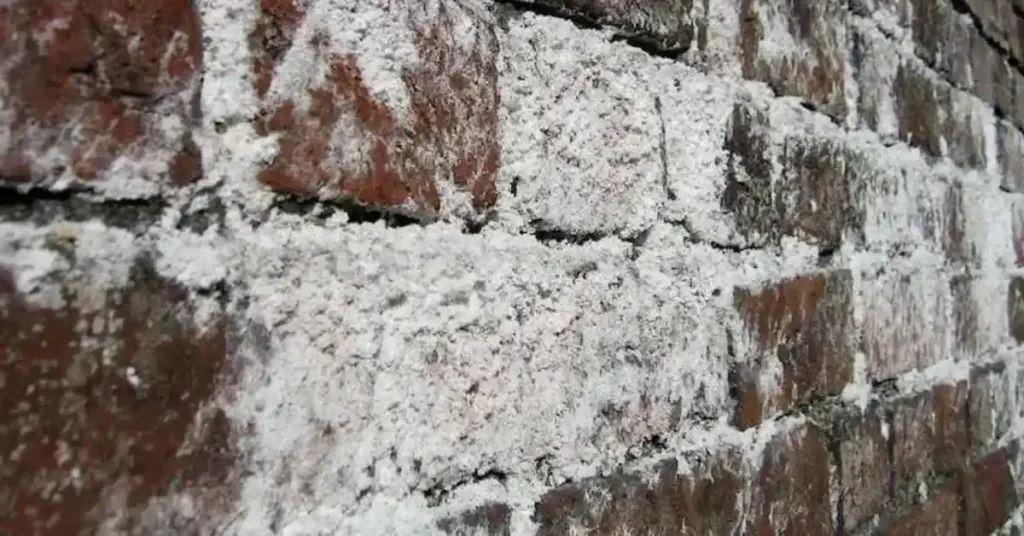
Efflorescence is a white, chalky or powdery deposit that develops when water soluble salts move through brickwork and remain on the surface after moisture evaporates. The deposits may look like fine dust, white crystals, or a thin layer of discoloration.
Why Do White Salt Deposits Appear?
Brick, mortar, sand, and other construction materials can contain naturally occurring soluble salts. When water enters these materials, it dissolves some of the salts and carries them toward the exposed surface. Once the water evaporates, the remaining minerals create visible white marks.
This process requires three basic conditions:
- Soluble salts must be present within the masonry.
- Moisture must dissolve and transport those salts.
- A pathway must allow the moisture to reach the surface.
Without these conditions working together, the deposits cannot develop. According to the Brick Industry Association, identifying moisture sources is an important part of controlling this condition.
Common Causes of Efflorescence on Brick
Understanding the source of moisture is essential when dealing with white stains. Simply removing the visible powder may not prevent it from returning.
Rainwater and Poor Drainage
Rainwater is one of the most common contributors. When water repeatedly enters brick surfaces, it can dissolve minerals and carry them toward the exterior. Clogged gutters, damaged downspouts, and poor drainage around a building can increase moisture exposure.
Groundwater and Soil Contact
Brick walls that touch damp soil may absorb groundwater through their lower sections. This moisture can travel upward through tiny pores, leaving salt deposits near the foundation or along exterior walls.
Moisture Trapped During Construction
Newly constructed brickwork often contains moisture from mortar mixing, installation, and exposure to rain. As the materials gradually dry, dissolved salts can migrate toward the surface. This temporary condition is sometimes called new building bloom.
Plumbing Leaks and Condensation
Leaking pipes, poorly sealed openings, and indoor condensation can introduce additional moisture into masonry. Repeated white staining in one particular area deserves attention because it may indicate an ongoing water entry problem.
How to Get Rid of Efflorescence on Brick
The appropriate cleaning method depends on the amount of buildup, the condition of the surface, and the source of moisture. Gentle methods are generally the best starting point.
Start With Dry Brushing
Allow the affected brickwork to dry completely. Use a stiff nylon or natural bristle brush to loosen the powdery deposits. Work gently across the surface and collect the fallen material instead of allowing it to settle near the wall.
Avoid wire brushes because they may scratch the brick face or leave unwanted metal marks.
Use Clean Water Carefully
Some mineral deposits can be removed with a lightly dampened sponge or controlled application of clean water. Avoid soaking the wall because excessive moisture may dissolve the salts and carry them deeper into the masonry.
Always test a small, less visible section before treating a larger area.
Be Careful With Chemical Cleaners
Acid based products and strong household chemicals can affect brick color, mortar joints, and surrounding materials. Pressure washing can also damage softer brick surfaces when excessive force is used.
For stubborn buildup, professional assessment is a sensible choice before applying specialized cleaning products.
Efflorescence on Bricks: How to Prevent It From Returning
Removing visible deposits is only part of maintaining attractive brickwork. Long term prevention requires controlling the amount of moisture entering the structure.
Improve Water Management
Keep gutters and downspouts clear so rainwater moves away from exterior walls. Check that surrounding ground slopes away from the foundation rather than allowing water to collect beside the building.
Inspect Exterior Surfaces Regularly
Look for damaged mortar joints, cracks, loose sealants, and openings around windows or doors. These areas can allow rainwater to enter and increase moisture movement through the wall.
Maintain Proper Drainage and Ventilation
Good drainage helps prevent groundwater accumulation around foundations. Adequate ventilation also reduces indoor humidity and condensation that may affect exterior masonry.
Choose Suitable Building Materials
Quality bricks, compatible mortar, and proper construction practices can reduce the potential for excessive moisture absorption. Protective wall details, including appropriate flashing and drainage arrangements, also help manage water movement.
When Should You Seek Professional Help?
Occasional white powder on newly installed brickwork is not necessarily a serious concern. However, recurring deposits deserve closer attention, particularly when they appear alongside other visible changes.
Warning Signs to Watch For
Consider professional evaluation when you notice:
- White streaks repeatedly appearing after rainfall.
- Damp patches that remain visible for extended periods.
- Crumbling or deteriorating mortar joints.
- Brick surfaces becoming flaky or rough.
- Water stains around windows, foundations, or wall openings.
Efflorescence on Brick is usually a cosmetic issue, but persistent moisture can contribute to other masonry concerns. Finding the source early can help prevent more extensive deterioration and unnecessary expenses.
Frequently Asked Questions
Is Efflorescence on Brick Harmful?
Usually, no. Surface salt deposits are generally cosmetic and do not affect the structural strength of sound brickwork. However, recurring moisture may indicate a separate problem that deserves professional attention.
How Long Does Efflorescence Last on Bricks?
Temporary deposits on new masonry may disappear naturally as the wall dries and weather gradually washes away the salts. Recurring stains can remain until the underlying moisture source is addressed.
Can Vinegar Remove White Stains From Brick?
Vinegar is not recommended as a general cleaning solution for brickwork. Acidic products may affect masonry materials and surrounding joints. Start with gentle dry brushing and seek professional advice for stubborn deposits.
How to Get Rid of Efflorescence on Brick Permanently?
There is no guaranteed permanent removal method if moisture continues entering the masonry. Identify the water source, improve drainage, allow surfaces to dry, and use suitable cleaning methods.
Does Rain Make Efflorescence Worse?
Repeated rainfall can introduce moisture into porous masonry, allowing soluble salts to move toward the surface. Proper drainage, maintained gutters, and suitable exterior detailing help reduce repeated moisture exposure.
Conclusion
White salt deposits may seem like a minor appearance issue, but understanding their cause is important for maintaining durable brickwork. Efflorescence on Brick often develops because of moisture movement, soluble minerals, and natural evaporation. Gentle cleaning, proper drainage, and regular inspections can help keep exterior surfaces looking their best. Addressing recurring moisture concerns early can also protect surrounding masonry and prevent more extensive deterioration.
Whether you are dealing with stained brickwork, damaged exterior surfaces, or a new concrete project, Mouton Concrete Services can help you plan your next project with practical workmanship and attention to detail. Contact the team to discuss your property’s needs and take the next step toward maintaining attractive, durable outdoor surfaces.