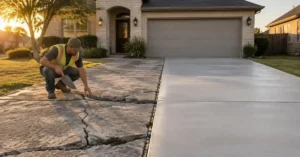
A backyard should feel like a place where you can relax, enjoy fresh air, and spend time with family. However, an old concrete surface can limit your options when you want to create a swimming pool, grow a green lawn, or design a more inviting outdoor space. Removing concrete patio surfaces can open up your backyard and give you greater freedom to plan a landscape that suits your lifestyle. Working with a qualified Concrete Patio Removal Contractor can help you understand the demolition process, prepare the ground, and plan the next stage of your outdoor project.
Why Remove an Existing Concrete Patio?
Concrete patios offer a practical outdoor surface, but your needs may change over time. Perhaps you bought a home with a large paved backyard and now want a swimming pool. Maybe your children would enjoy a grassy area, or you simply prefer a natural landscape with flowers, trees, and comfortable seating.
Removing concrete patio surfaces makes these changes possible by opening up space that was previously covered. It also allows you to evaluate the soil and drainage conditions before beginning new landscaping work.
Create Space for a Swimming Pool
A swimming pool requires careful planning, suitable access, and adequate room for the pool structure and surrounding area. Removing an existing patio can help create the space needed for excavation and construction. Before demolition begins, confirm the proposed pool location, utility routes, access requirements, and local permitting rules.
Make Room for a Beautiful Lawn
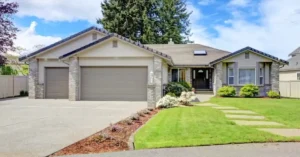
If you prefer a green backyard, removing an unwanted concrete slab allows you to prepare the ground for grass, planting beds, or other landscape features. The soil may need grading, additional topsoil, and preparation before seeding or installing turf. Planning these details early can help you achieve a more attractive and functional outdoor area.
How Concrete Patio Removal Works
Concrete demolition involves more than breaking a slab into smaller pieces. The appropriate method depends on the patio’s thickness, reinforcement, condition, location, and proximity to buildings or underground utilities. A professional assessment helps determine the equipment, labor, and disposal arrangements required for the project.
Assess the Existing Concrete
Before removing concrete patio sections, evaluate the surface and surrounding property. Older patios may contain steel reinforcement, while thicker slabs can require heavier equipment. Contractors should also consider nearby foundations, fences, drainage features, and landscaping that needs to remain undisturbed.
Knowing these details helps establish a suitable demolition plan and estimate.
Break Up and Remove the Slab
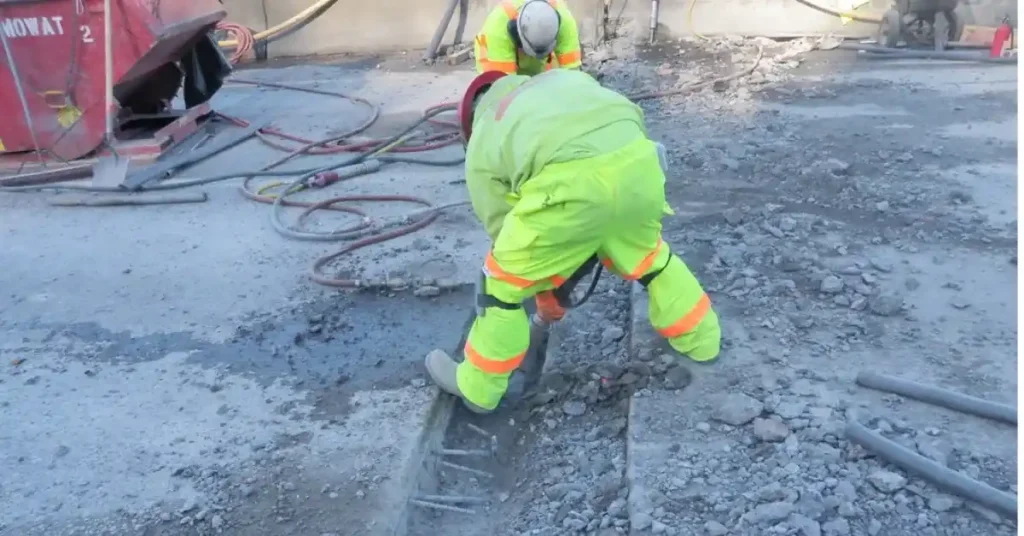
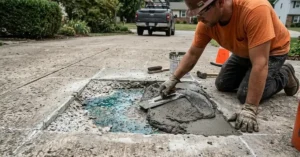
Concrete patio removal commonly involves specialized demolition equipment that breaks the slab into manageable pieces. Reinforcing materials may need separate handling, depending on the construction. The resulting debris is collected and transported for appropriate disposal or recycling when facilities accept the material.
Professional equipment and proper site controls help reduce unnecessary disruption to the surrounding property.
Prepare the Ground for Its Next Purpose
Once the concrete and debris have been removed, the exposed area can be evaluated for the next stage. A future pool may require excavation according to the pool design, while a lawn generally needs suitable soil, grading, and drainage.
Removing the slab is only one part of the transformation. Preparing the ground correctly helps ensure that the new space meets its intended purpose.
Planning Your Backyard Transformation
Good planning helps you avoid unnecessary expenses and makes the transition from concrete to a new outdoor feature more straightforward. Before scheduling demolition, decide how the available space will be used and identify any work that must happen afterward.
Planning for Pool Installation
If a swimming pool is your goal, consult your pool contractor before the existing patio is removed. The planned pool dimensions, excavation area, equipment location, access route, and surrounding deck should guide the demolition plan.
Underground utilities and drainage lines also deserve attention. Confirm their locations before excavation, and check applicable local permits and setback requirements. Coordinating demolition with pool construction can help prevent duplicated work and scheduling problems.
Preparing for Lawn Installation
A lawn needs more than uncovered ground. Once the concrete has been removed, assess the soil quality, slope, and drainage. Compacted soil may need loosening, and additional topsoil may be appropriate if the existing ground is unsuitable for grass.
Choose grass suited to your local climate, sunlight, and maintenance preferences. A well prepared base supports healthy growth and can help reduce standing water after rainfall.
Consider the Overall Landscape Design
You may want to combine a lawn or swimming pool with garden beds, stepping stones, shade trees, or a small seating area. Thinking about the entire backyard before demolition begins helps you determine which concrete sections should be removed and which existing features can remain.
A clear plan also helps contractors coordinate their work and protect the parts of your property you want to preserve.
What Affects the Cost of Concrete Patio Removal?
The cost of removing a concrete patio varies according to the size of the area, slab thickness, reinforcement, accessibility, equipment requirements, and debris disposal arrangements. A small patio with easy equipment access may require less work than a large reinforced slab located beside a building.
Patio Size and Concrete Thickness
Larger patios generally involve more demolition and debris handling. Thicker concrete or heavily reinforced sections can also increase the time and equipment needed to complete the work. An on site assessment helps establish the likely scope.
Site Access and Debris Disposal
Narrow gates, nearby structures, limited equipment access, and long debris transport routes can affect project costs. Disposal fees may depend on local facilities and the amount of material removed. Ask whether the estimate includes loading, hauling, disposal, and basic cleanup.
Additional Ground Preparation
After concrete patio removal, the ground may need grading, soil improvement, or preparation for pool excavation. These tasks can add to the overall project budget. Request separate details for demolition and subsequent landscaping so you can compare estimates clearly.
Related Concrete and Outdoor Preparation Tips
Once your patio has been removed, you can make several decisions that support the appearance and usability of your new backyard.
What About Paint on the Existing Patio?
If only the color or finish bothers you, removing the entire slab may not be necessary. For people researching how to remove paint off concrete patio surfaces, the appropriate method depends on the paint type, age, and condition of the concrete.
Some coatings may respond to a suitable concrete paint remover, while others require a different approach. Follow product instructions, use appropriate protective equipment, and prevent chemicals or wash water from entering storm drains. If a pool or lawn is the main goal, however, removing an unwanted slab may be more practical than treating its surface.
Think About Drainage Before Installing New Features
Water should flow away from buildings and toward appropriate drainage areas. After demolition, check whether the existing slope directs rainwater toward your house or leaves low spots where water collects.
Addressing grading before installing a lawn, pool, or garden can help prevent future problems. Pool projects should follow the drainage and structural requirements established by the pool designer and applicable local rules.
Choose Responsible Debris Management
Concrete debris can be heavy and difficult to transport. Depending on local recycling facilities, some material may be processed for reuse in suitable construction applications. Confirm disposal arrangements before work begins, particularly if the slab contains reinforcing steel or other materials that require separate handling.
Frequently Asked Questions
1. How long does removing concrete patio surfaces take?
The timeline depends on patio size, concrete thickness, reinforcement, equipment access, and debris removal. A small patio may take less time than a large slab. Ask your contractor for a schedule based on your property’s conditions.
2. Can I install a pool immediately after concrete patio removal?
Not necessarily. The area may require additional demolition, excavation, utility checks, and site preparation. Your pool contractor should evaluate the ground and confirm that the site meets the design requirements before construction proceeds.
3. Is concrete patio removal necessary to grow grass?
If an existing slab covers the entire intended lawn area, removing it is generally necessary. Afterward, prepare suitable soil, establish proper grading, and address drainage before planting grass or installing turf.
4. Can removed concrete be recycled?
In many areas, clean concrete can be taken to a recycling facility and processed into aggregate for suitable uses. Availability depends on local facilities, material condition, and acceptance requirements. Confirm recycling options before arranging disposal.
5. How do I remove paint off concrete patio surfaces?
The appropriate method depends on the paint and concrete condition. A compatible remover or mechanical method may work, but follow safety instructions and protect nearby plants, soil, and drains from contaminated runoff.
Conclusion
Transforming a paved backyard into a refreshing lawn or inviting swimming pool area begins with a clear plan. Removing concrete patio surfaces can create valuable space for landscaping, outdoor recreation, and a layout that better suits your family’s needs. By considering demolition requirements, debris disposal, ground preparation, drainage, and the design of your future outdoor space, you can make informed decisions at every stage.
For professional guidance on your upcoming project, Reach Out to Mouton Concrete Services Today to discuss your concrete removal requirements and explore the next steps toward creating a more useful backyard.